
The school that dared to dream
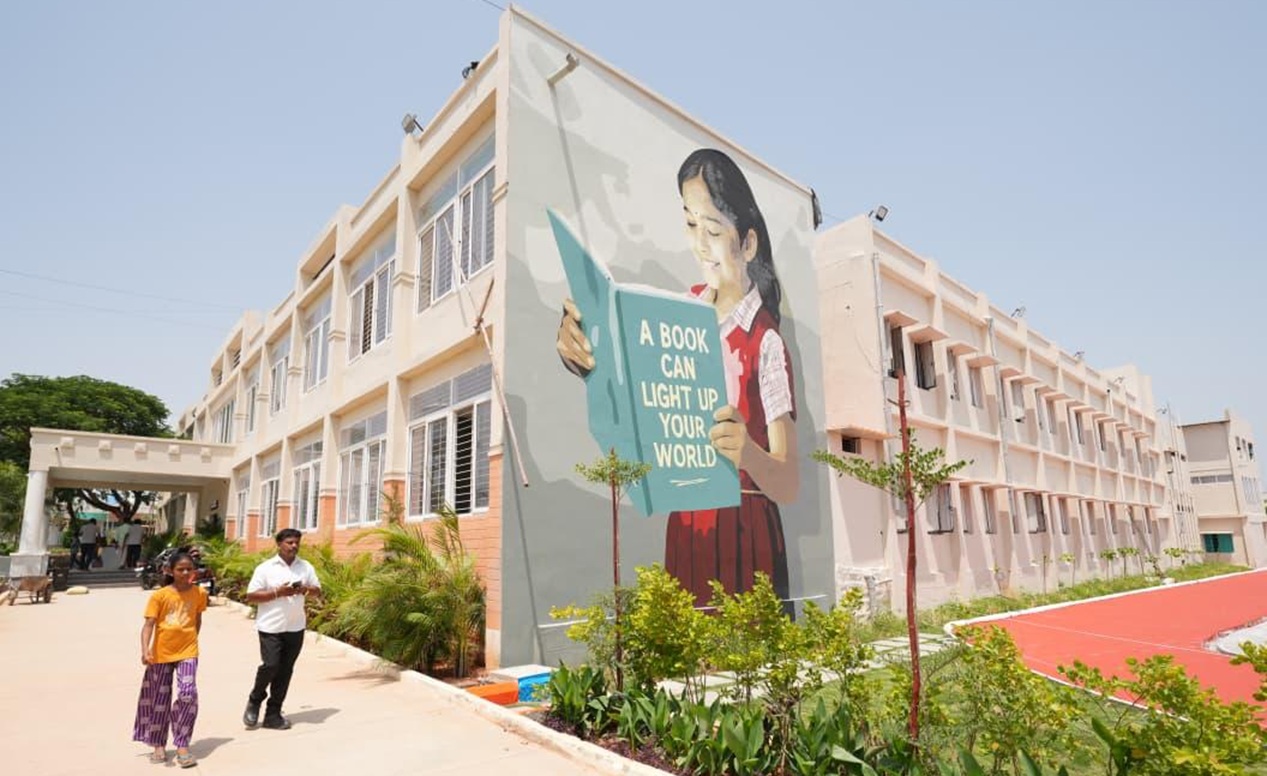
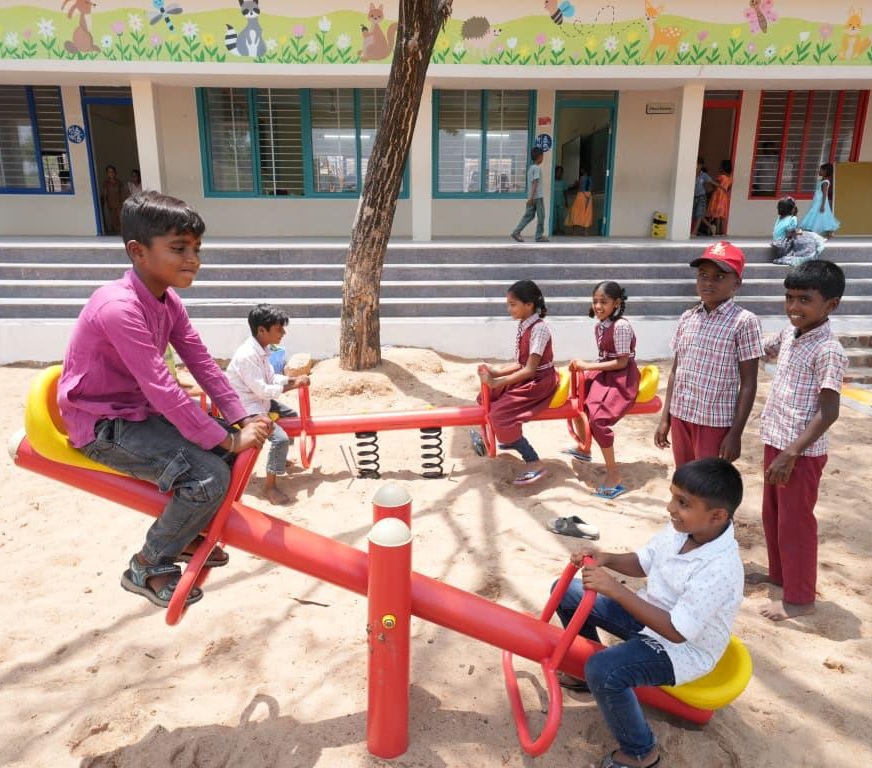
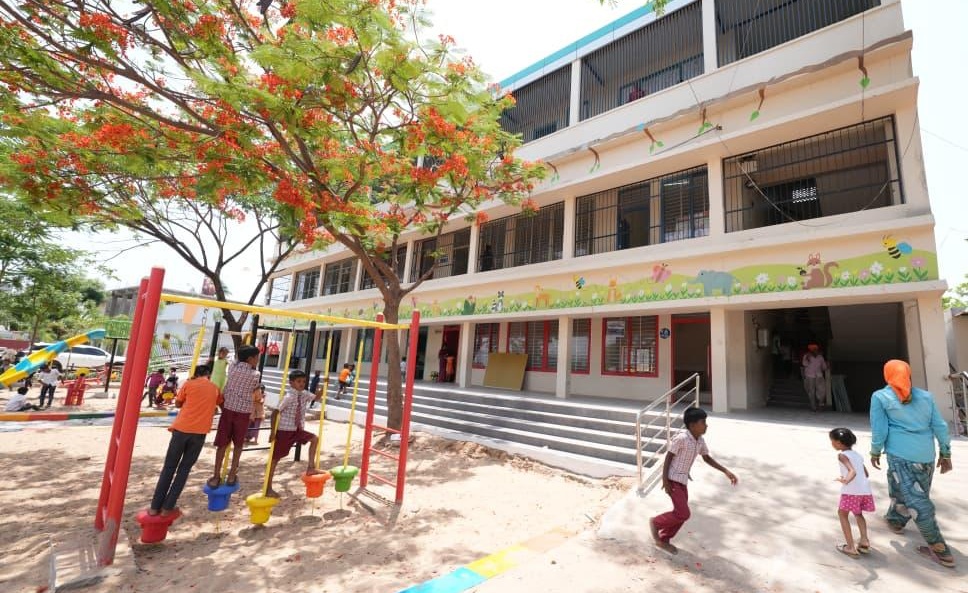
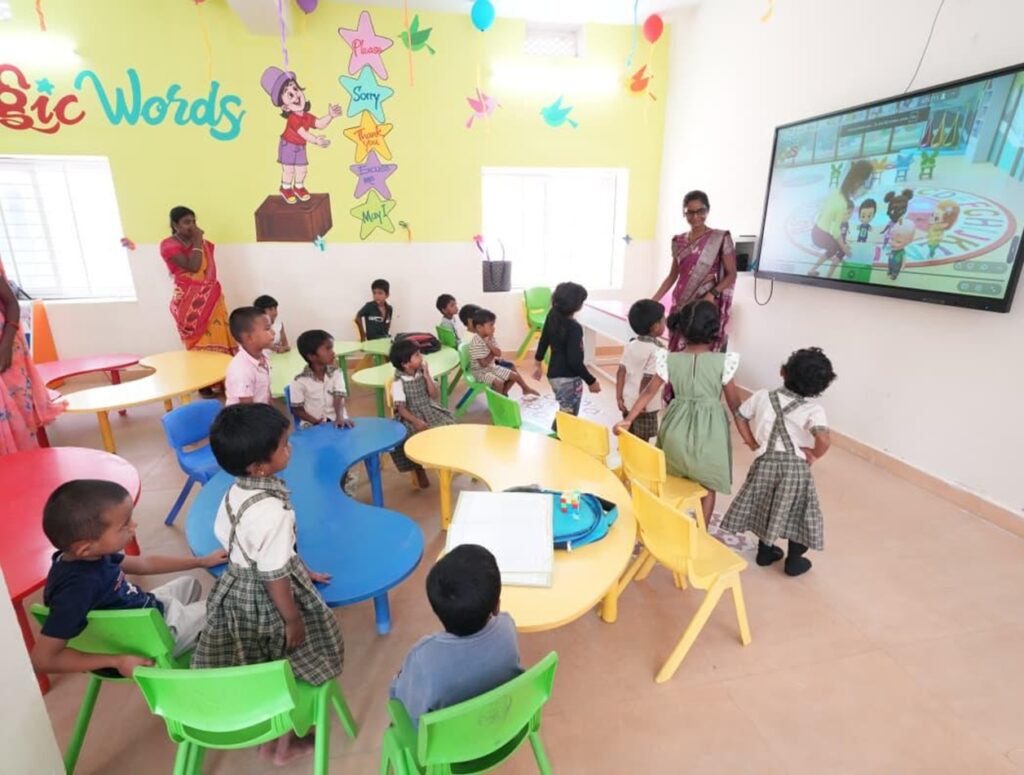
A recent photograph doing the rounds on social media in the past one week shows wide-eyed children walking into a gleaming, modern school building in Arutla, a small town in Telangana. Neat uniforms, small bags are small, and little faces expressing wonder mixed with disbelief!
That photograph, more than any press release or policy document, tells you everything about what the Telangana Public School represents.
But to understand why this matters, you have to go back a little.
When government schools lost their way
For decades, government schools in Telangana existed on paper rather than in practice. The buildings were old and crumbling, a coat of paint chipping away. There were no nursery or kindergarten sections, which meant that a child’s earliest and most formative years of learning were not factored in. Qualified teachers were hard to find, and in many schools, it was nearly impossible to retain the teaching staff.
And then came the cruelest blow of all. Most government schools only went up to Class 5. After that, children, especially girls from low-income families, were left with nowhere to go. Parents who couldn’t afford private schools or the cost of sending their children elsewhere simply kept them home. And just like that, a child’s future was decided, and dreams were crushed, in a matter of seconds.
How apathy & neglect cost children their future
The BRS government, in its 10 years in power, watched this happen, and witnessed many young children, especially girls, drop out of the education system. The party supremo and other leaders spoke about education reform, even floated a KG to PG scheme that turned out to be largely hollow.
In 2015, the BRS government promised to open one KG to PG residential school in every Assembly constituency, 119 in total. However, more than seven years later, the leaders turned their backs on the project after making a token attempt by inaugurating one pilot school in February 2023 at Gambhiraopet (Rajanna Sircilla district).
Meanwhile, their own children flew off to the finest schools and universities abroad. The feudal logic was brutal – aspiration is a luxury, and luxuries are not for everyone.
A vision takes shape
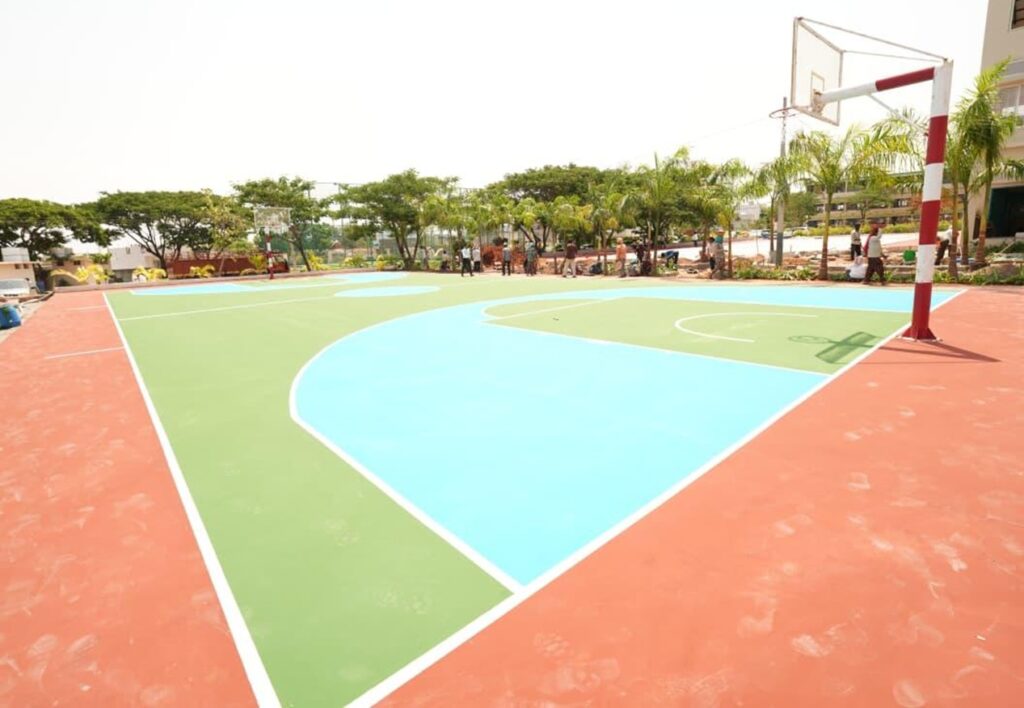
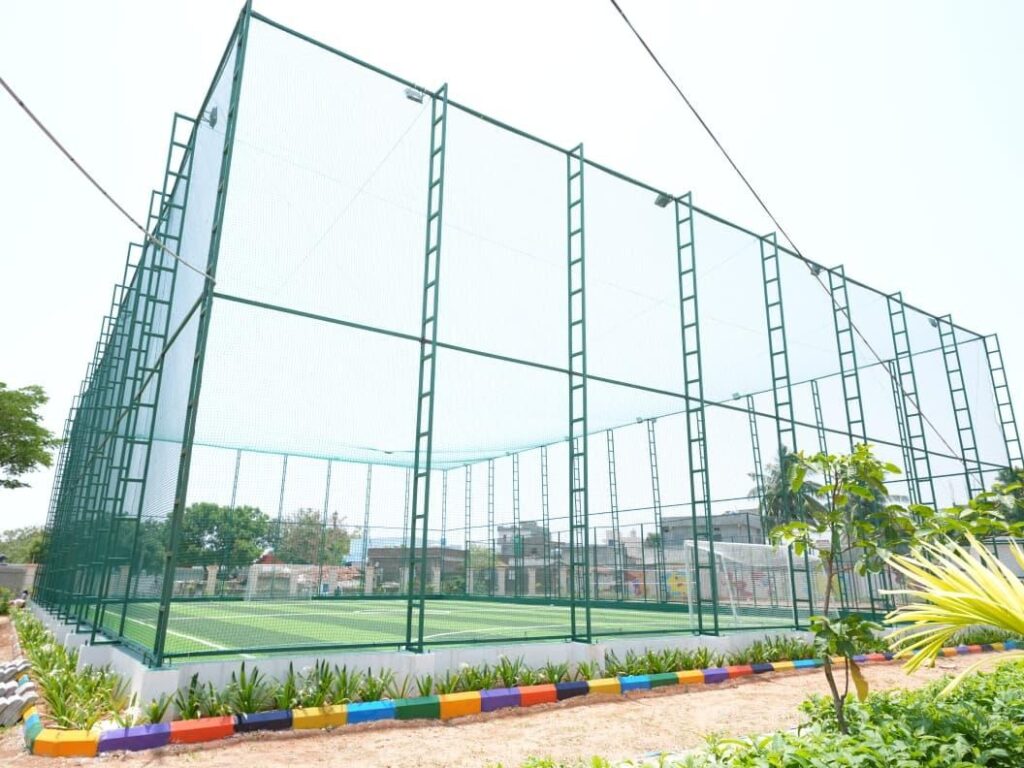
Chief Minister A. Revanth Reddy, who holds the education portfolio as well, clearly sees things differently. He carries with him a vision that feels, in many ways, like a direct answer to what B.R. Ambedkar once imagined for our country.
- A school where a child’s caste, class, or family income has no bearing on the quality of education they receive.
- A place where the daughter of a daily-wage worker sits beside the son of a government employee.
- A school where all children are told, without hesitation, that they can become doctors, engineers, scientists, or lawyers if they have the calibre and the will.
That vision now has a physical address. The Telangana Public School in Arutla is the first of the many schools that are all set to become more than “just a school”.
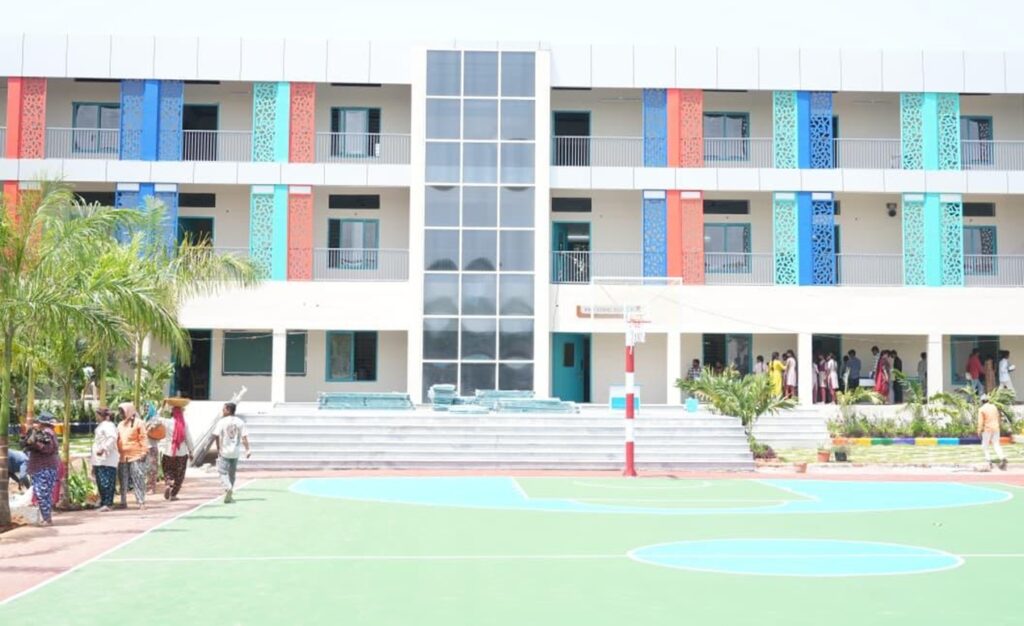
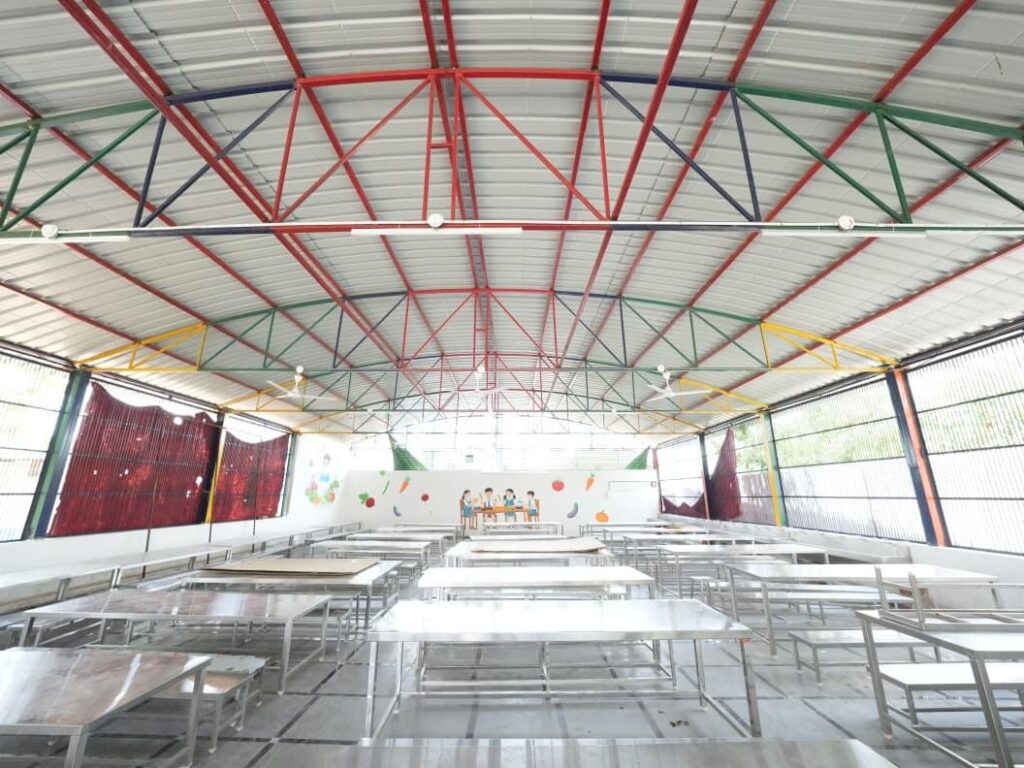
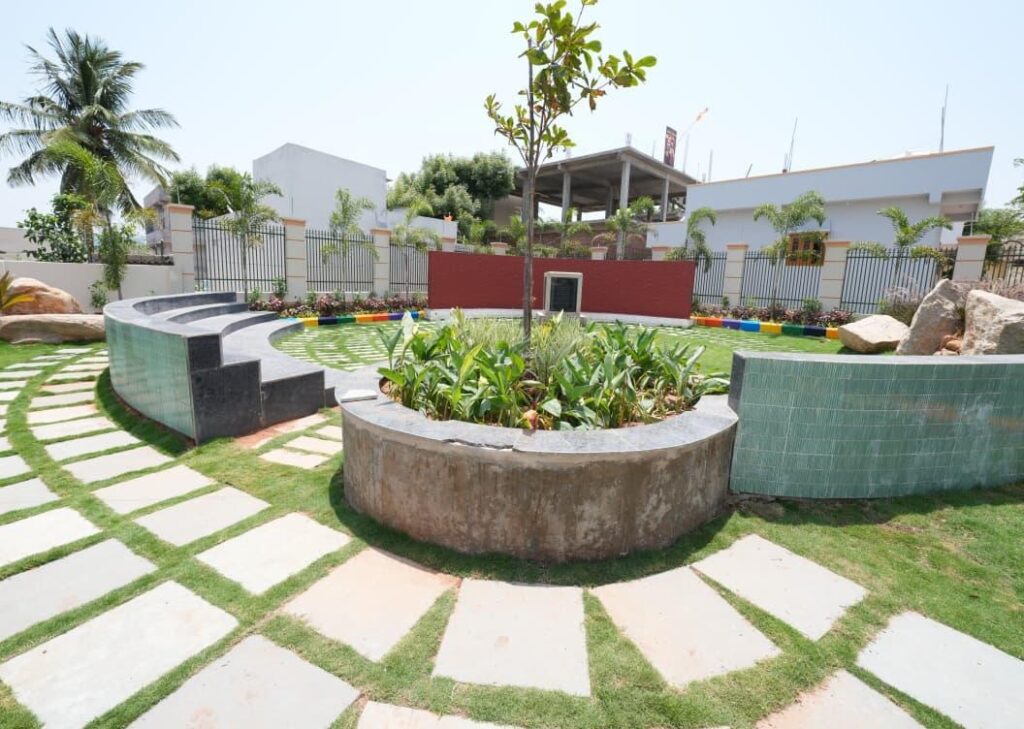
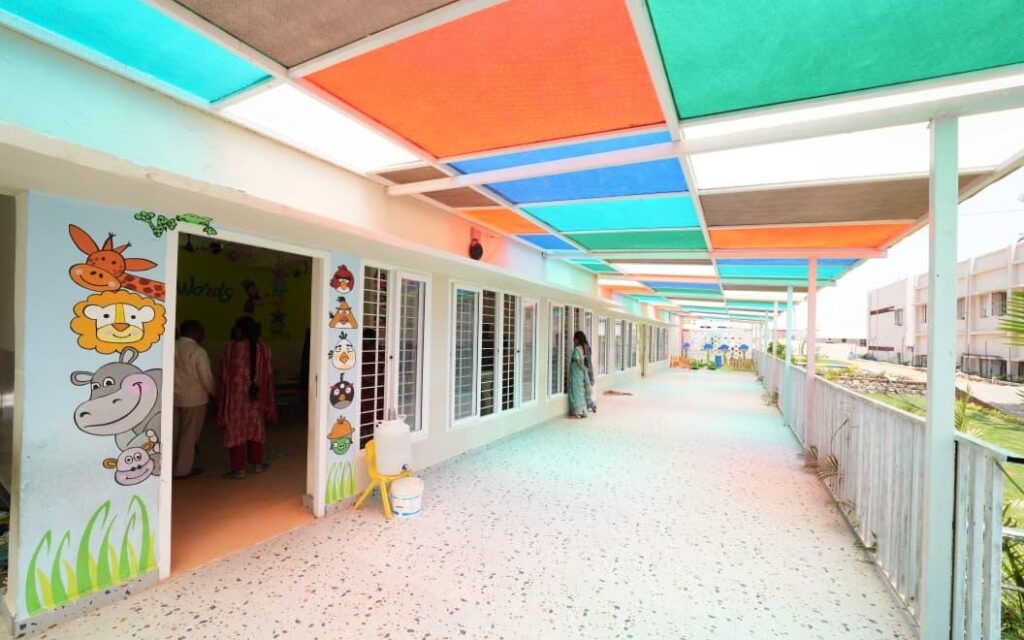
The building itself is a revelation – modern, well-lit, and built with the infrastructure that parents usually associate with expensive private institutions. But what makes it truly transformative is its structure.
More than just bricks and mortar
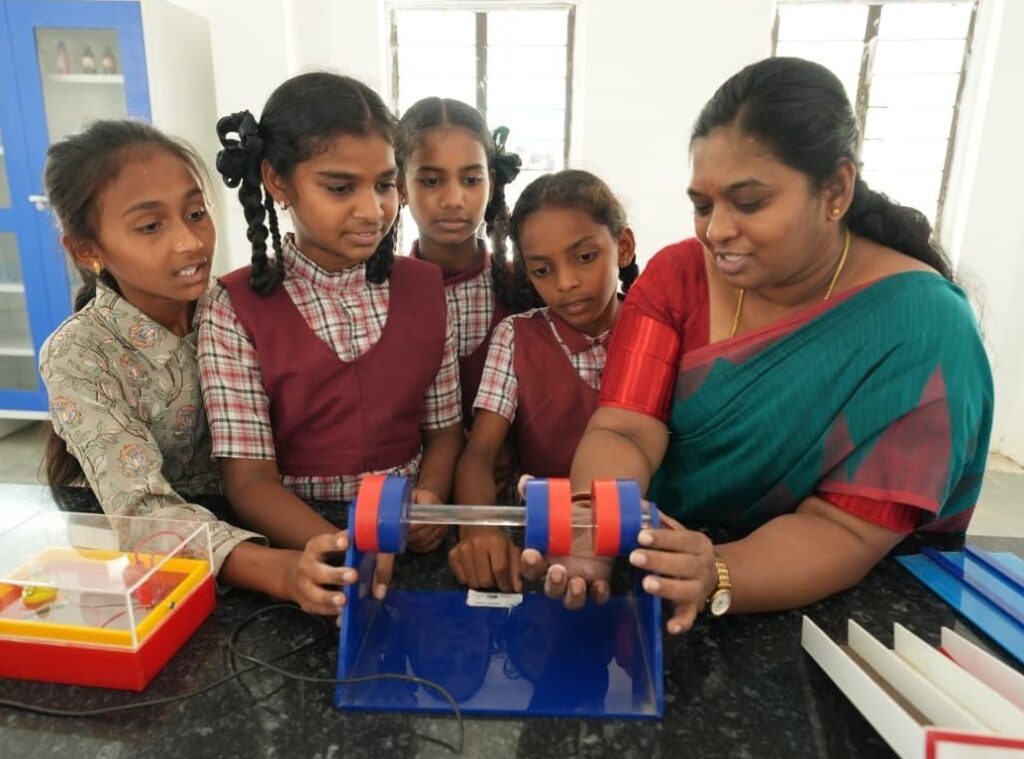
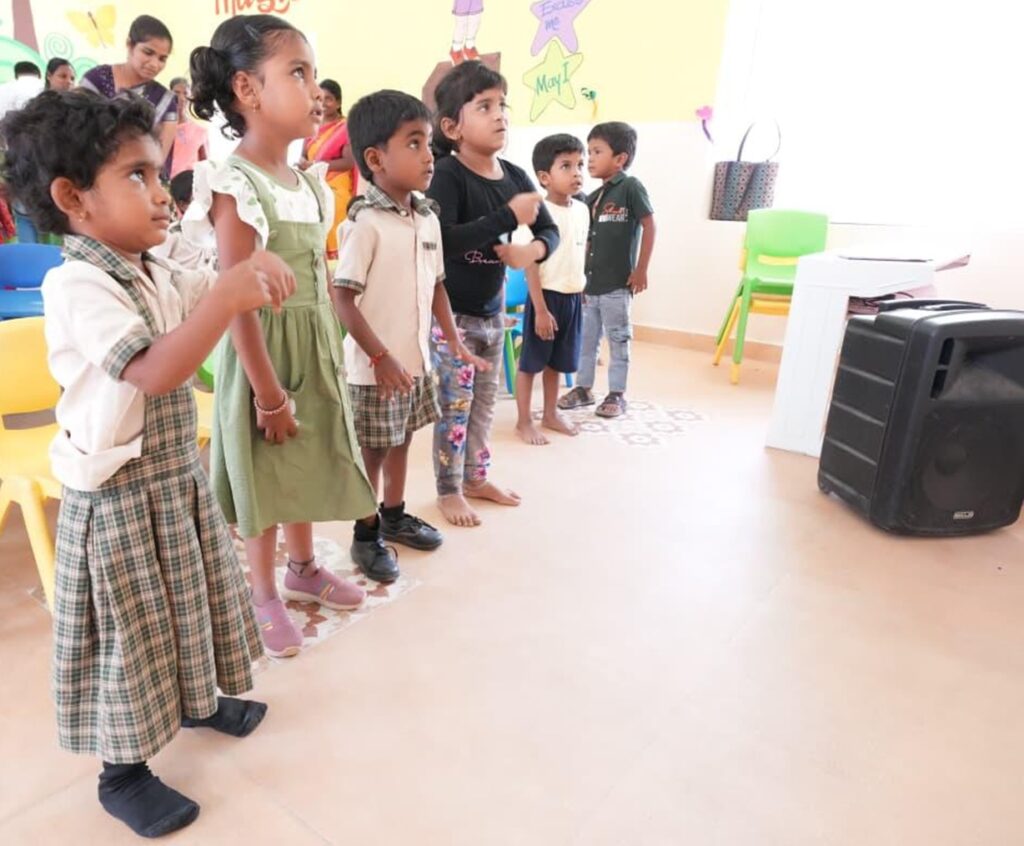
This is KG to PG in the most literal sense. From pre-primary all the way through Class 12, under one roof, in one campus.
- No more dropouts after Class 5 because there’s no Class 6 nearby.
- No more hesitation on parents’ end because the school looks like it might not last the monsoon.
- No more young girls disappearing from the education ecosystem because it became logistically complicated or financially impossible to continue.
One of the major challenges that the government schools faced previously was the enrolment, which usually started from Class 1 due to the absence of pre-primary sections.
Unlike an earlier era, all parents these days, irrespective of their social or economic status, prefer to admit their children to the pre-primary classes – nursery or pre-kindergarten, kindergarten 1 or LKG, kindergarten 2 or UKG. This meant that they knocked on the doors of private schools. And, after being educated in a private institution for three years, neither the children nor the parents are willing to opt for a government school from Class 1.
Restoring faith in public schools
Thanks to the Congress government’s vision for education of children in Telangana, the opt-in rate of government schools is slowly increasing.
Added to that, every single problem that kept families away from government schools earlier – the crumbling infrastructure, the missing kindergarten years, the lack of qualified teachers, the abrupt end at primary level – has now been addressed.
This is rare in Indian politics, where education schemes are often rich in speeches but poor in outcomes. However, what has happened in Arutla is different. It is visible, tangible, and believable for a first-generation learner’s family.
Where equality begins
Ambedkar believed that a truly equal society could only be built in the classroom. That if you gave every child – regardless of where they were born, what their surname was, or how much their father earned – a genuine shot at learning, you would eventually build a generation that could not be held back and could break free from rigid hierarchies.
Revanth Reddy seems to have read that vision carefully.
And in a small town called Arutla, a group of children walked into a school that finally looked like it believed in them, and his vision. That is where change begins…