

Can Hyderabad get ahead of the season?
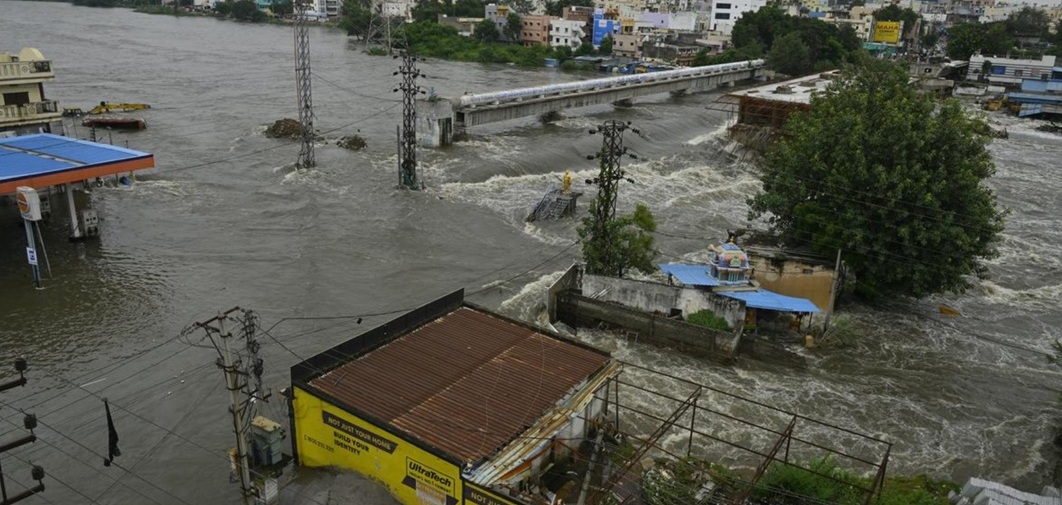
Every year, Hyderabad gets drenched and flooded. And every year, the city is somehow surprised by it.
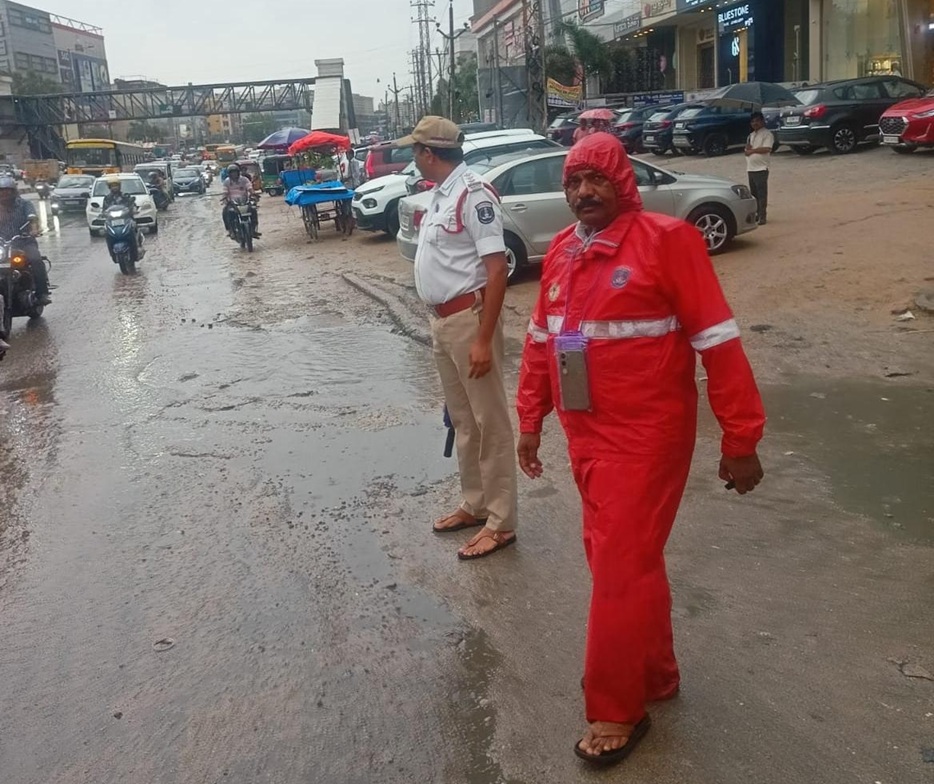
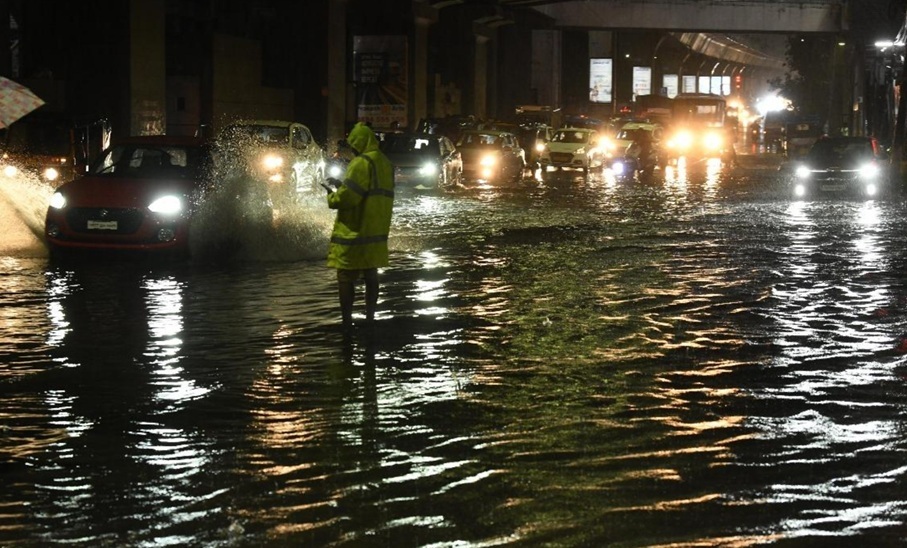
On June 9, 2026, moderate to heavy rain hit Hyderabad and Cyberabad. Within hours, traffic had seized up across major roads. Commuters were stuck for hours. Despite weather alerts having been issued in advance, municipal workers, traffic police, and civic personnel were largely absent from the streets. The city, once again, was caught off guard by rain that has already been predicted, and announced.
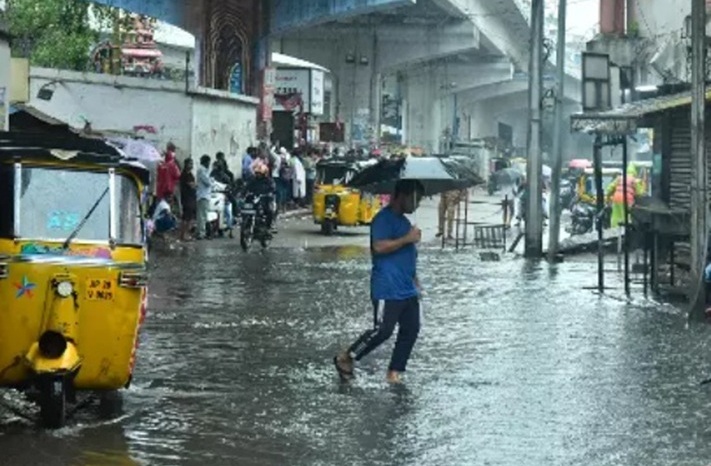
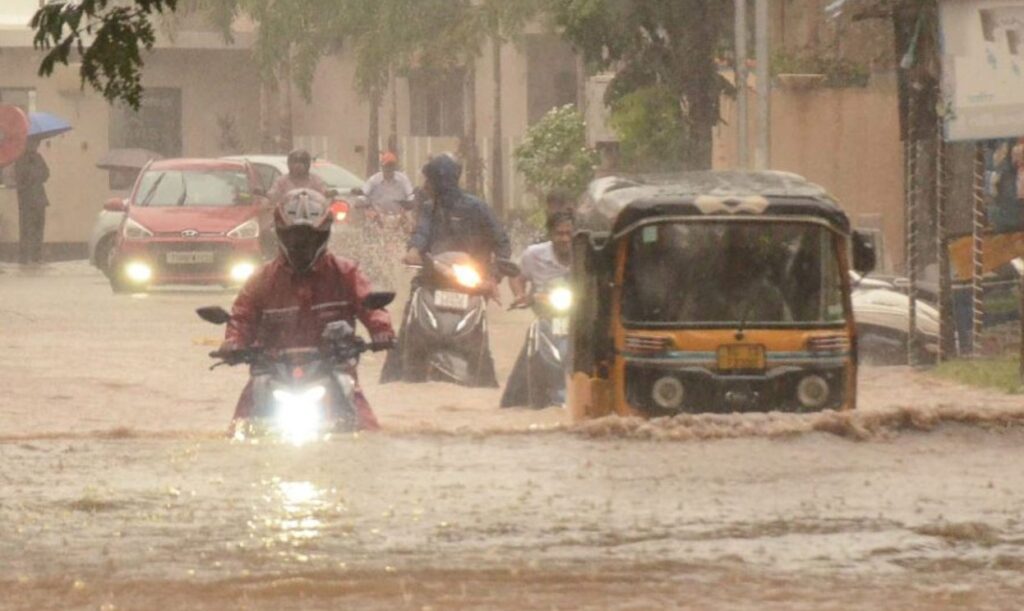
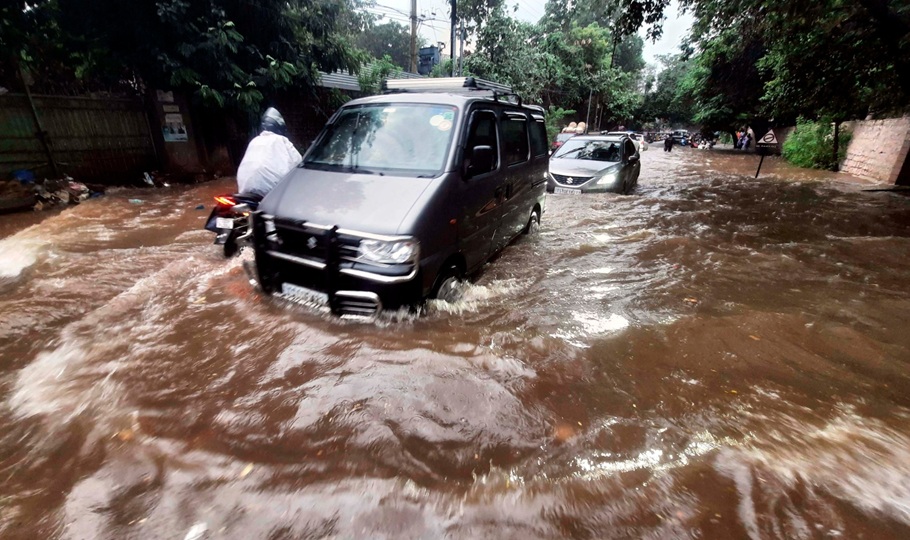
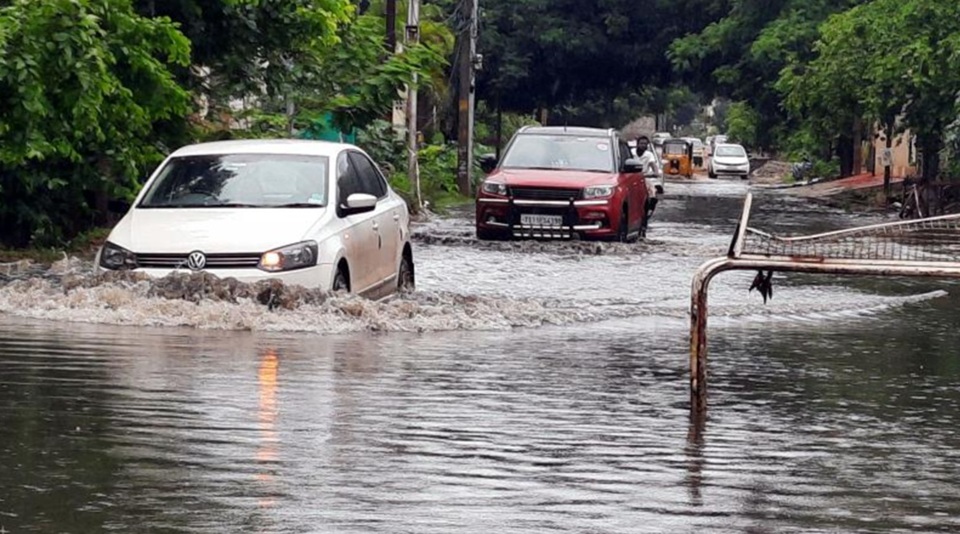
But when the rains came down on Hyderabad, so did the city. Roads turned into rivers, traffic crawled for hours, and scores of commuters were left stranded in the chaos. Of course, this wasn’t the first time the city has buckled under heavy rain. However, going by the tone of Chief Minister A. Revanth Reddy’s recent review meeting with top officials, it might just be one of the last times the State lets it happen without consequences.
CM Revanth demands accountability
The Chief Minister didn’t mince his words. Reviewing the State’s monsoon preparedness, he expressed sharp displeasure over the gridlock that gripped Hyderabad and Cyberabad on one rainy day, and pointed out that weather alerts had been issued well in advance, yet municipal staff, traffic police, and other personnel failed to respond in time. And it is this negligence that led ordinary people to get stuck in traffic for hours, soaked and frustrated, with nowhere to go.
“No complacency during the monsoon. Officials showing negligence will face strict action,” the Chief Minister warned, making it clear that this monsoon season will be different. He instructed the Chief Secretary and the Director General of Police (DGP) to identify exactly where things went wrong, fix responsibility, and act against those found negligent.
Boots on the ground
One of the clearest messages from the meeting was that officials can no longer afford to manage the monsoon from behind a desk. Revanth Reddy directed that personnel from municipal administration, HYDRAA, traffic police, the water board, and civil police must be physically present on the roads whenever heavy rain hits and not arrive like spectators after the damage is done.
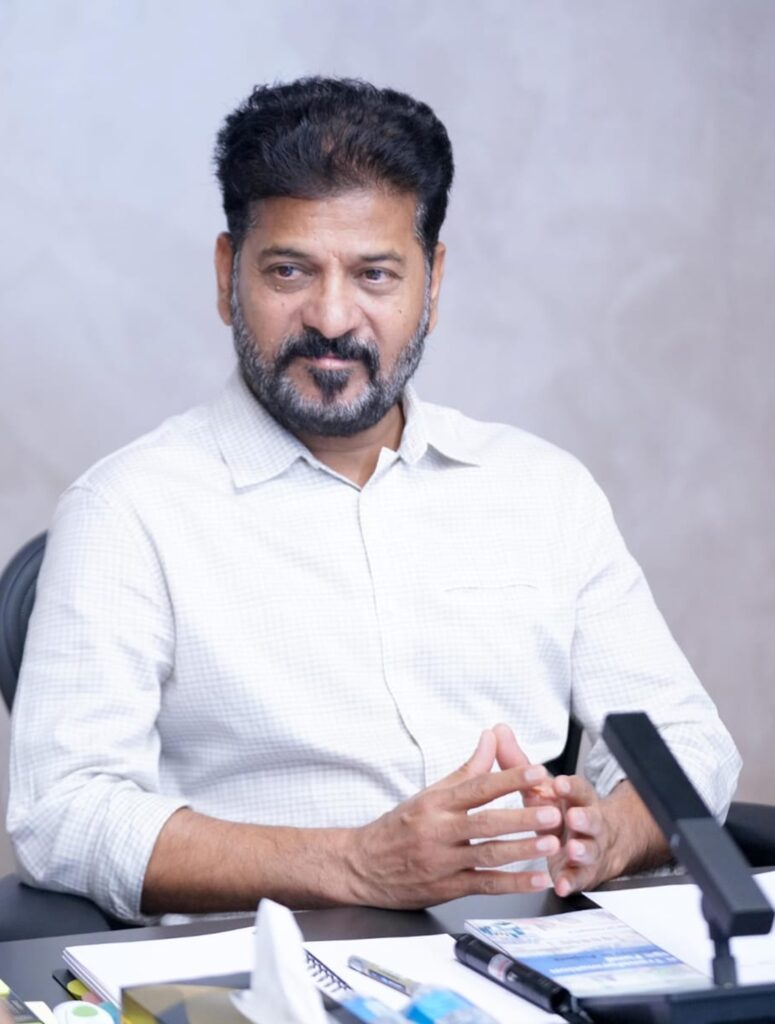
“I will not tolerate traffic paralysis due to the rain. Officials and police personnel must remain on the roads during heavy showers,” he said, adding pointedly that he himself “would step onto the streets if the situation demanded it”.
To avoid repeating the mistakes, departments have been asked to draw up action plans built around real data comprising known waterlogging spots, traffic black spots, and congestion-prone junctions across the city. The idea is to stop “reacting to flooding after it happens”, and “start preventing it before the first few drops hit the earth”.
Power, water, and the basics that matter
Beyond traffic, the meeting touched on several everyday concerns that tend to worsen during heavy rains. Power outages caused by uprooted trees were flagged as a particular worry, with the Chief Minister ordering quick restoration of electricity and the deployment of mobile transformers in areas that need them.
Irrigation officials were told to strictly follow reservoir operation manuals through the season, and engineers were instructed to stay put at project sites and not leave without permission. The directive also was a warning of strict disciplinary action for anyone who does.
When drinking water safety issues came up for discussion, the authorities have been told to step up regular testing and keep a close watch to prevent contamination, which tends to spike during the rainy months.
Alongside this, the Health Department has been asked to stay fully stocked with medicines and ready with infrastructure to deal with seasonal illnesses, while sanitation teams have been put on alert to tackle the unhygienic conditions due to waterlogging.
Farmers haven’t been left out
With the monsoon also marking the start of the farming season, the meeting addressed agricultural preparedness as well. Officials were directed to ensure that seeds and urea are available in adequate quantities and reach farmers without delay. The government plans to use Rythu Vedikas, the farmer assembly centres set up across the State, as distribution points for urea, alongside awareness drives promoting eight varieties of fine paddy seed recommended by the Agriculture Department.
Perhaps, the biggest takeaway from the meeting is the emphasis on departments working together rather than in isolation. The Chief Minister has ordered continuous coordination through the monsoon among municipal administration, the water board, health, police, fire services, HYDRAA, and disaster management agencies.
It’s a tall order, and whether it translates into smoother roads and fewer disruptions will only become clear once the next heavy spell hits the city. But the message from the top has been unambiguous. This monsoon, the administration is expected to be visible, accountable, and ready, and not caught off guard once again.