
The long road back: Inside corporation’s turnaround
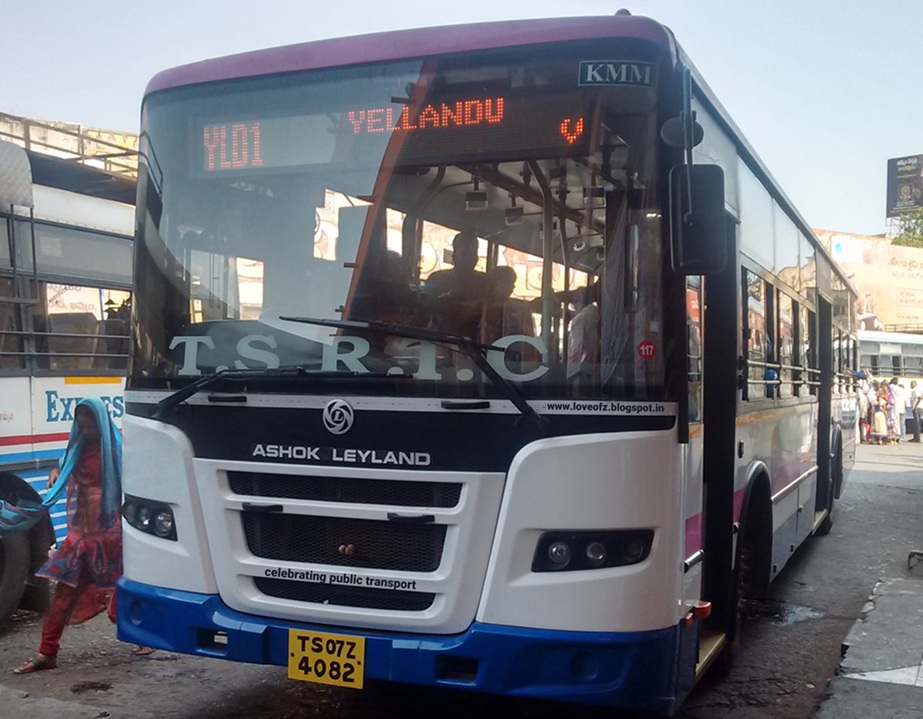
Buses in Telangana have always meant something. Whether it is the red-and-white or blue-and-white city buses or the green-and-white Palle Velugu ones, these vehicles carried value more than commuters.
From the crowded arteries of Hyderabad to the winding roads leading to deep forest areas in Adilabad, in a State that stitched together rivers and dry plateaus, the RTC buses were what got people where they needed to go. For many years, that was enough. Then, for a while, it wasn’t.
When the wheels began to slow…
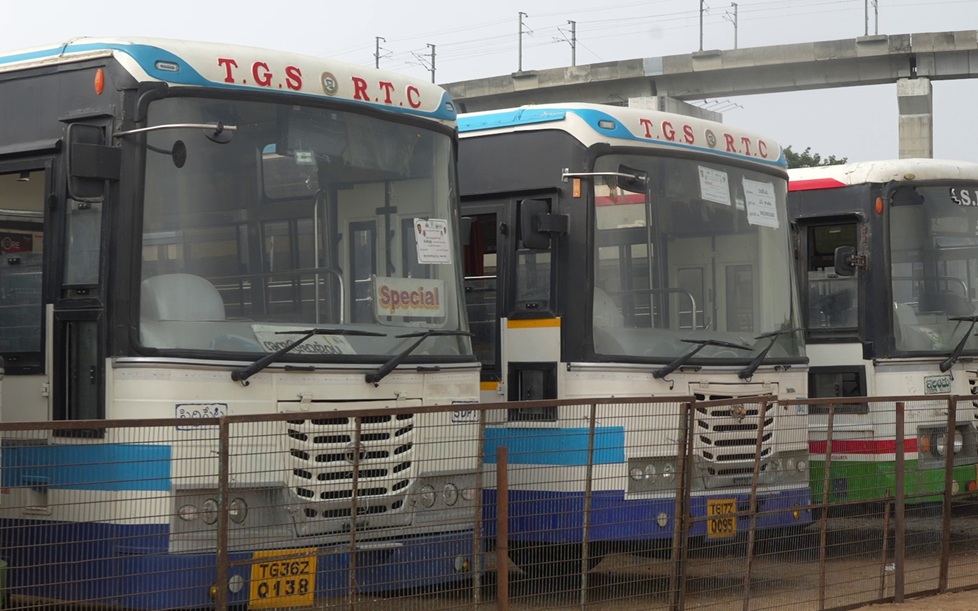
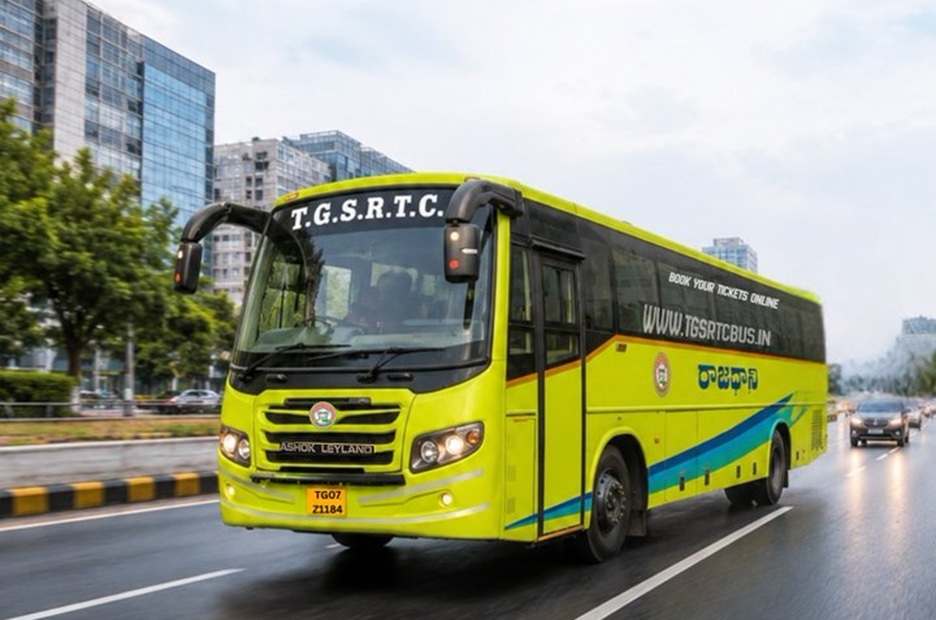
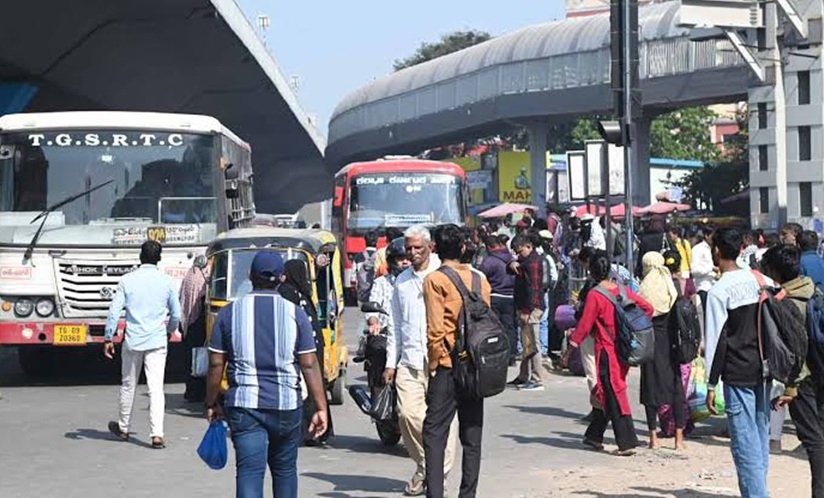
The Telangana State Road Transport Corporation (TGSRTC) spent much of the last decade, under the previous Bharat Rashtra Samithi (BRS) government, in a kind of slow unravelling. While debts accumulated, buses aged but didn’t find their replacement. Employees waited years for pay revisions and retirement dues that never reached them.
The 55-day strike of 2019 – still raw in the memory of those who lived through it – said everything about how badly things had frayed. The buses still ran, but the corporation behind them was running out of road and had reached one of the most difficult phases in its history.
The ultimate nail in the coffin was hit during the pandemic. And by 2020-21, RTC was pushed into losses to the tune of Rs. 2,329 crore. The following year brought Rs. 1,987 crore more in the red. Was it a verdict on the future of the corporation and its thousands of employees? In a way, yes! Numbers never lie, and the data projections did have the quality of a verdict.
The turnaround: A surplus few saw coming
Which is what makes this past year so difficult to explain without sounding like you’re making it up.
TGSRTC ended 2025-26 with a surplus of Rs. 1,059.27 crore, the largest in the corporation’s history. It may neither be a return to stability nor a narrowing of losses. But it’s an actual record. A remarkable achievement at a time when the corporation was expected to sink deeper into losses.
Mahalakshmi scheme: The policy that changed the numbers
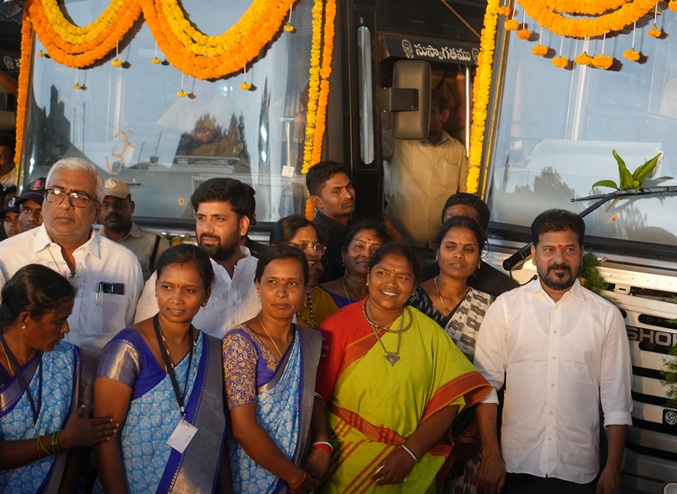
The Mahalakshmi scheme is integral to this turnaround. Free bus travel for women was a policy that accountants dread. A guaranteed reduction in fare revenue with no ceiling on how many people might take it up.
But what happened turned out to be more interesting. Buses that had been running half-empty began filling. Women who had switched to other modes of transport such as ride-sharing in auto-rickshaws, or who had simply stopped going anywhere for want of affordable options, came back.
The government reimbursed the corporation for each of these journeys. And, in time, the sheer volume of additional riders did what no fare revision could have done on its own. It made the economics work in favour of the crumbling RTC.
Rebuilding the corporation from within
Alongside this, the corporation has been putting its house in order in realistic ways. Long-pending pay revisions have been implemented. Retirement dues have been cleared. Employees who were dismissed during the 2019 strike have been reinstated.
Recruitment, which had effectively frozen despite years of retirements negatively impacting the workforce, has resumed. The government has approved a phase-wise hiring plan for over 3,000 vacant positions, of which 1,743 drivers & shramiks and 198 supervisor trainee posts have been notified through major recruitment drives, and the process is currently underway.
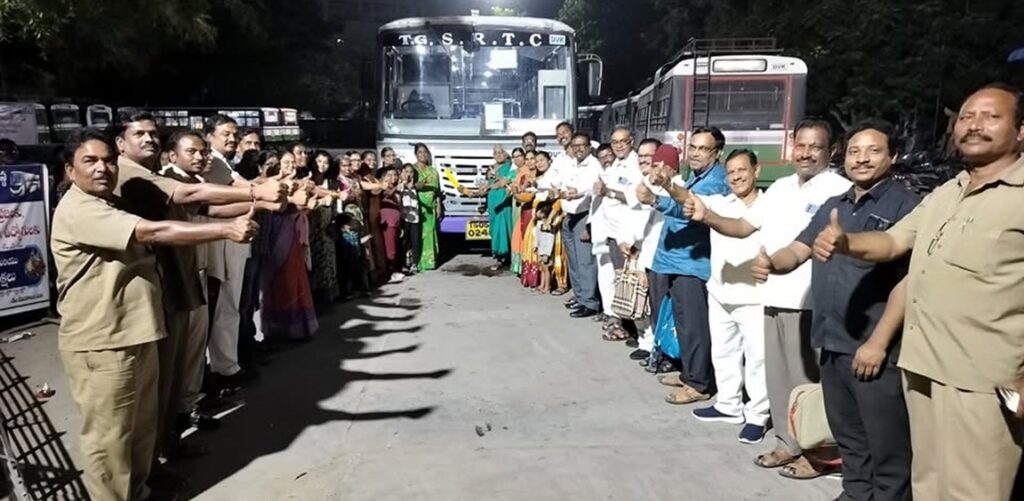
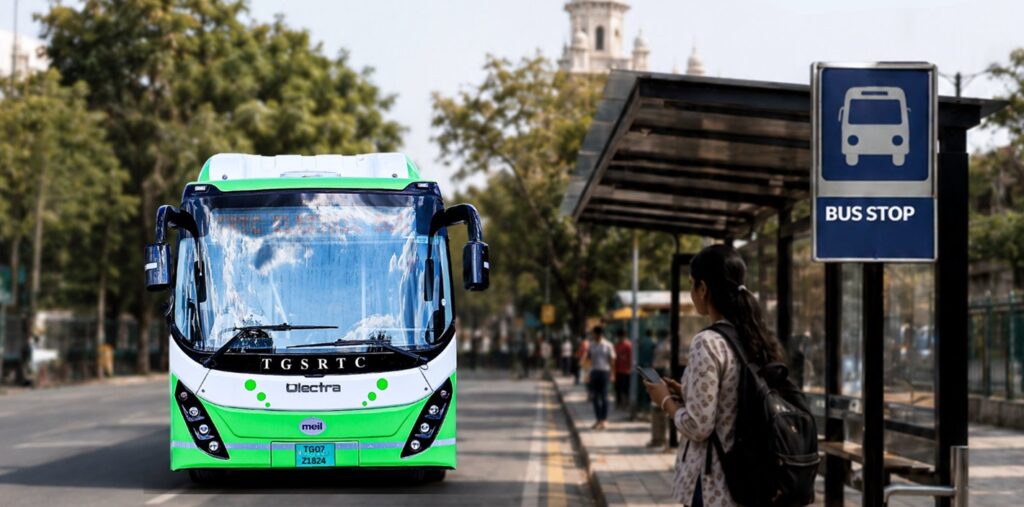
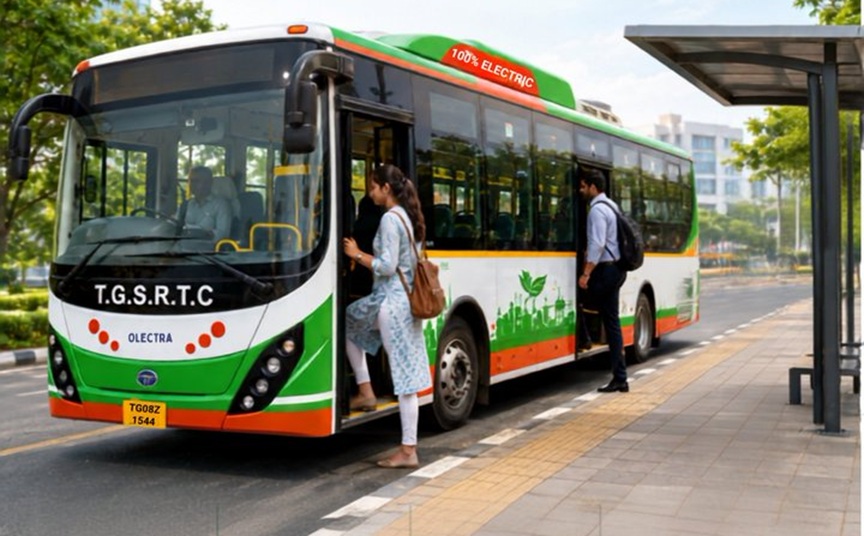
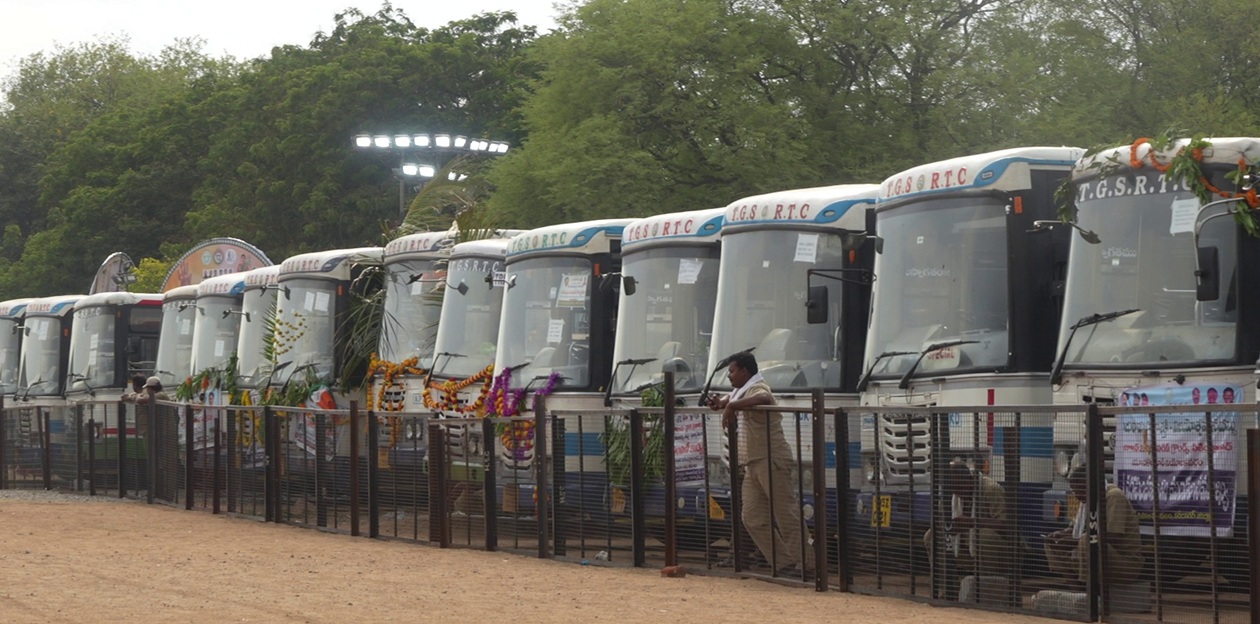
The fleet has also changed. More than 2,800 new buses have entered service, pushing the total past 10,000 for the first time. New bus depots and terminals have opened around the state, including Eturunagaram, Peddapalli, Huzurnagar, Kodad, Madhira, Kaleshwaram, Mangapet, and Mulugu.
The RTC Hospital at Tarnaka has been upgraded into a super-speciality facility. In a story crammed with numbers, this detail is quite easy to overlook. But the initiative is certainly relevant to the people who keep the buses running.
More than a balance sheet
None of this happened because someone found a rare solution to an ingenious accounting problem. This is no rocket science. What the figures reflect is something more mundane yet more durable. As a large number of people start riding the buses, costs are being managed with greater discipline, and liabilities are being treated as unavoidable repayments.
The corporation’s target for the current year is Rs. 1,118.8 crore in surplus. Whether it gets there or not depends on how well it manages from now. Smooth and regular ridership, discipline, and the trust rebuilt with employees who spent years wondering if things would ever improve – all these need care and upkeep too, just like the buses.
The journey isn’t over yet
But the distance already covered by the corporation in less than three years cannot be ignored either. A public institution that was burdened with losses exceeding Rs. 2,000 crore in a single year is now posting record profits.
The women boarding buses in Nizamabad, Warangal, Karimnagar or Khammam are going to places they might not have gone otherwise. The drivers and conductors collecting their revised pay are now providing well for their families.
The colour-coded buses haven’t stopped running. But this time, they are taking the corporation along, and it seems like they know where they’re going.