

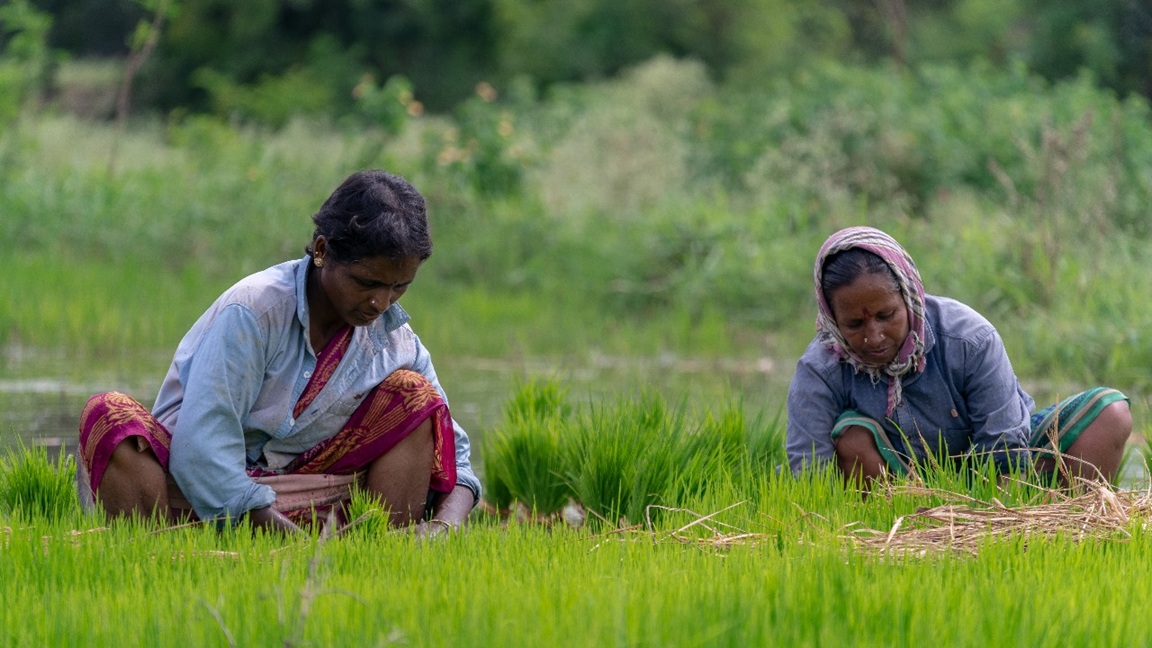
Why fine rice matters: The story behind every grain
For almost 75 years post-Independence, the public distribution system (PDS) in India has meant one thing – coarse, broken grain that most people would not willingly choose to eat. Telangana, too, was no exception. For a little over a decade, families that depended on PDS rations ate it because they had no choice, not because they wanted to, or spent money from their own pocket to buy better quality rice.
But in the youngest State in India, that changed in April 2025.
Under Chief Minister A. Revanth Reddy, the Congress government launched the ‘Sanna Biyyam’ scheme with a promise to replace the ordinary PDS rice with a fine variety, the kind typically bought in open markets by those who can afford it. When the scheme was launched, Revanth Reddy roared his message – plain, loud and clear – for all to hear: “From now, even the poor will eat rice that rich people eat.”
Sounds like a political promise? Yes, it could be. But it was also a statement about dignity.
A promise that was kept
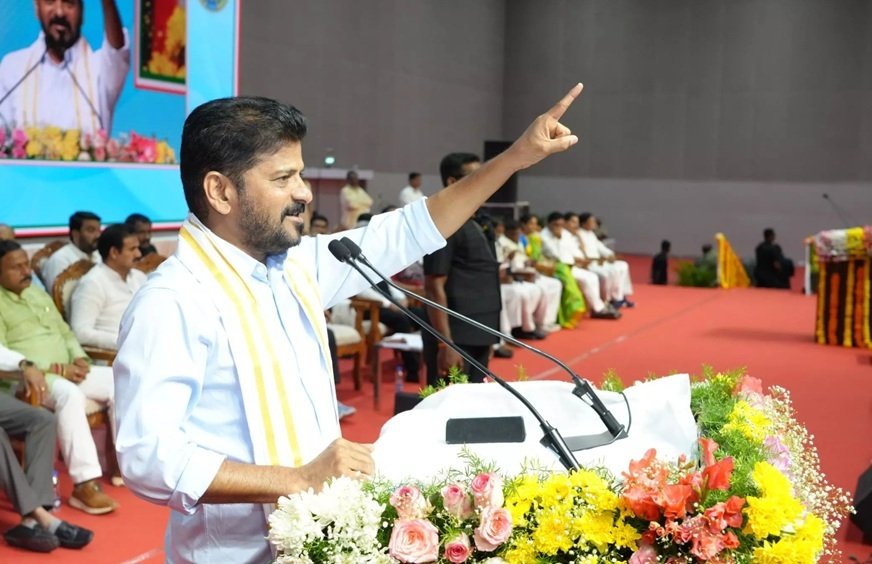
The Chief Minister was categorical about the scheme’s permanence at the time of its launch. “No future government will dare to stop the scheme. It will continue permanently, regardless of political changes,” he said. Whether that holds is something only time will tell, but the scheme did launch, and it has been delivering fine rice through the PDS network to beneficiaries across the State.
What made this possible was not just a policy decision. It was underpinned by a significant shift in what Telangana was actually producing on its farms.
The fields behind the policy
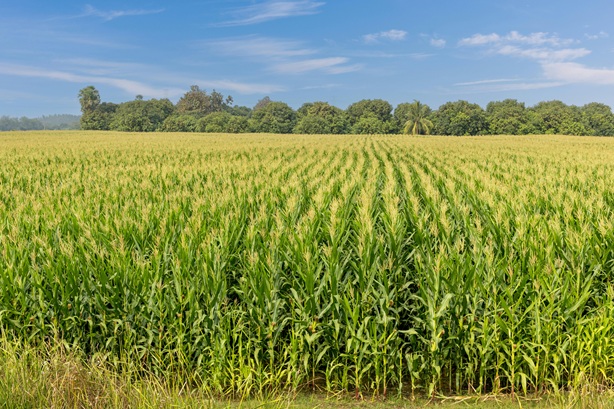
Telangana is now the top producer of paddy in the country, according to the Central Government’s Economic Survey. The State achieved a record paddy production and procurement during the 2025-26 agricultural year. It procured over 147 lakh tonnes, which accounts for approximately 60% of the country’s total paddy procurement.
That kind of output is certainly not common. So, how was it even possible? The Congress government introduced a bonus of Rs. 500 above the minimum support price (MSP) for paddy, which gave farmers a direct incentive to take up fine-variety cultivation in greater numbers. The result showed up quickly in the harvest figures.
There has been political noise around who deserves credit for this production boom. The BRS has pointed to the Kaleshwaram irrigation project, built during their tenure, as the reason for increased yields. But the Medigadda barrage of that project suffered severe structural damage in October 2023 and has been non-functional since. The bumper harvests of recent seasons owe more to ground-level farmer support than to a barrage that cannot currently store water.
Supporting the farmer who grows it
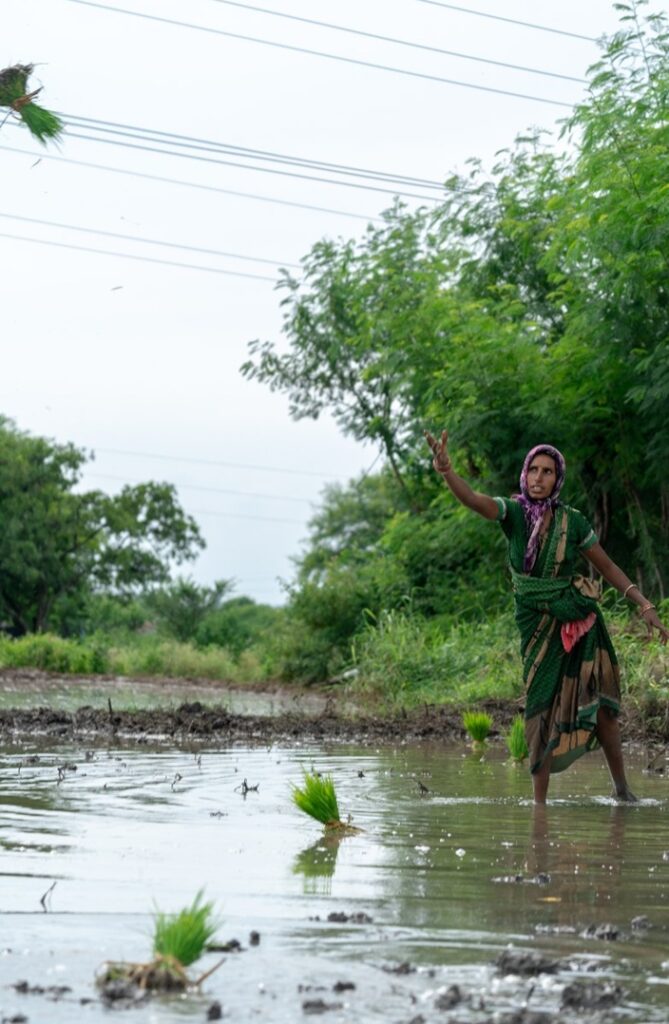
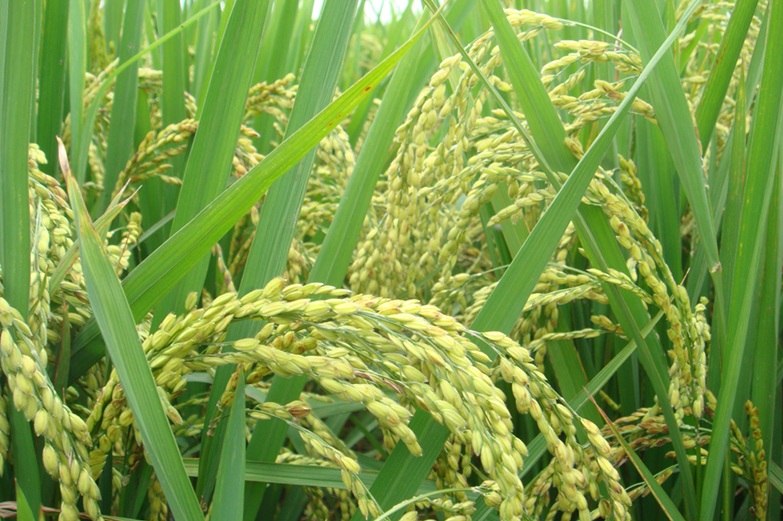
The ‘Sanna Biyyam’ scheme sits within a wider set of agricultural reforms that the government has rolled out. A multi-pronged approach that ensures the welfare of the ‘annadaata’ (food-giver) in multiple ways.
The crop loan waiver under Rythu Runa Maafi wiped out loans up to Rs. 2 lakh per farming family, covering both principal and interest, with amounts transferred directly into loan accounts. So far, a total allocation of over Rs. 20,600 crore was disbursed under the scheme, benefitting over 25 lakh farmers across the State.
The Rythu Bharosa scheme, which replaced the earlier Rythu Bandhu after allegations that its predecessor had paid out benefits to ineligible recipients, now provides Rs. 12,000 per acre per year to landholding farmers, tenant farmers, and landless agricultural labourers.
The Rythu Bima insurance scheme adds a safety net for farmers’ families in case of death, offering financial relief regardless of the cause.
Together, these measures have tried to address the full cycle by making farming viable, protecting the farmer, and then ensuring the produce reaches those who need it most.
A plate full of change
It would be easy to see the ‘Sanna Biyyam’ scheme as a welfare gesture. A better grade of grain in the ration shop. Nice, but not transformative.
But look at it differently. What the scheme shows us is a shift in how the State thinks about the poor. PDS beneficiaries have historically received what was left over – usually the lowest grade, the surplus, or the grain that nobody else wanted.
Getting fine rice through a ration card says something completely different. It speaks volumes about the fact that the quality of food on a poor family’s table matters.
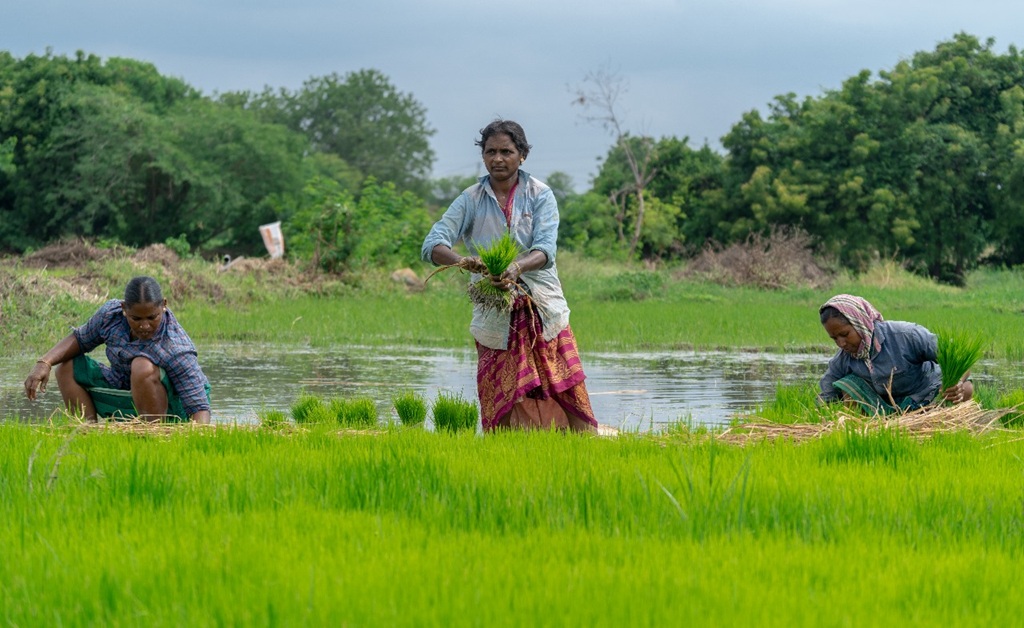
Whether the infrastructure behind the scheme – the production, the procurement, and the distribution chain – can sustain that promise at scale is the real test ahead. For now, in thousands of households across Telangana, the rice on the plate is a little better than it used to be. And that is not nothing.