
Free rides, greater reach & freedom to move
Sattemma Korasa boards a TGSRTC (Telangana State Road Transport Corporation) bus in Medak most mornings, baskets of leafy vegetables balanced beside her, bound for Hyderabad. Until December 2023, that daily trip was also a daily deduction, leaving her little choice but to renew her bus pass every month. Once the Mahalakshmi scheme arrived that December, she decided not to renew it.
The expense incurred towards the fare that used to eat into her earnings, before she had even sold a single bundle of greens, is gone now.
Multiply her story by tens of lakhs, and you start to understand why a free bus ticket has become one of the most talked-about welfare measures in Telangana’s recent history. It’s, undoubtedly, women’s empowerment in its truest sense.
A guarantee delivered within 48 hours
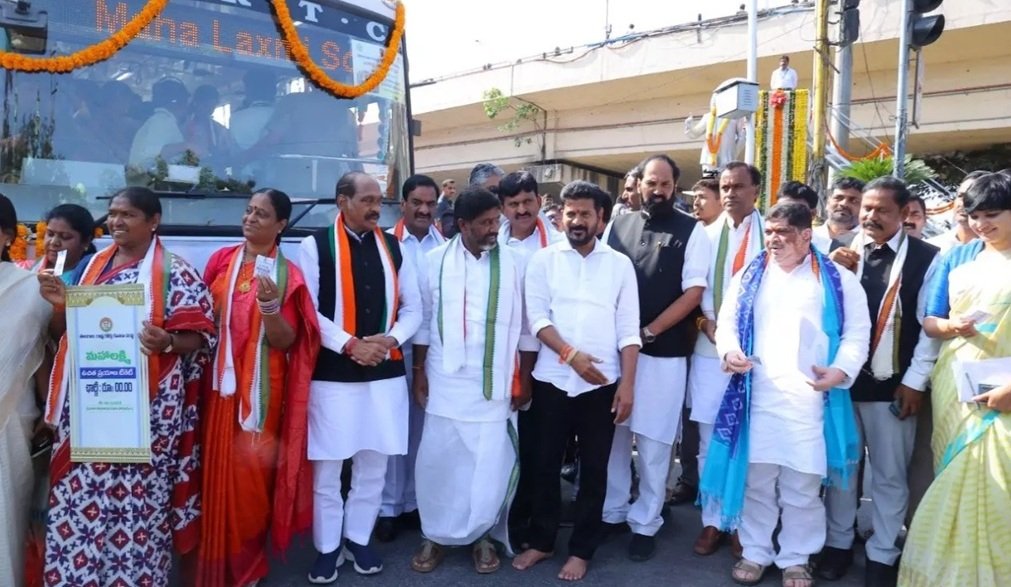
The Mahalakshmi scheme was launched on December 9, 2023, within 48 hours of the new Congress government taking charge, fulfilling the first of its six election guarantees.
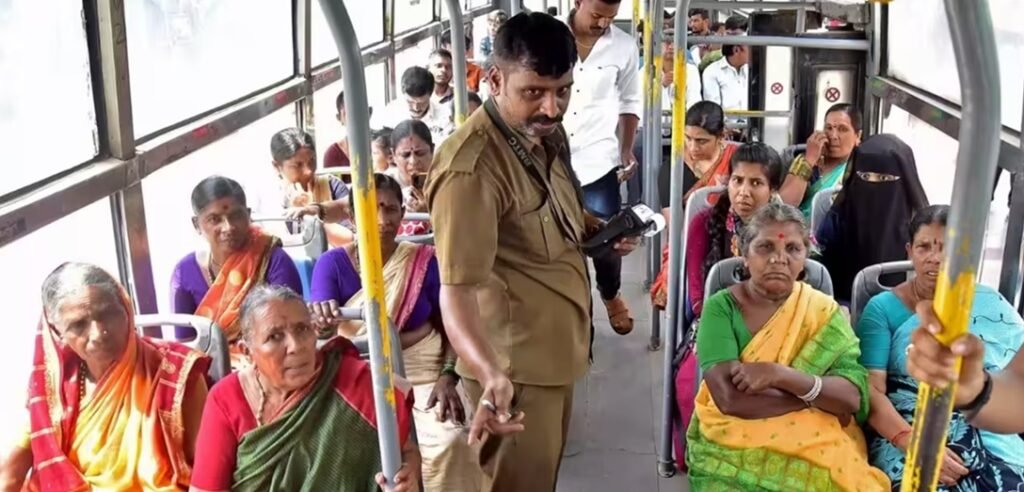
Under the Government Order (G.O. Ms. No. 47), girls and women of all ages, along with transgender persons who are domiciled in Telangana, could travel free on TSRTC’s Palle Velugu and Express buses anywhere within the State, simply by showing an Aadhaar card or local identity proof without any income limit, distance cap, or separate registration.
For a woman working a daily-wage job, running a small shop, or commuting to college, bus fare was rarely a large sum in isolation. But paid every single day, across a month, it added up to an amount that many households couldn’t really afford to spare.
What the numbers show now
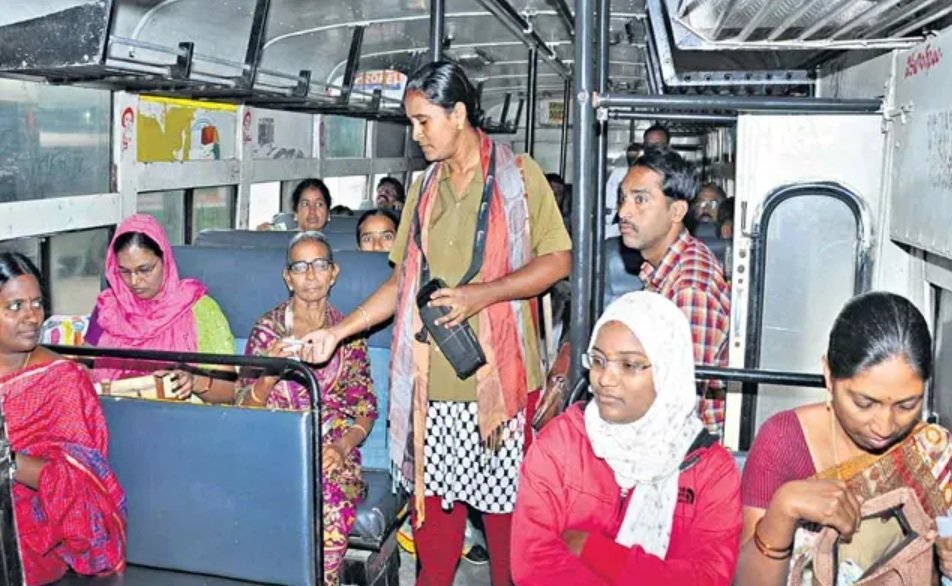
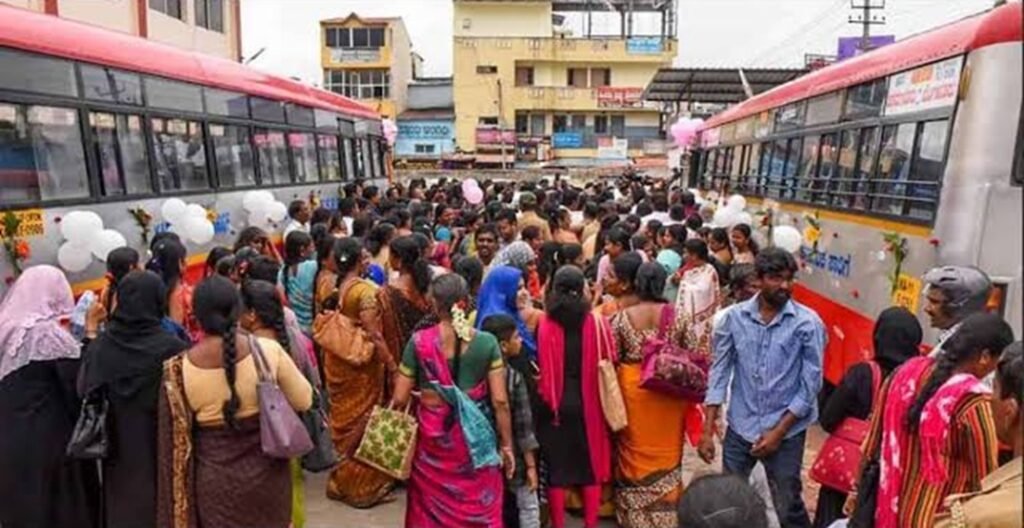
Two years on, the scale is hard to ignore. Women have used more than 290 crore zero-fare tickets in about 28 months, with over 35 lakh women travelling free every single day.
Cumulatively, women across the State have saved close to Rs. 10,000 crore in travel costs since the scheme began.
Before Mahalakshmi, an ordinary working woman or student was typically spending between Rs. 1,500 and Rs. 2,500 a month just getting around. That money is now staying in household budgets.
The scheme has also influenced the choice of commuters – especially who rides the bus in the first place, albeit subtly! Women’s share of TGSRTC’s ridership has climbed from around 40 per cent before the scheme to more than 67 per cent now, and occupancy on State buses, which hovered near 69 per cent before December 2023, climbed past 90 per cent within the year.
What it costs, and who pays
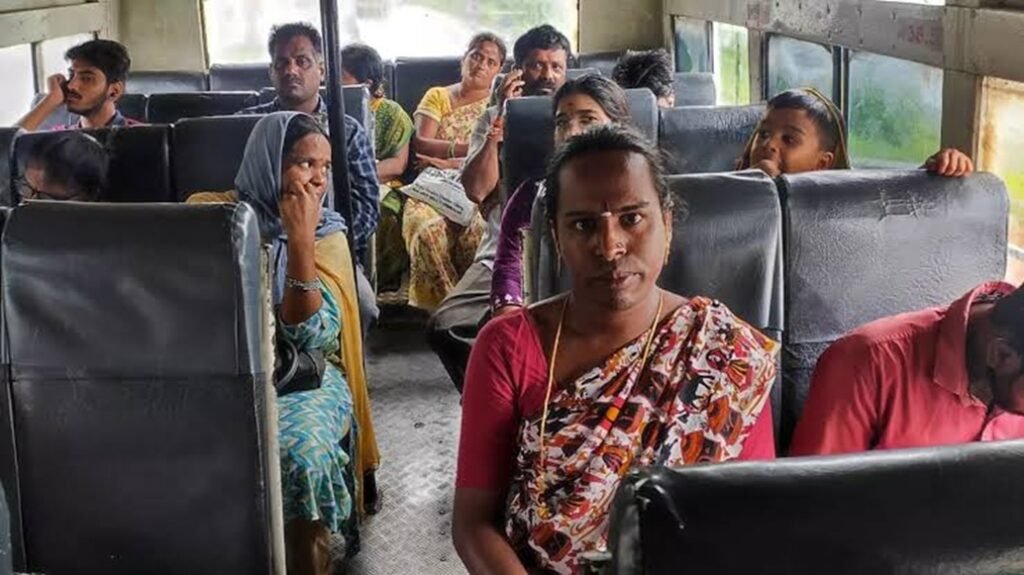
None of this is free for the government, even if it’s free for the passenger.
Telangana government reimburses TGSRTC for every zero-fare ticket issued, at a cost that has run to roughly Rs. 250 crore a month.
By July 2025, about a year-and-a-half after its launch, the State had released Rs. 6,700 crore to the transport corporation, with a further Rs. 700 crore still in the pipeline. Spread across 2024 and 2025, that reimbursement bill works out to somewhere in the range of Rs. 3,000 crore a year, a recurring expense in the State Budget that keeps the buses running and the drivers, conductors and depot staff paid on time.
Beyond the fare box
The real story, though, is centred on what that saved money and freed-up mobility have allowed women to do. Transport Minister Ponnam Prabhakar has pointed out that hospital footfall from women travelling in from outlying districts to Hyderabad has visibly risen.
Researchers at the University of Hyderabad’s School of Economics, studying TGSRTC’s own ridership data, found measurable gains in women’s access to healthcare and employment, not just to bus seats.
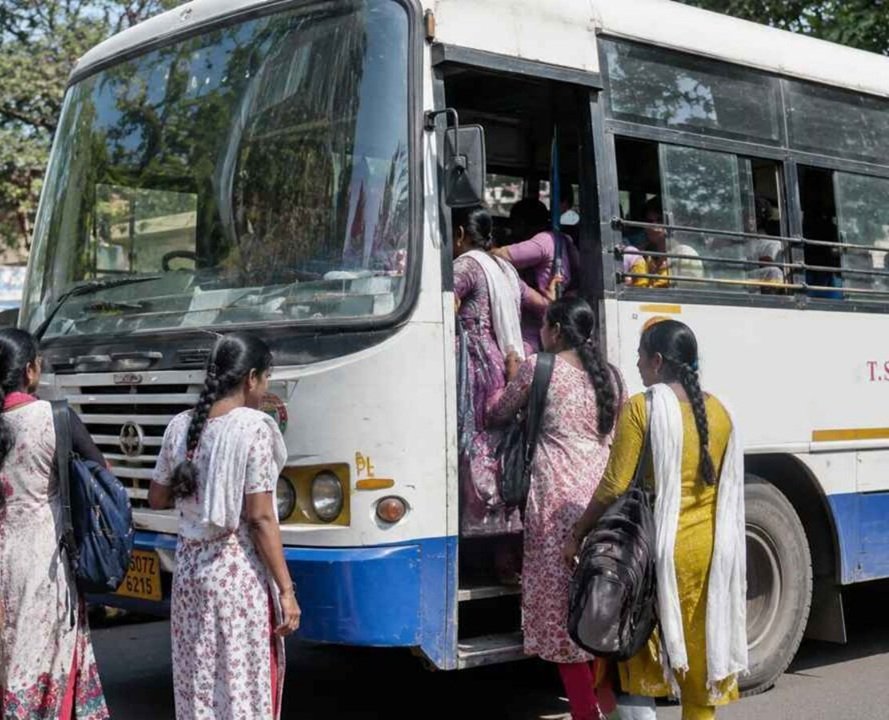
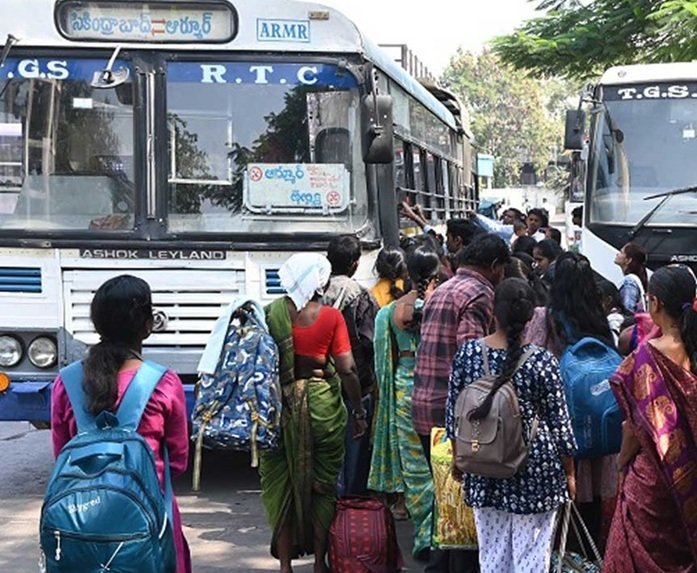
For Sonali, a transwoman who regularly commutes between Uppal and Secunderabad for workshops, the free rides have translated into roughly Rs. 1,200 saved every month, money that now folds into household expenses. P. Madhavi, who runs a vehicle repair shop in Malakpet and has commuted across the city for over a decade, used to pay nearly Rs. 1,350 for a monthly pass. “I wholeheartedly endorse TGSRTC buses for travel, anytime and any day,” she says now.
These are not extraordinary things. They’re ordinary Tuesdays, ordinary commutes, ordinary vegetable baskets and shop shutters. But that’s exactly the point of Mahalakshmi. The scheme didn’t try to change any single big thing. It just made thousands of small mornings a little easier to afford.