
From the first classroom to the first pay cheque
In 2024, Telangana had 1,023 government residential schools, but 662 of them had no building of their own. This is as per the State figures, and the Young India initiative has taken shape out of that gap, and it explains why the Congress government led by Chief Minister A. Revanth Reddy chose to build new campuses instead of patching old ones.
Bridging the gap
The idea behind this initiative is to ensure that students from SC, ST, BC and minority communities study on a single campus, without social or religious divisions. Until now, each community had its own separate hostel system. So putting those children together in one classroom and one shared dormitory is the most important part of the scheme, and the most valuable one. A building can be ready in a year or two, but a classroom where children from every community feel at home will take much longer.
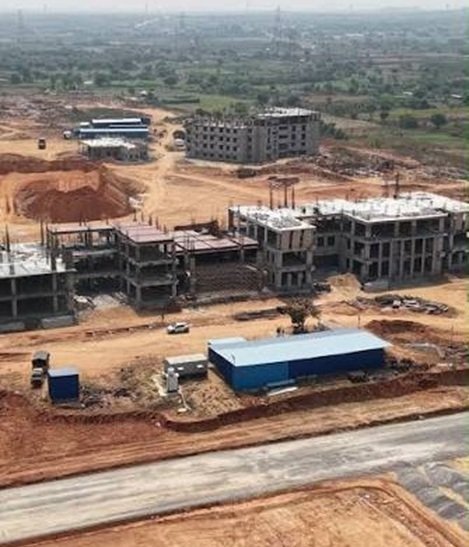
The work on the ground is picking up pace. So far, 86 of these schools are under construction, and permissions have been given for 19 more, which brings the count to 105 constituencies. Tenders for 78 are already finalised, and in August 2026, the government released Rs. 1,144.85 crore to keep the construction going.
Educational hubs with state-of-the-art amenities
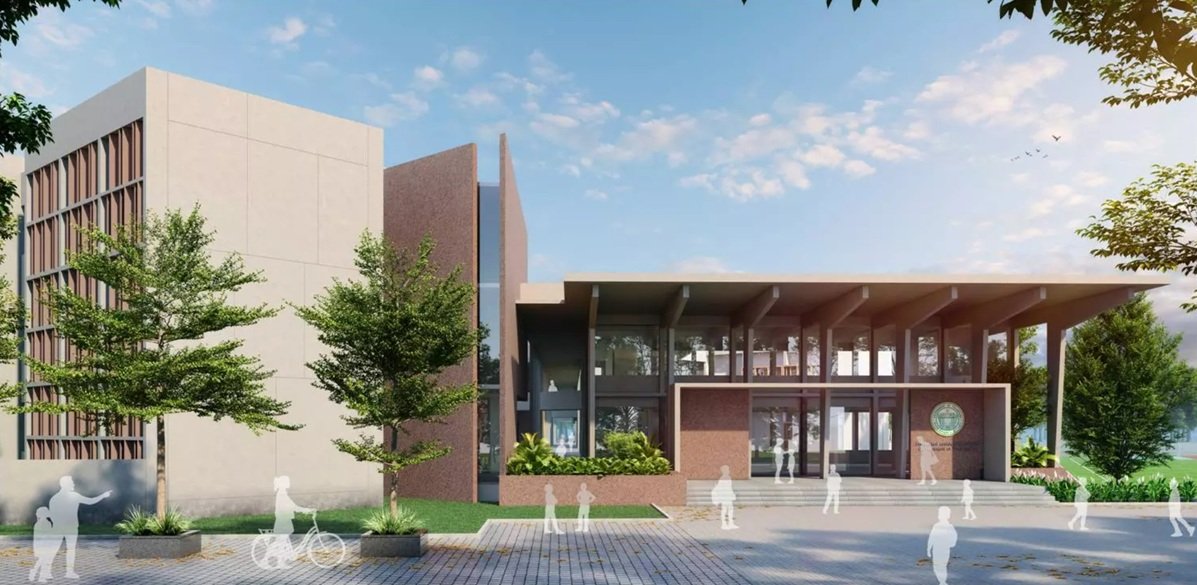
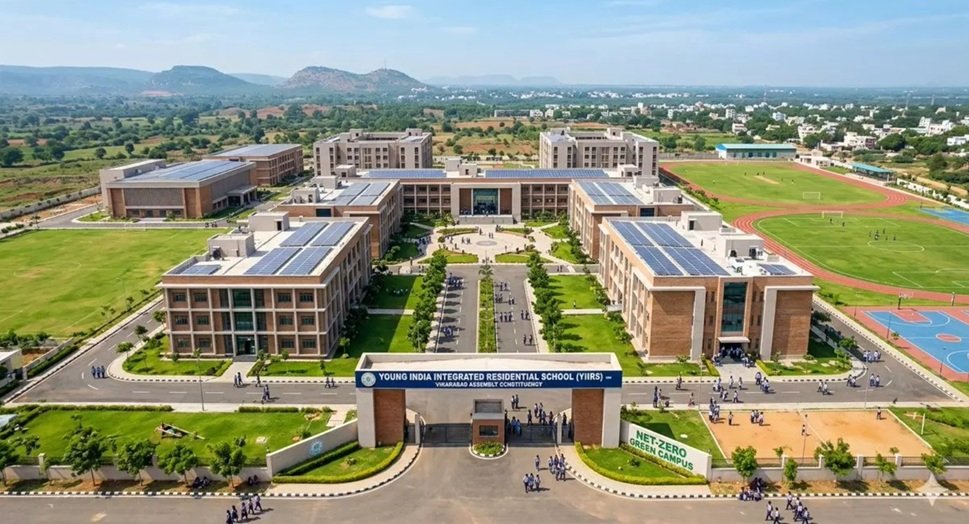
Each campus is designed to accommodate 2,560 students from Classes V to XII on 25 to 30 acres, and that is a big promise to keep. Across 105 schools, planned with an estimated construction cost of Rs. 21,000 crore, this works out to a capacity of nearly 2.70 lakh students.
The government also plans to make these campuses educational hubs for nearby government schools, allowing students outside the residential system to benefit indirectly from better learning facilities and academic resources. This hub-and-spoke approach is expected to extend the initiative’s reach well beyond the children living on the campuses.
These are not being planned as conventional hostel schools with classrooms attached. The proposed campuses will have modern science and technology laboratories, AI and STEM learning facilities, skill labs, digital classrooms, sports grounds, cultural spaces and residential accommodation.
The idea is to bring academics, practical learning, sports and extracurricular activities under one roof, giving students access to facilities that are often available only in better-equipped private institutions. The emphasis is on making quality education and opportunities less dependent on a child’s social or economic background.
Skills that lead to a job
The same thinking carries on after school too. The Young India Skills University began in borrowed space at the Engineering Staff College in Gachibowli, and its first courses were in logistics, health and pharma. Industry came on board early, with Redington pledging Rs. 7 crore for a logistics lab and Instamart agreeing to train over 5,000 young people.
The university’s Vice-Chancellor, V.L.V.S.S. Subba Rao, was upfront about pay and spoke of salaries between Rs. 20,000 and Rs. 25,000 a month. That may not sound grand, but it is a real first job for a young person, and that is exactly what the university is promising.
It’s early days, and the numbers are still growing. The initial plan was that students would be admitted across six courses in the first year, while the university’s website now lists 17 courses and 418 students. So, the course list has grown well beyond what was first planned, and with industry partners already in place, filling the seats looks like a matter of time.
High demand, limited seats
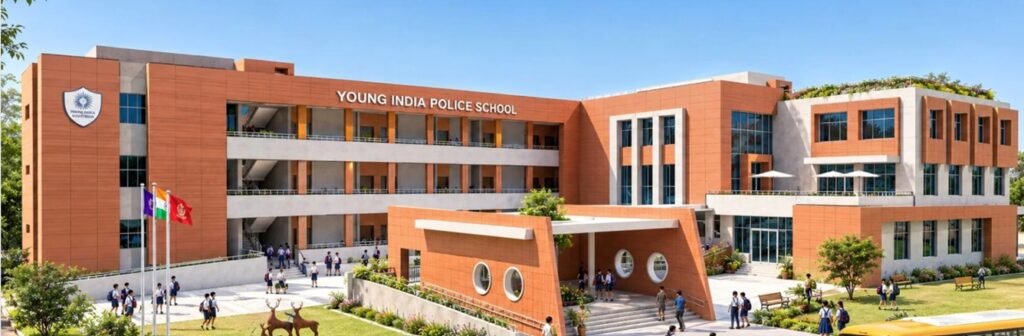
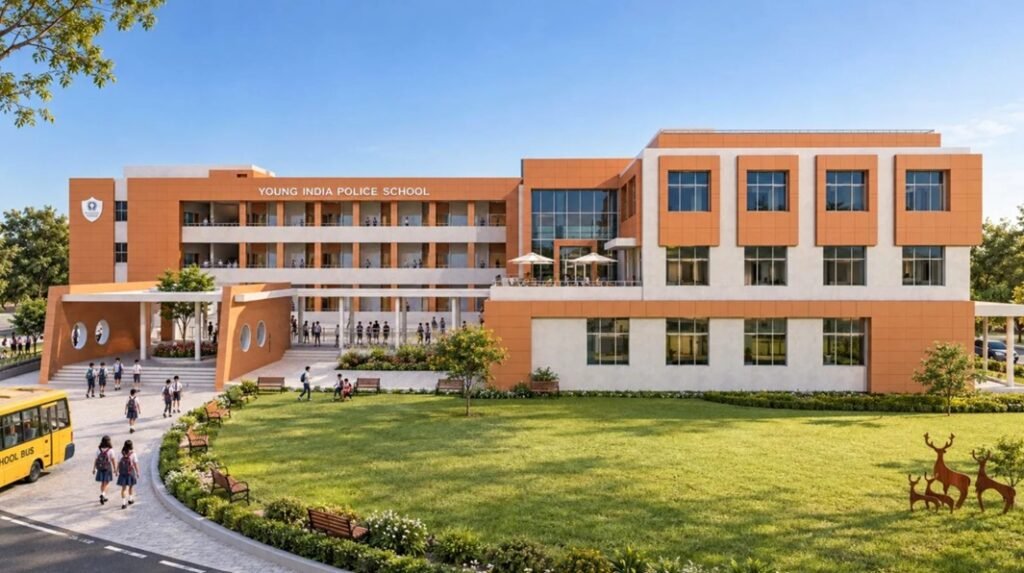
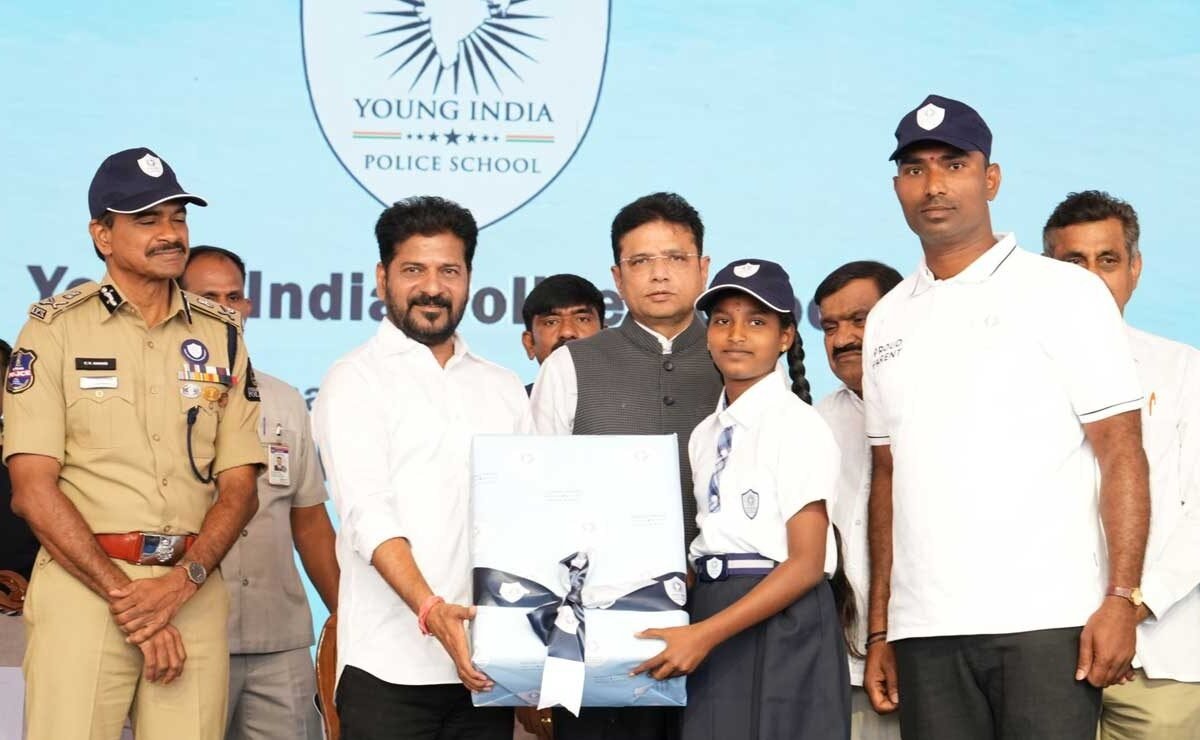
The Young India Police School is the one that has come furthest so far. In March 2025, C.V. Anand, who was Hyderabad’s police commissioner at the time, handed out the first 50 admission letters and said he was “overjoyed”. A few weeks later, on April 10, Chief Minister A. Revanth Reddy inaugurated the school at the Greyhounds Campus in Manchirevula, toured the classrooms and spent time with the students. Reminding everyone that the police school was “a promise in the election manifesto, the Chief Minister termed “Young India” his own brand, and said it should be developed on a par with Sainik schools, with the government giving the funds needed. He also said, “The future of the country lies in the classrooms.”
Half of the seats are open to civilian children, and families took to it quickly. Each class has 40 seats, and the demand was so heavy that admissions were decided by a draw of lots. Enrolment has now grown to 345 students up to Class VI, and the plan is to take it to 700 to 720 students and add classes up to Plus-2. Anand has said he wants it to become a “national model institution”. A school that opened only in April 2025 already has more children wanting in than it has seats for, which is quite something.
The big dream, being built
The sports university is the youngest of the four and is still taking shape. The idea grew out of a visit to South Korea, where 16 of the 32 medals won at the Paris Olympics went to athletes trained at the Korea National Sports University. Telangana wants a pipeline like that of its own.
On July 9, 2026, Chief Minister Revanth Reddy and IOA president P.T. Usha launched the Gachibowli Sports District along with the Young India Physical Education and Sports University. It is due to be up and running by December 2028 under a public-private model, with a promise of no government interference.
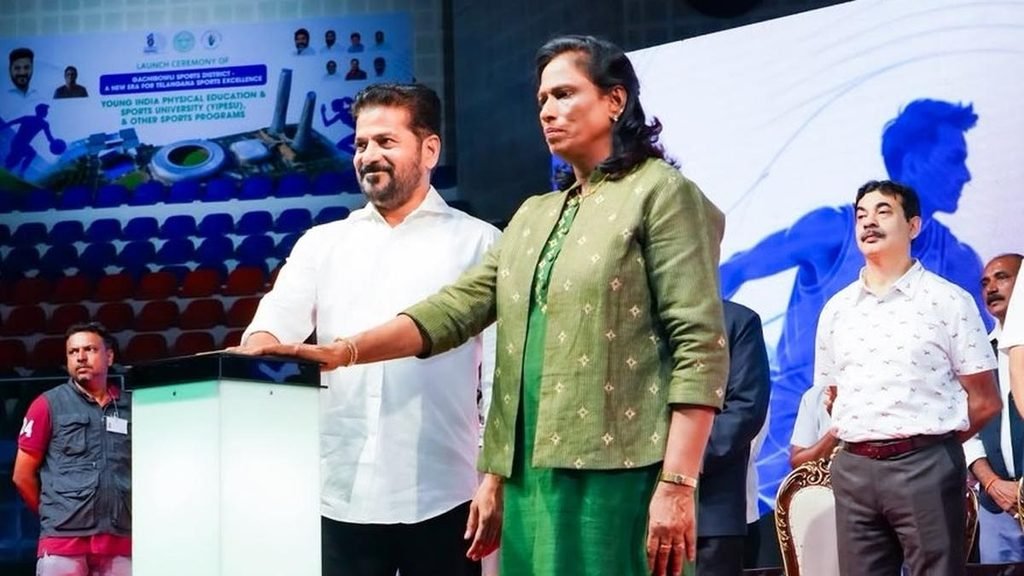
The Chief Minister also reminded people that stadiums built 23 years ago ended up hosting weddings and political events, and said the State wants to bring them back to life for sport.
Looking ahead…
Put together, the four Young India projects cover a young person’s whole journey, from the first day in a residential school to a first pay cheque. When the first batches walk out with jobs in hand, that will be the proof that the idea worked.