


Before the first seed goes in…
Somewhere in Nalgonda district, right around the last week of June, Ramulu checks his phone for the umpteenth time that morning. He’s waiting – not for a call from his son in Hyderabad but for a bank SMS. Six thousand rupees an acre, credited straight to his account, and it decides whether he sows on time or waits, borrows, and pays a moneylender hefty interest that would push him into the vicious debt cycle. Yet again!
This is not a hypothetical situation. This is what the Kharif season looks like now for roughly 73 lakh farmers across Telangana. It’s a huge number and it’s difficult to ignore. And it’s worth actually understanding what that number means before deciding whether Rythu Bharosa is working.
When support meets accountability
The scheme, launched on January 26, 2025, replaced Rythu Bandhu, and the difference between the two isn’t a simple or cosmetic name change. Rythu Bandhu paid Rs. 10,000 per acre on whatever land was registered, verified or not. Investigations later suggested that somewhere between Rs. 25,000 and Rs. 30,000 crore had gone out over the years to land that wasn’t even under cultivation.
Think about that for a second. This can’t be dismissed as an error. It was a policy of simply giving away money to people who never touched a plough, with absolutely no accountability. Rythu Bharosa tightened this. Payments now go only to land confirmed as actively cultivable, cross-checked through satellite imagery and the new Bhu Bharati land records system, which replaced the much-criticised Dharani portal in 2025.
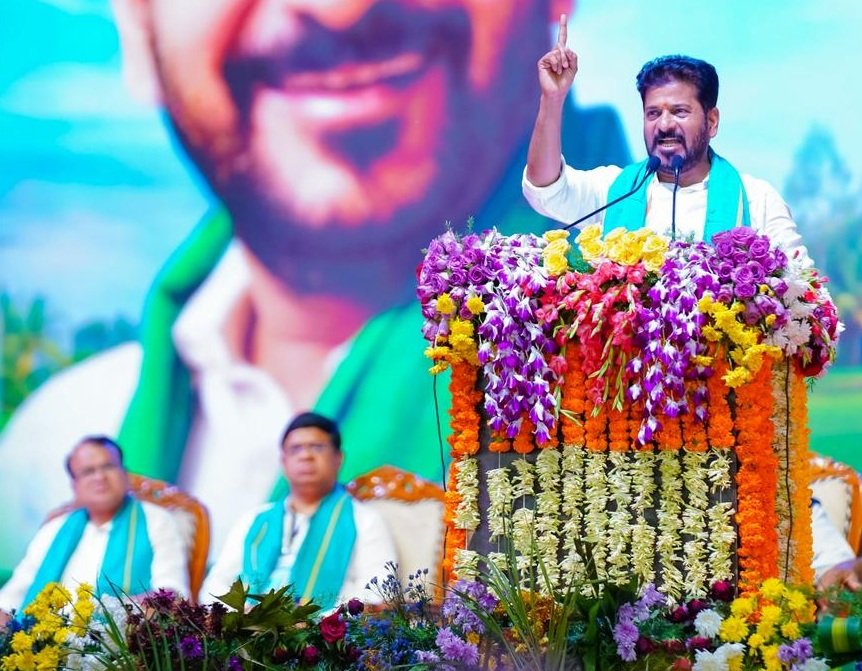
More money, better timing & wider reach
After the Congress government came to power, the disbursed amount was increased by Rs. 2,000. Words like Rs. 12,000 an acre a year, Rs. 6,000 each in Kharif and Rabi seasons, sound modest when you say it out loud and fast. But farming doesn’t run on such modest logic. It runs on whether you have cash in hand the week you need seeds and fertilizer, before the sowing window closes.
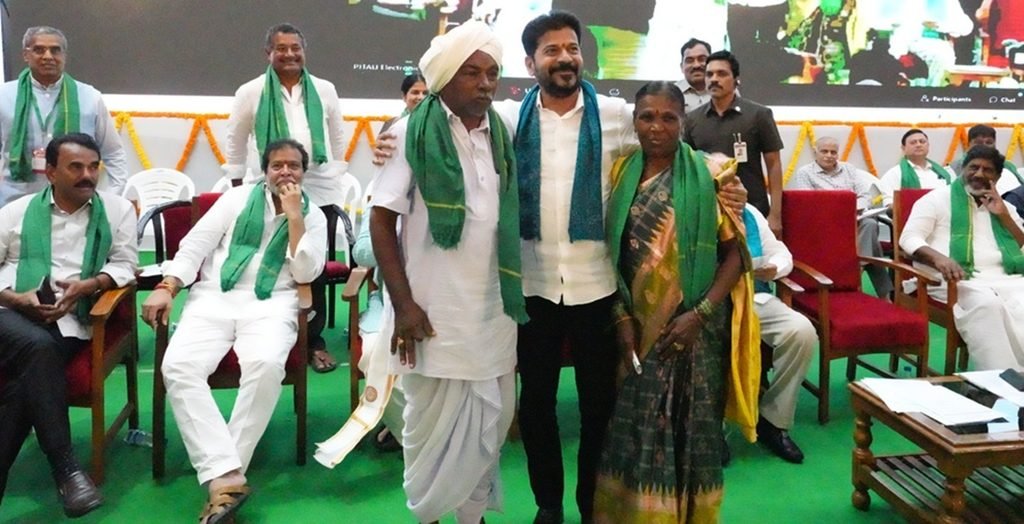
Now that’s a sound design philosophy there! When money arrives exactly when input costs hit, it is worth more than more money arriving late. Especially when the alternative for a lot of small farmers is informal credit at 24 to 36 per cent interest. Nobody can escape poverty by paying a whopping interest like that.
What genuinely deserves credit, though, is who the scheme decided to include. Landless agricultural workers who meet MGNREGA thresholds – usually ignored by most farmer welfare schemes in the country – also qualify now, through a
parallel structure. Tenant farmers, historically the most invisible people in Indian agriculture, are meant to be covered as well. This is no small gesture. It’s an acknowledgment that the person actually working the field and the person who legally owns it are often two different people, and that welfare policy built only around ownership leaves out the ones doing the actual labour.
The last-mile challenge
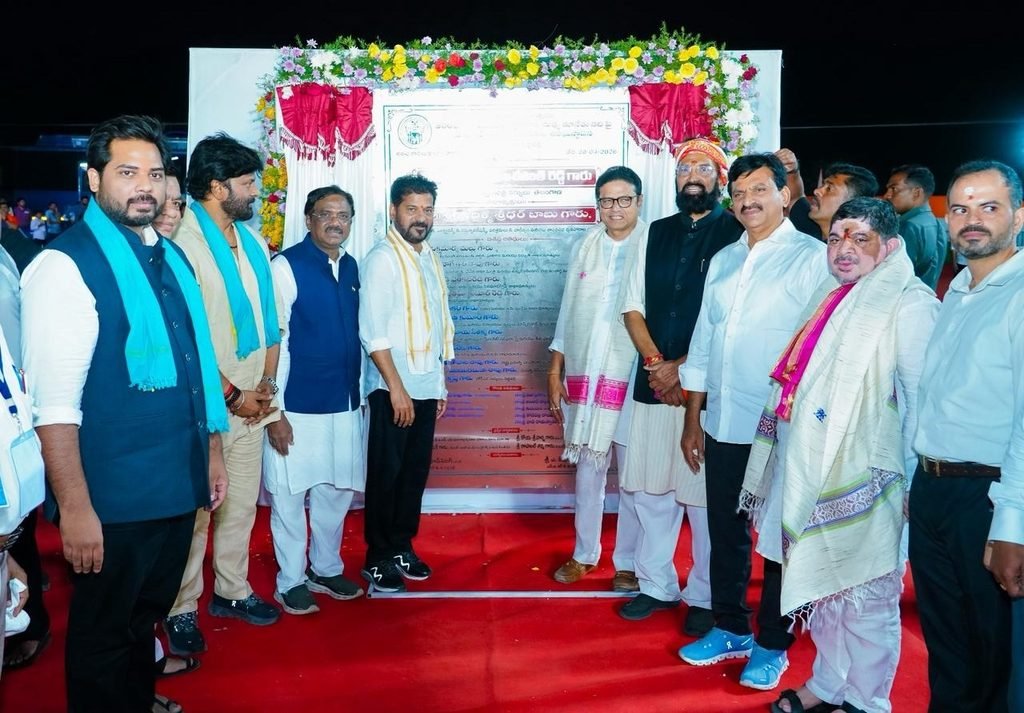
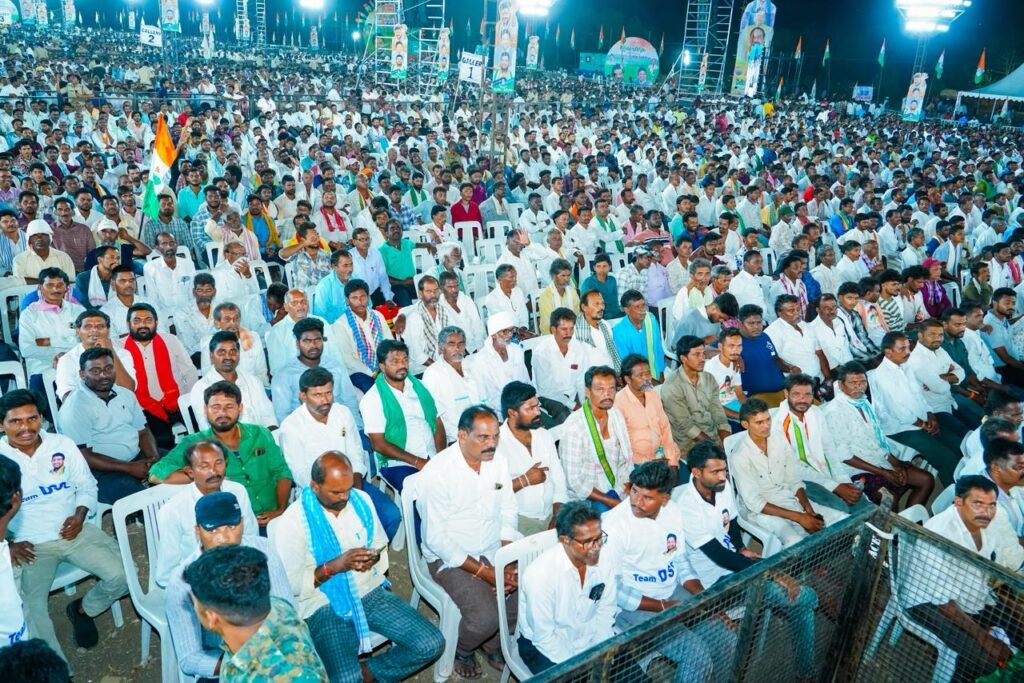
Now it doesn’t mean that the rollout has been smooth. Payments have come in phases, smallest landholdings first, which meant real (read longer) waiting periods for farmers with larger plots. Land record mismatches in Bhu Bharati have delayed payments for people whose Aadhaar wasn’t linked correctly or whose plot got misclassified. Outreach to landless workers, which sounds like a strong idea, remains thin in areas where MGNREGA penetration is already weak.
To put it plainly, this scheme pays farmers before the sowing window, and extends support to tenant cultivators and landless workers who were previously invisible to the State. Doing this is genuinely difficult, and getting the last mile right is even harder.
Tackling teething problems
The delays and verification headaches are real, and they need fixing. But they’re just teething problems that come with making the system robust, and can be easily surpassed with the right intention and effort.
The farmer in Nalgonda checking his phone doesn’t care about satellite verification protocols or Budget allocations of Rs. 18,000 crore. He cares whether the money is credited before he needs to buy seeds. For an increasing number of Telangana’s farmers, it does.
Rythu Bharosa, therefore, may not sound like a perfect scheme at this time but it surely is a working one, and is moving in the right direction – season by season!