

From neglect to renewal: The story of a river & its city
There is a generation of Hyderabadis who grew up hearing about the Musi the way you hear about a relative who was a name to reckon with in the family, through stories told with a certain longing in them. The river is credited with the city’s existence, as it has fed its farms, steadied its floods, and ran with clean, clear and pristine water making sure people built their lives along its banks. This was when the river was in its prime.
Today, the same Musi is spoken of in the past tense. Almost always! “It used to be…” “There was a time when…” As if the river had simply vanished without a trace – of its own accord.
That river is still there. But it looks like it just forgot what it was and what it used to be. Well, the bitter truth is it’s human greed that let the Musi dry up and reach its current state where it’s finding it hard to breathe, let alone recuperate.
Neglect of distress signals
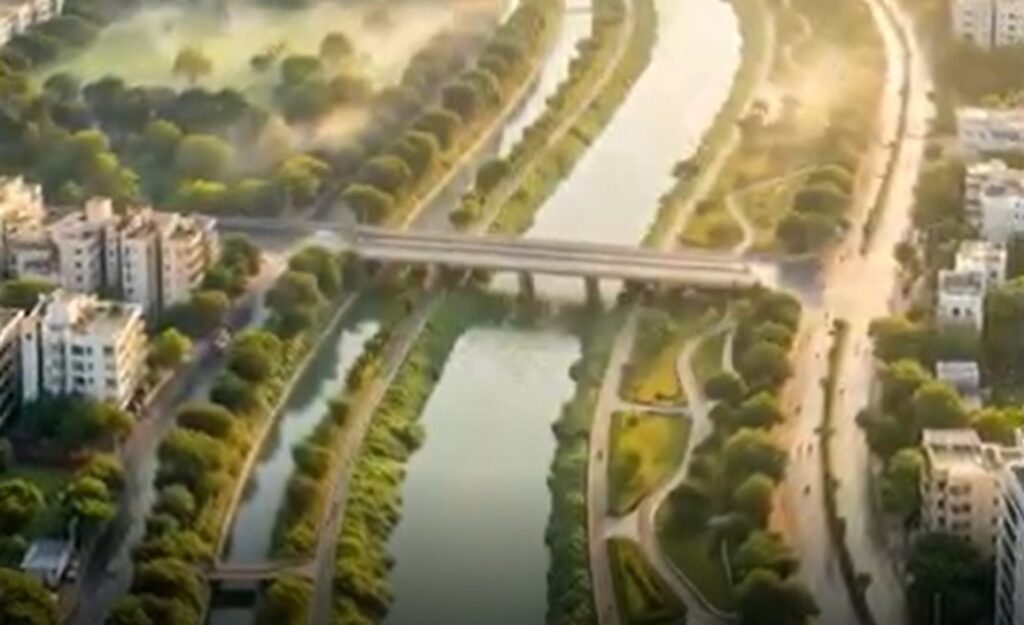
Once the Musi Riverfront Development project gets completed, the city will witness a river that is alive and ready to thrive, and give, once again!
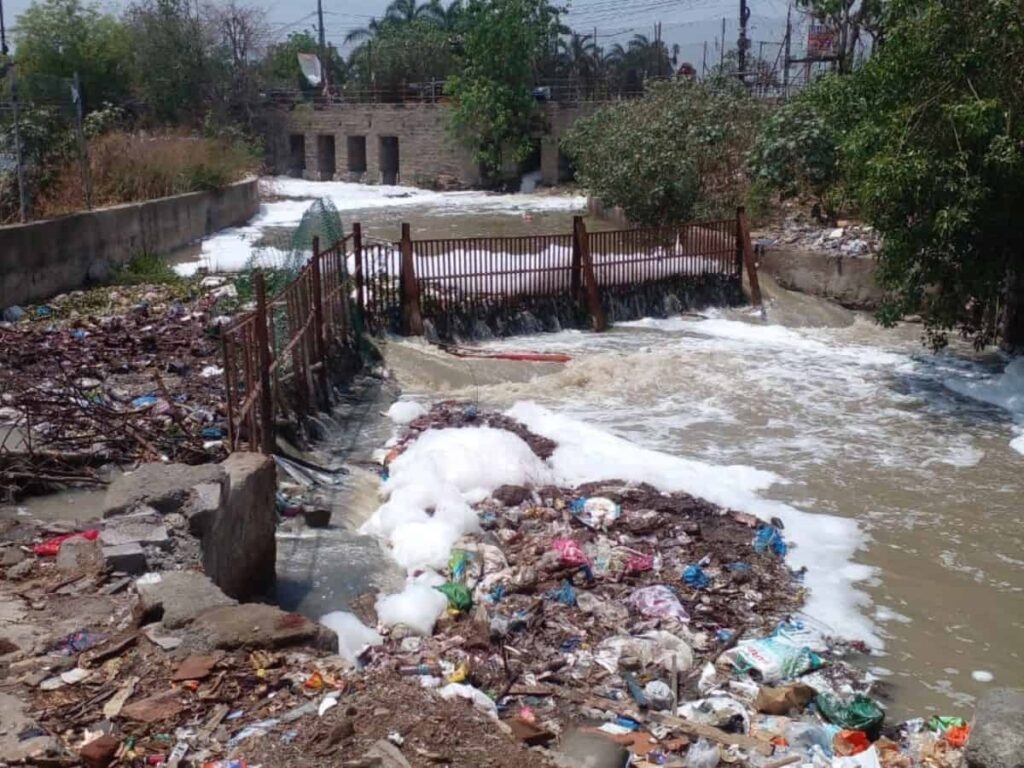
For decades, Hyderabad turned its back on the Musi. Not all at once and not with a single decision, but slowly… by neglecting its distress signals and turning a blind eye to its agonising decay. Construction crept toward the banks and encroachments swallowed the nalas while lakes that caught rainwater and passed it along were filled in for buildings and roads.
And without those channels, without those lakes, the water lost its way. Over time, a living and thriving system got destroyed, and lakes that fed the rivers, which, in turn, quenched the city’s thirst became something else entirely. This 55-kilometre drain became “a shame how we carried on”, and that burden and blame falls on a million households.
When the rains arrive now, Hyderabad stops in its tracks. Every monsoon becomes a nightmare and halts life as water rushes into low-lying streets, living rooms, and lives – destroying everything in its wake, the way it was destroyed. It wasn’t always this way, though! It got to this state because the city forgot that like all living things water, too, has a memory. It remembers where it was supposed to go. Block it long enough, and it will remind you as well!
A mission, a determination & an ambitious project
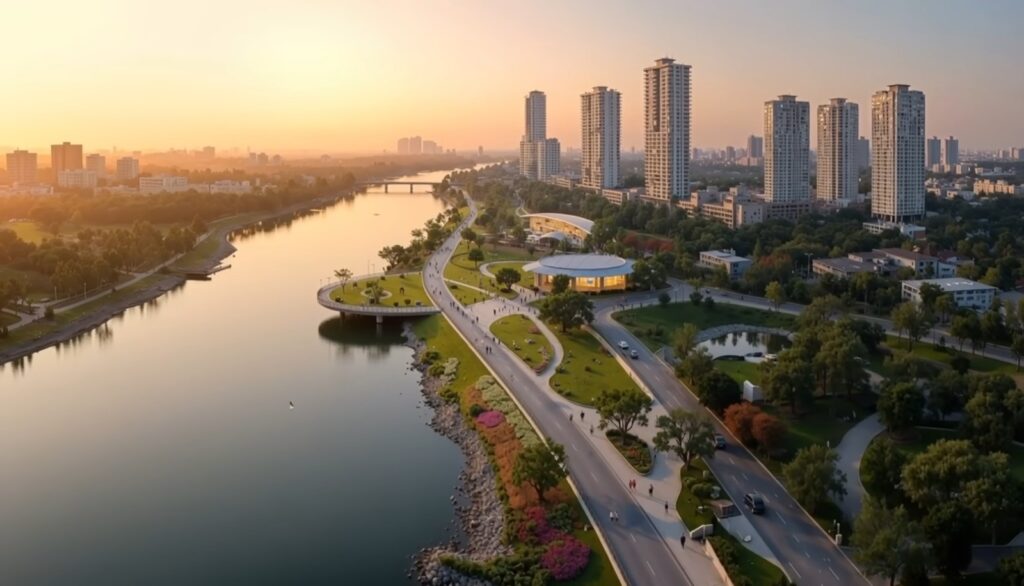
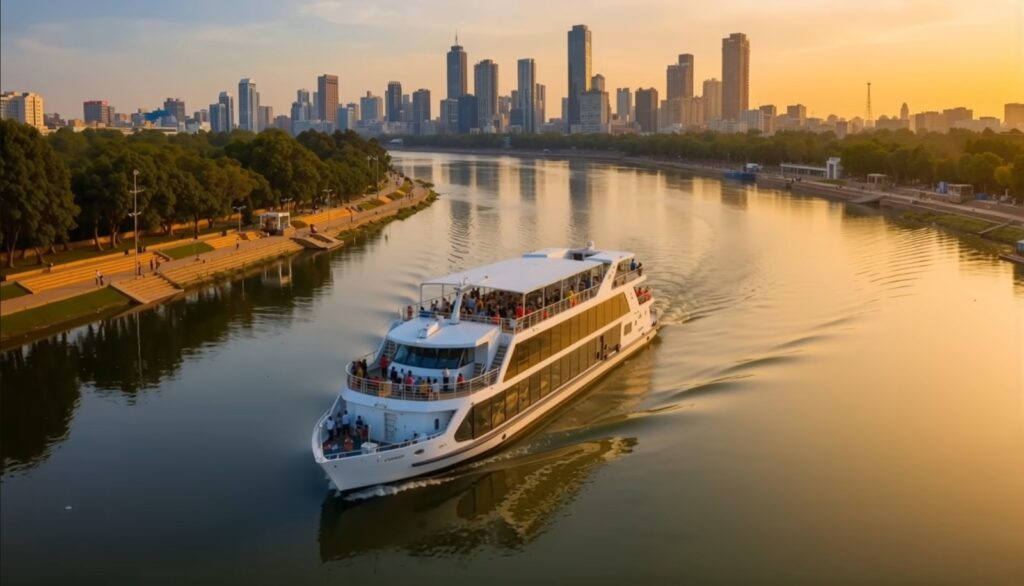
At this critical juncture enters the Congress government under the leadership of Chief Minister A. Revanth Reddy with his Musi Rejuvenation mission and a determination to make Hyderabad the ‘Bluest City’. This is an ambitious project of restoration of a river, of a system, and the idea is to trace the water’s old paths, reopen them, and let the city breathe again.
So, where does one begin with something this enormous? At the source, it turns out. Somewhere between Osman Sagar and Himayat Sagar – the two great reservoirs that cradle the city’s western edge – where the Musi takes its first steps.
Those 21 kilometres, stretching down to Bapu Ghat, form Phase I of the plan. Dredging the silted riverbed, intercepting the sewage before it enters the water, building 62 to 70 new sewage treatment plants to handle the nearly 1,900 million litres of wastewater the city generates each day.
None of it is romantic work. But, all of it is necessary.
Gandhi Sarovar & the Triveni Sangam
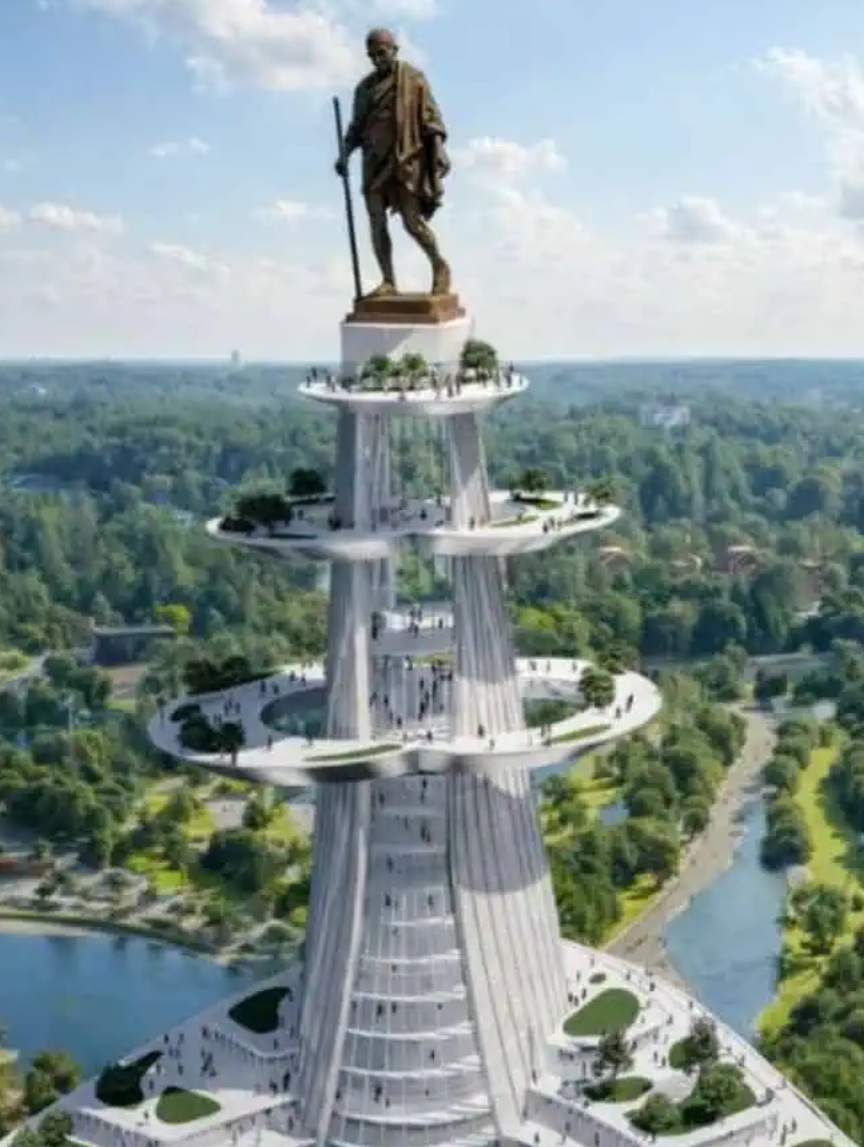
Near Bapu Ghat, where two streams converge and the river properly begins, something more symbolic is planned. Gandhi Sarovar, a 200-acre campus named in the Mahatma’s memory, is set at the very confluence where Himayat Sagar and Osman Sagar meet. The Godavari will be linked here too, 2.5 TMC of water diverted to keep the Musi flowing even in the dry months, making it a kind of Triveni Sangam with three waterbodies becoming one.
The full vision stretches all 55 kilometres, from Gandipet to Gowrelli.
- 14 new and upgraded bridges
- 43-kilometre east-west corridor
- Embankments strong enough to hold a once-in-a-hundred-years storm
‘Restoring an identity’ & role of MRDCL
The Musi River Development Corporation Limited (MRDCL), formed specifically for this purpose, is working with the Asian Development Bank (ADB), which has approved a loan of approximately Rs. 4,100 crore to fund the early phase, and the Central government’s river conservation programmes. The total investment during the Phase I restoration is expected to reach around Rs. 7,000 crore.
But this is not only an engineering project. It cannot be. Because rivers are not infrastructure. They are identities. The Musi is where this city came from. Hyderabad did not build itself beside a river by accident; it built itself because of the river. The water gave the city its farms, its trade routes, its rhythms, its stories. Chief Minister Revanth Reddy has spoken of the Musi’s restoration as “an important step in Hyderabad’s future development”. And while that is true, it perhaps undersells it as this is also about a city “remembering itself” – how it started and where it reached.
Bringing a river back to life
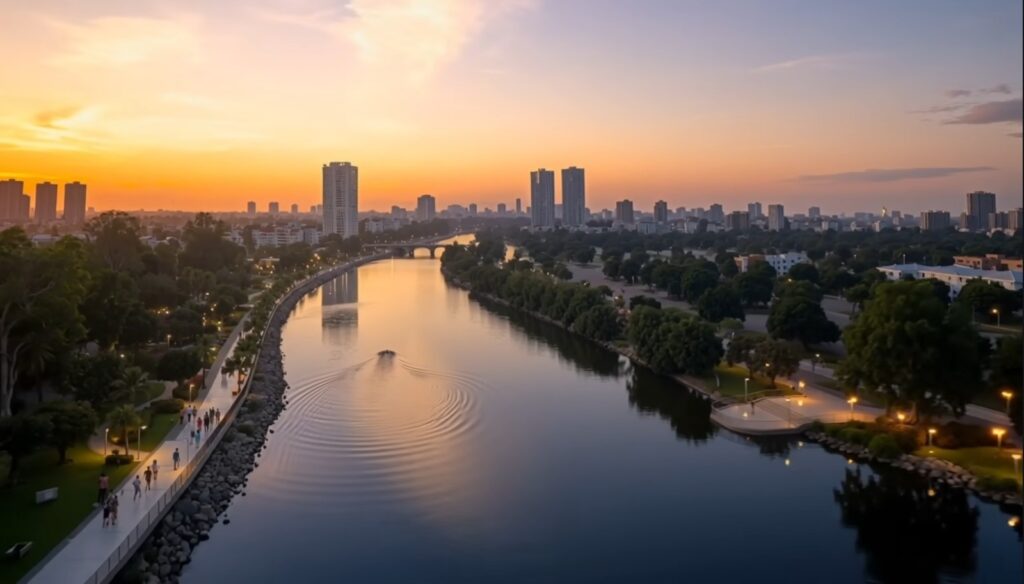
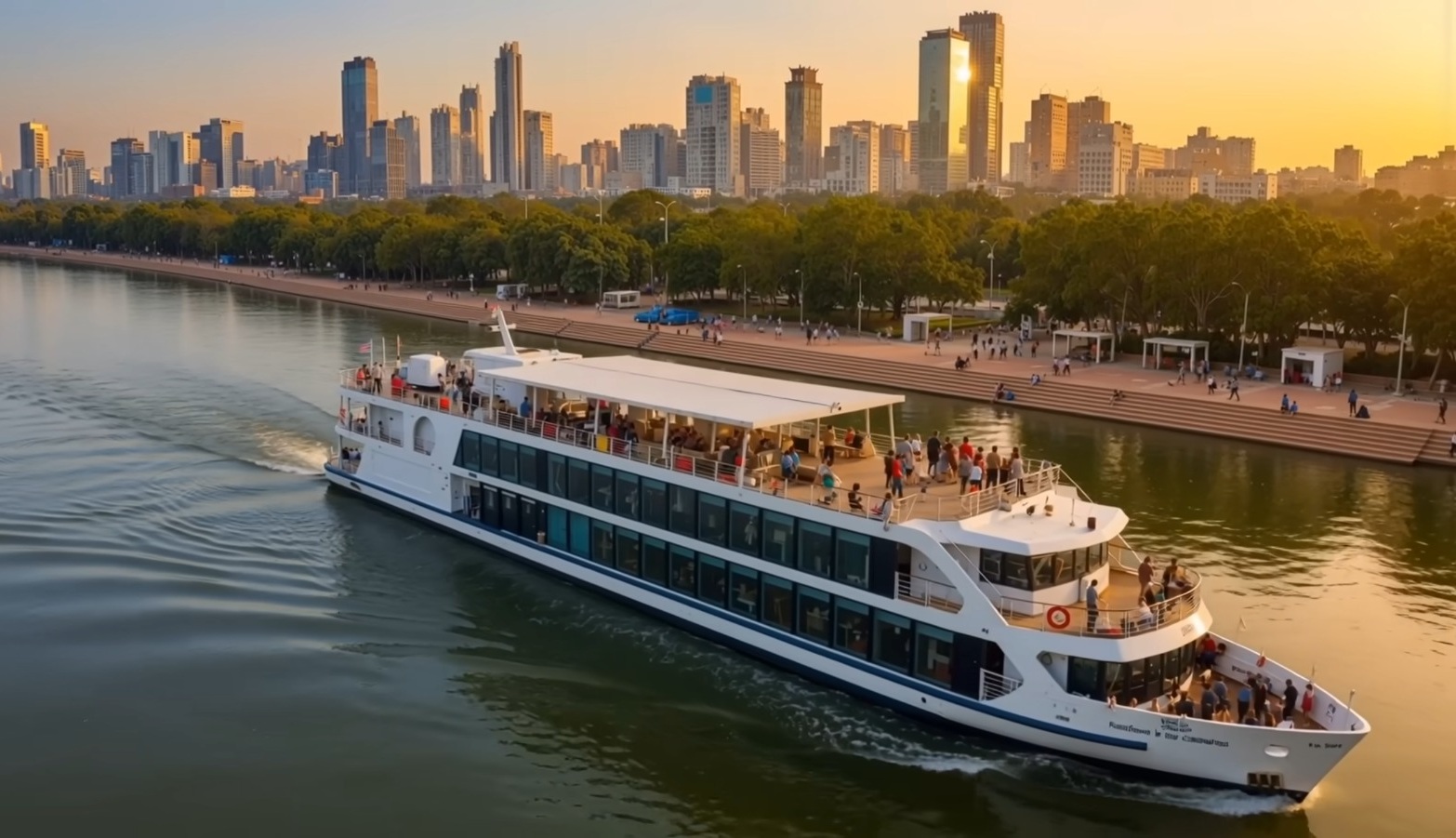
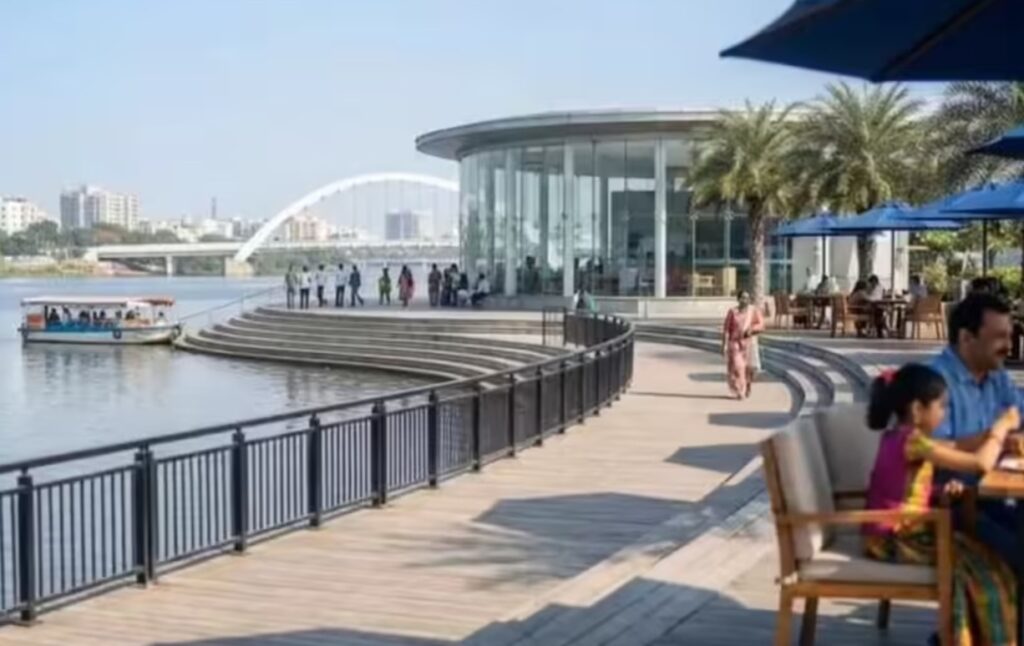
When the river is clean again – and the plan envisions it genuinely clean, not just “less polluted” – its banks will come alive, bringing back the forgotten days of yore with parks, walking paths and open green edges, cafes, cultural spaces and places for people to simply sit by the water enjoying the view.
Stretches of the riverbank would stay lit and busy after dark, creating work, drawing visitors and tourists, giving younger generations something that older ones still carry in memory. The pleasure of a river in the evening light… Get the picture?
Seoul did it with the Cheonggyecheon. London did it with the Thames. Paris, Singapore, Ahmedabad – each of them, at different moments, made a conscious and decisive choice to restore what had been lost. Each of them found a river and brought it back to life. And now, that river gives something back to the city in return.
This is the moment…
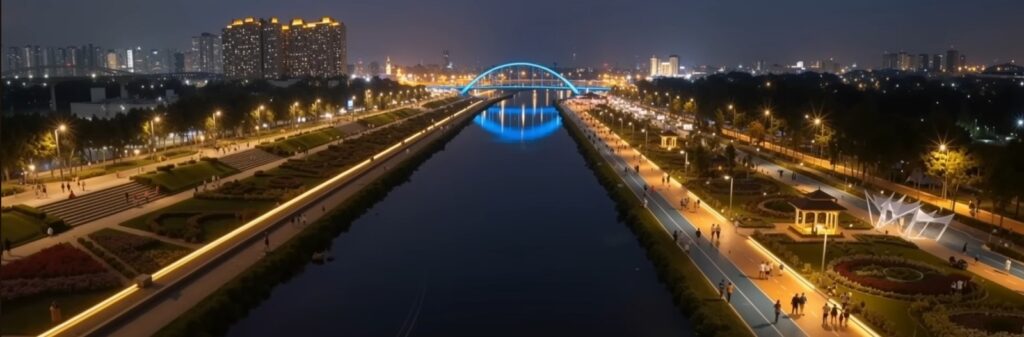
Hyderabad is at that moment now.
Because… the Musi didn’t disappear. It has just been waiting patiently – around the corner – for someone to take note and act! Under the sewage, silt and decades of indifference, the river still remembers how it thrived once – full of life and life-giving at the same time. The city is finally beginning to remember too.