
Deals, deadlines, and a new kind of confidence
Davos is usually where nations and CEOs speak in “big words, bigger promises”, amid the “global leadership” banners hovering in the background of every deal, and every handshake.
But Telangana’s Davos 2026 story didn’t feel like that.
It felt like the State sauntered into Davos with a plan in its pocket, and timelines and follow-up schedules in its planner.
For Telangana wasn’t treating the World Economic Forum (WEF) 2026 like a once-a-year photo- op. The city and the venue were treated with the respect that a working meeting deserves. Davos was, as Telangana saw it, a place where you introduce yourself, explain what you want, what you can build, and how fast you can move once the doors open.
A State that stopped ‘seeking attention’ & started commanding it
Over the last year, Telangana’s outreach has changed shape. The December 2025 Global Summit in Bharat Future City set the tone for what was to come. And Davos carried it forward. Together, they read like two connected chapters of the same story. While one was built at home, the other got validated on a global stage.
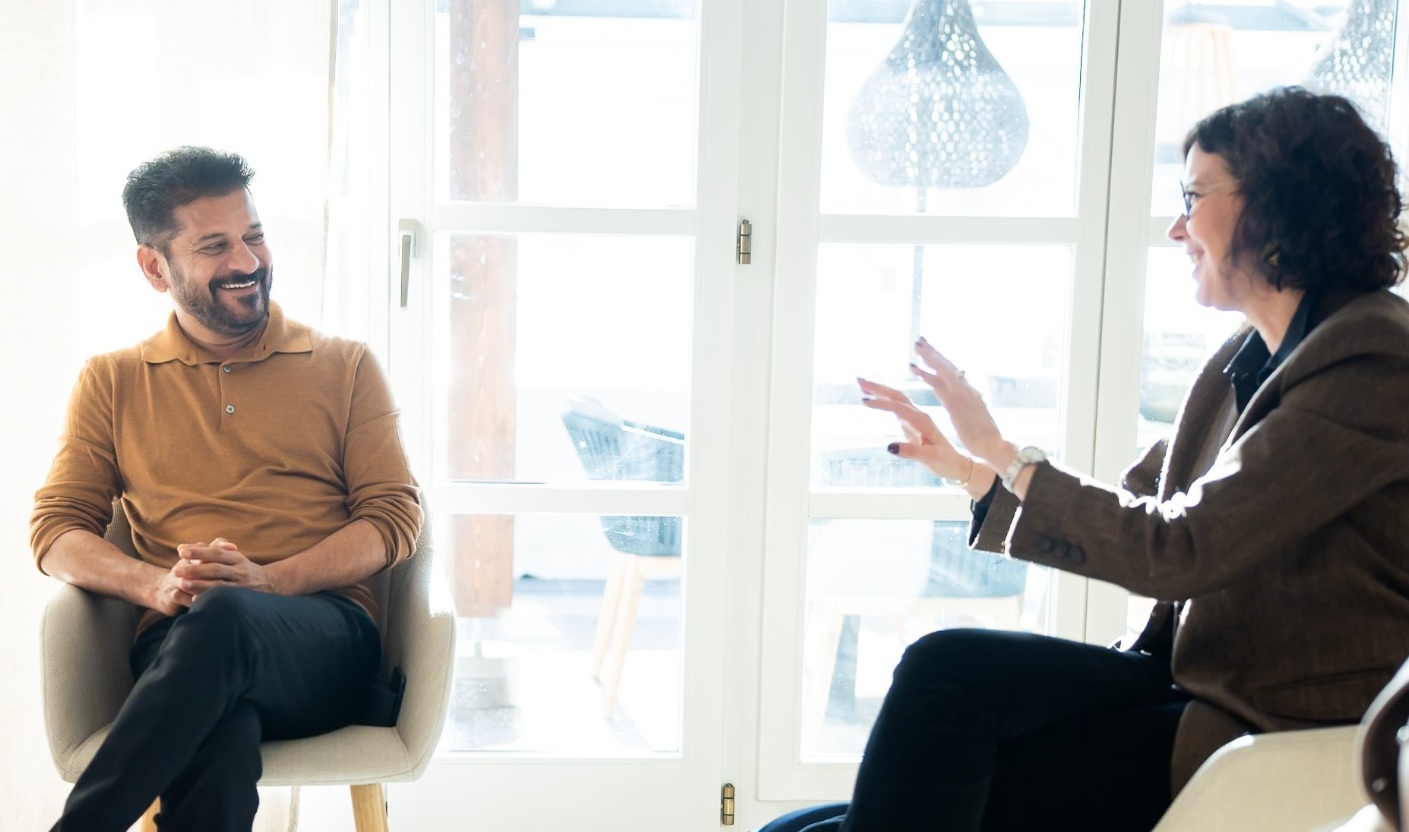
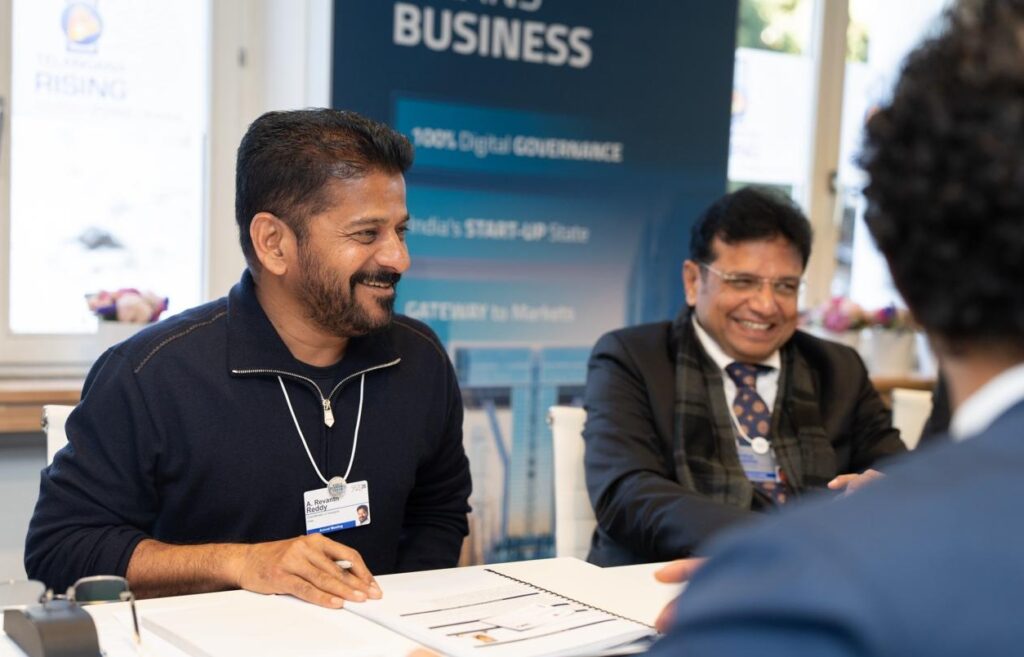
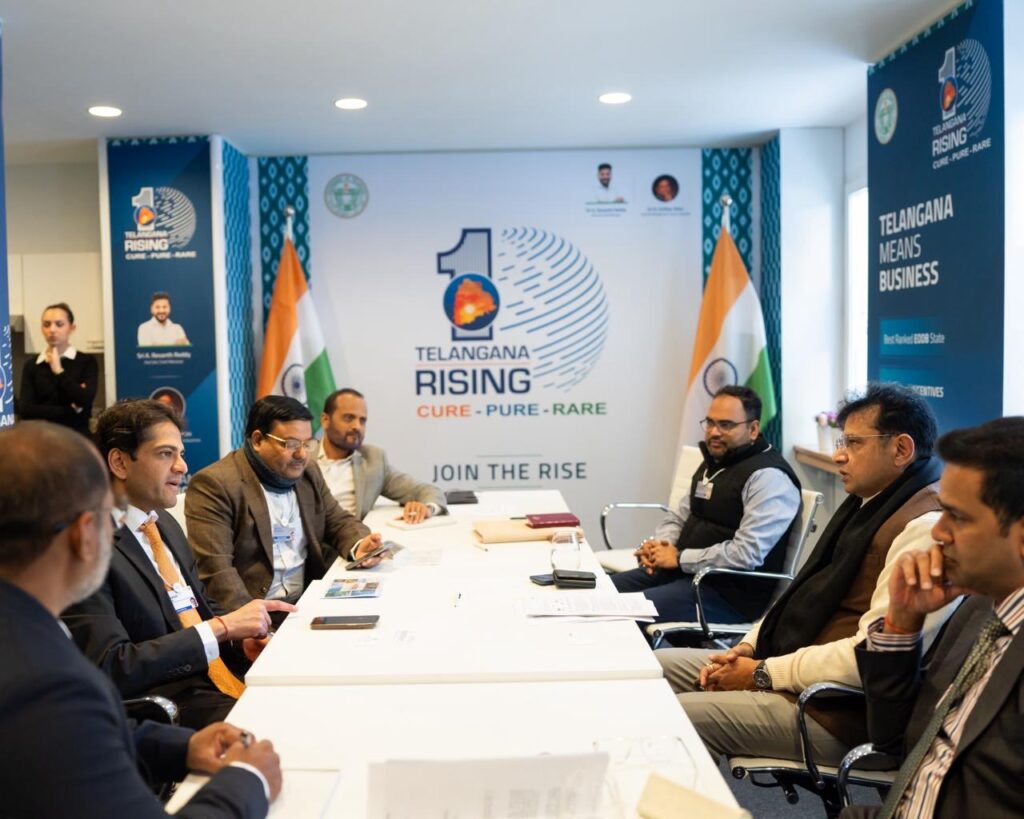
At the WEF 2026, Chief Minister A. Revanth Reddy pitched Telangana as a “working ecosystem” where technology, manufacturing, clean energy, and skilling don’t operate in silos. They complement, and strengthen, each other.
And that’s why the State’s presence at Davos wasn’t “symbolic”. Quite the opposite, in fact! It came across as a well-thought-out strategic move.
Deals that carried weight & significance
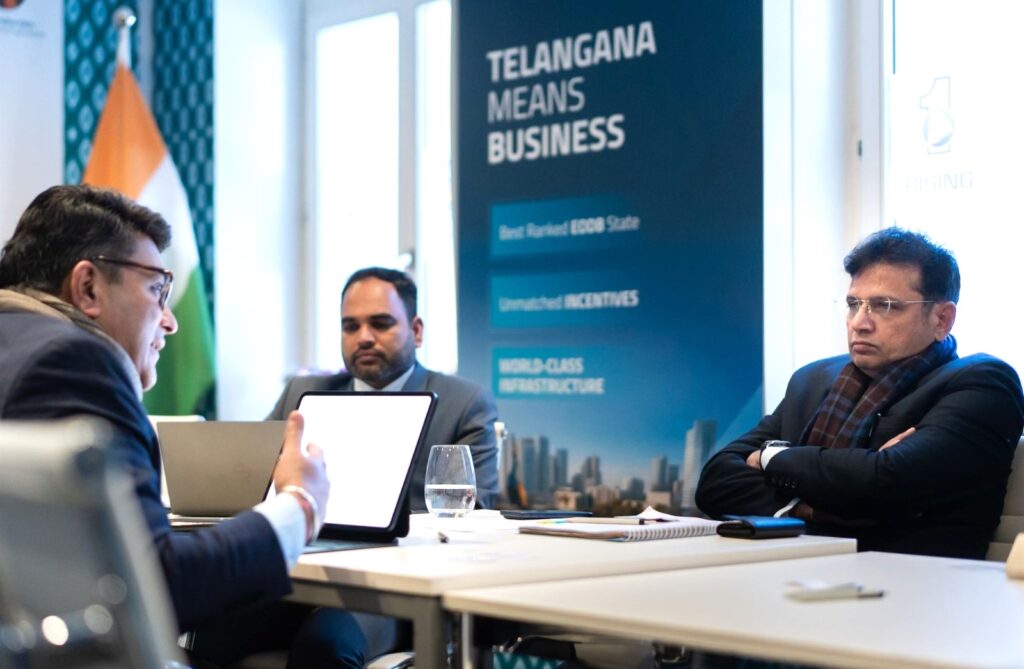
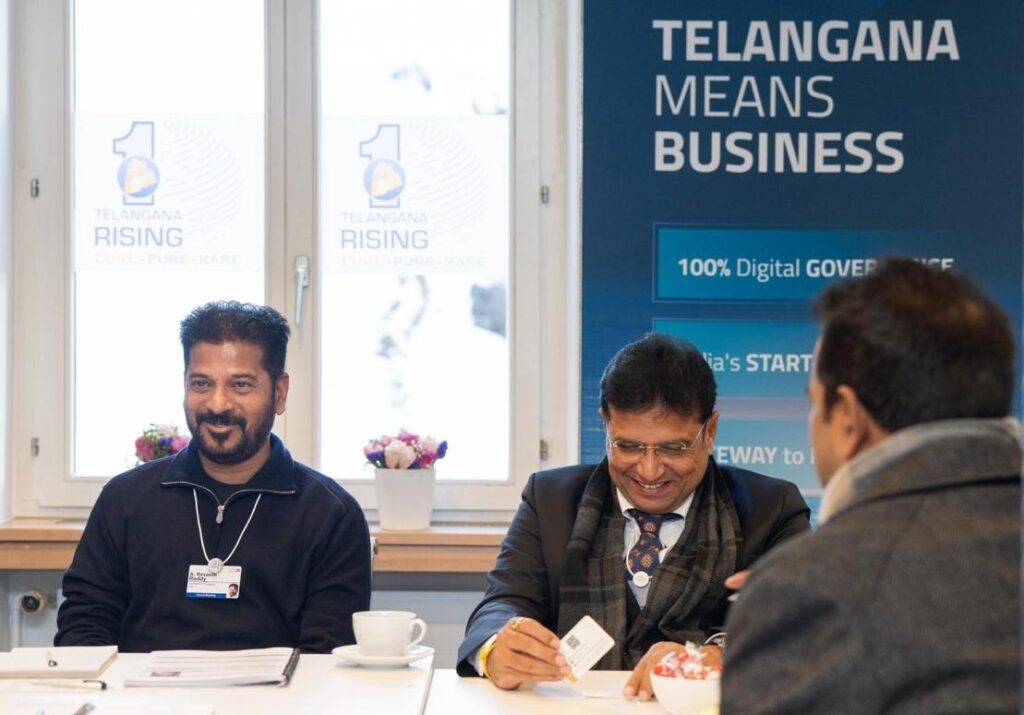
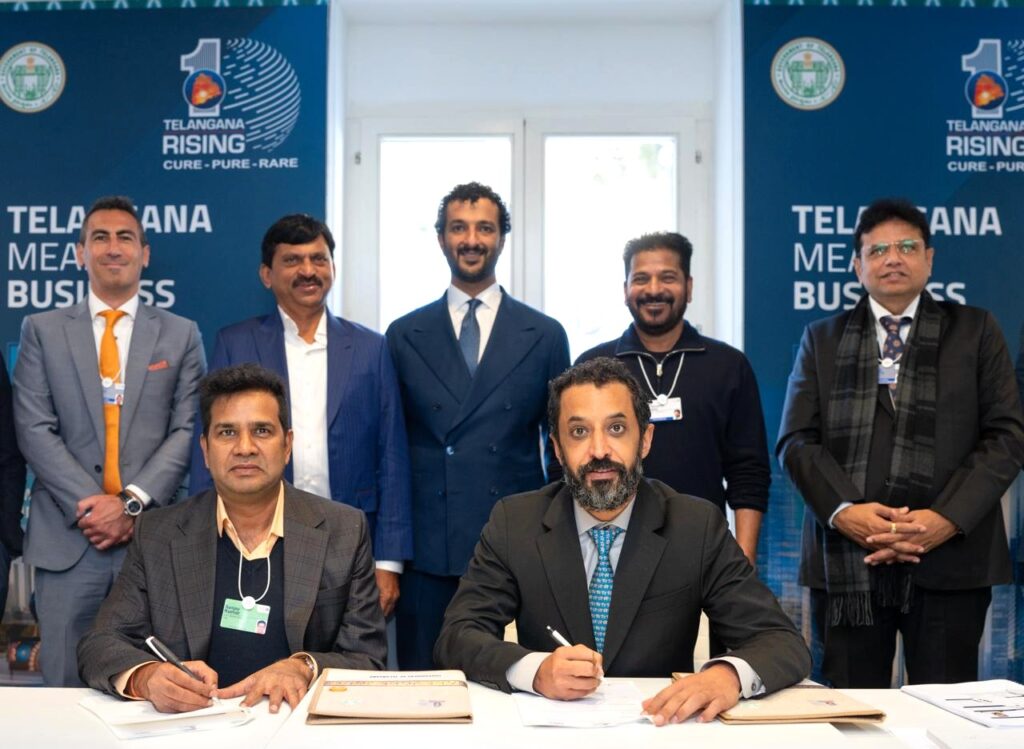
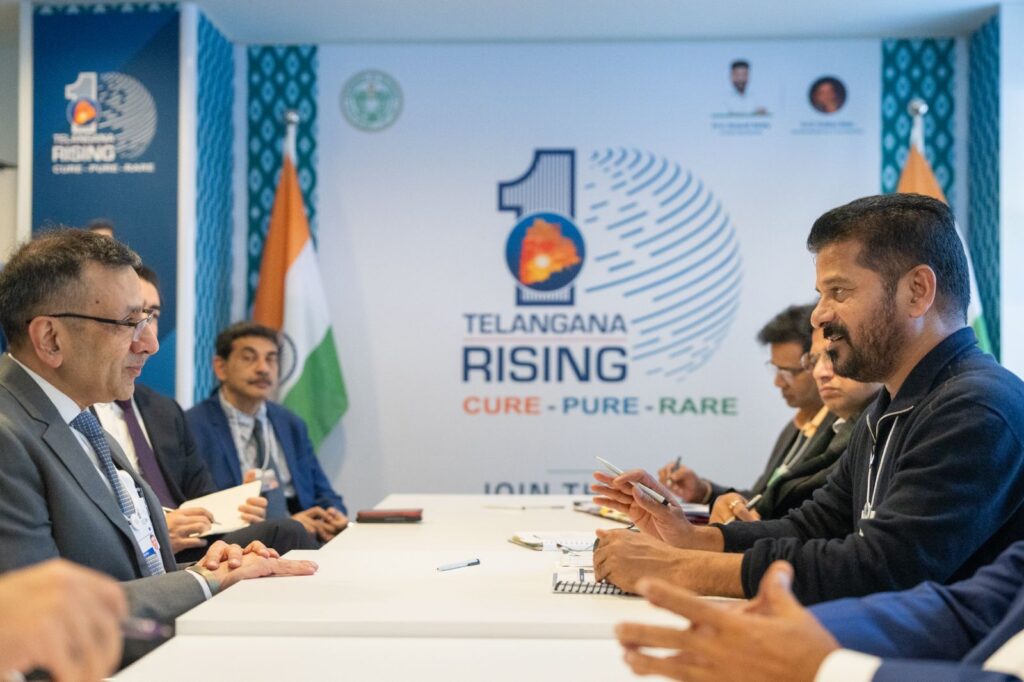
The investment announcements around Davos were not small. And they were certainly not scattered.
Take for instance, the Rs. 5,000-crore AI-ready data centre proposal by UPC Volt. Planned for the upcoming Bharat Future City, built around a 100 MW facility, it is designed to run with renewable sourcing. In a world where AI needs both compute and energy security, this project shows that Telangana wants to host “the engines that will run the economy for the next few decades”.
Then came Rashmi Group’s Rs. 12,500-crore steel plant proposal, adding weight to Telangana’s manufacturing narrative. Steel may not sound glamorous, but it lays a strong foundation for infrastructure, industrial growth, and supply chains that make an economy feel real in the real world scenario.
Alongside that was Schneider Electric’s Rs. 623-crore expansion, which proved that Telangana’s industrial story just got bigger and better.
And the list had another headline-maker – L’Oréal’s Beauty-Tech GCC proposal. A first-of-its-kind global (beauty) capability centre that found its way to the hub of GCCs, Hyderabad, tying digital transformation and high-skilled jobs to global deployment of solutions.
Put together, this mix tells us that Telangana is no longer being seen only as a “services State”. It is being evaluated as a State that can carry industry + innovation + execution on its capable shoulders.
More than MoUs: A quick follow-up plan
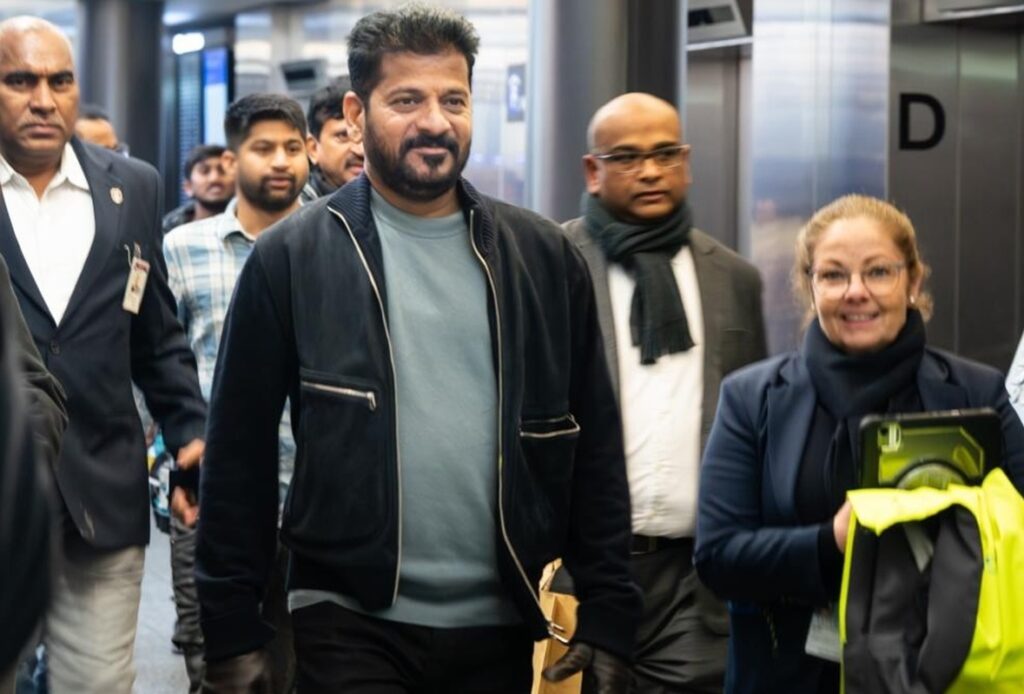
Among all the announcements, perhaps the most telling move came from a simple observation made in Davos: “One year is too long to wait for follow-ups.”
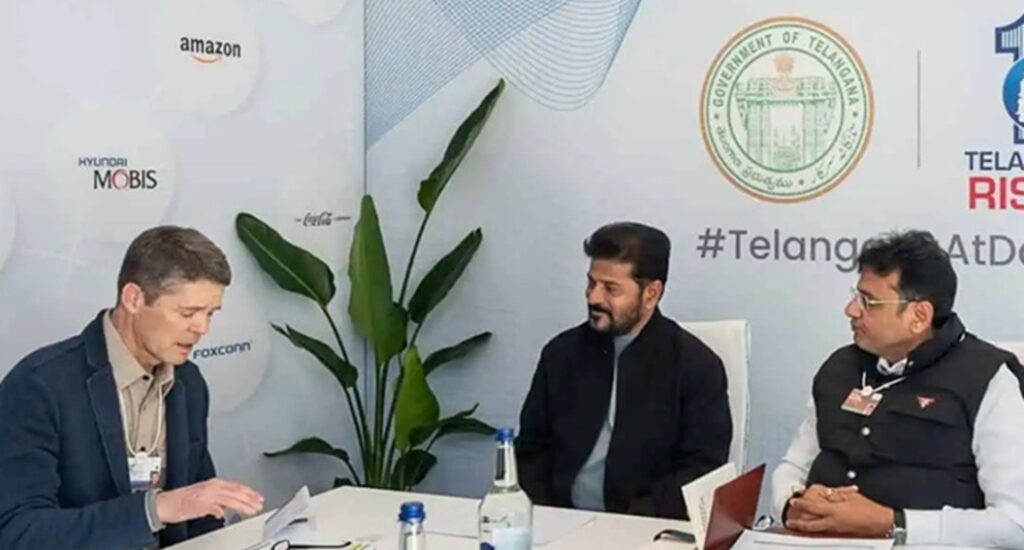
Chief Minister Revanth Reddy’s proposal to host a WEF follow-up forum in Hyderabad every July or August is not all about “nice hosting opportunity”. It is a new way of engaging with companies, and nations, economically, and converting “interest” to “investment”.
Recognising that time is precious, it spells out realistic goals to investors by making decisions around projects that don’t have to wait for Davos, and bringing another calendar year closer to targets. If Telangana wants speed, it must build a rhythm that matches global capital in modern day.
A mid-year forum in Hyderabad also flips the direction of travel. Instead of Telangana only going out to the world, it invites the world to come closer so it can see the sites, the corridors, the teams, the on-ground readiness, and experience the State’s vision first-hand.
Bharat Future City & the three-zone strategy
Telangana’s Vision 2047 pitch has an important structural backbone in the way the three zones – CURE-PURE-RARE are clearly mapped out. Services, manufacturing, and the green economy placed in their natural zones instead of forcing one model to fit every region or district.
And then there is Bharat Future City, imagined as a new smart city spread across 30,000 acres, with a major part reserved as green cover. It is being envisioned and developed as a hub for research-led industries – from IT and pharma to aerospace and defence manufacturing – but with an eye on sustainability.
This matters because investors are not only asking “where is the market?” anymore. They are asking “where is the capacity?” So, Telangana is making sure that land, energy, talent, approvals, and the government stay available long after the conversations fade.
So, what does Davos 2026 mean for Telangana now?
In the short term, it equals confidence.
In the medium term, it sets expectations – whether it is for investment inflows, or the kind of development the State must now deliver:
- Building data centres that got announced
- Manufacturing expansions that translate into supply chains
- GCC jobs that create local spending power
- Clean energy projects that match the State’s own scale ambitions
And in the long term, it leaves the State with a bigger question. “Can Telangana deliver and turn global promises into visible local change?”
What does all this mean for jobs back home?
Quite a lot, actually. The Davos MoUs and investment interest point to work that will show up on the ground in phases. The real test of Davos, however, is not the big number of Rs. 29,000 crore printed at the end of the trip. The real test is whether these commitments become jobs, vendor ecosystems, and economic spillovers that can make paper work viable.
Projects like the UPC Volt AI-ready data centre, planned for Bharat Future City, are expected to create 3,000+ jobs during construction and 800+ jobs during operations, while expansions like Schneider Electric’s manufacturing facilities add factory-floor roles, vendor opportunities, and technical positions linked to automation and energy management.
Add to that the GCC pipeline and the growing focus on AI skilling, and the ripple effect becomes clear. Expect, over the next couple of years, more hiring in engineering, cybersecurity, data operations, logistics, construction, and services not just in Hyderabad, but, gradually, across Telangana’s next growth zones too.
Next steps are simple, but hard too!
If the State wants Davos 2026 to be remembered as a turning point, the next two years must look like this:
Faster conversion of MoUs into ground-breaking projects
- Single-window approvals are useful but timelines are what investors remember.
Visible progress in Future City & industrial zones
- The map must become roads, utilities, and spaces that are ready to plug in.
Talent pipelines that match AI + manufacturing demand
- Job-ready skills, not degrees, that fit the next wave of work.
A real July follow-up culture
- It should not be a one-off event but become a habit with review, hurdle clearance, and delivery.
Davos gave Telangana a bigger stage. But, more importantly, it gave it a louder spotlight.
And now, the State has to do what it has promised the world it can do: build steadily and at speed until plans turn into roads, buildings, and jobs.