

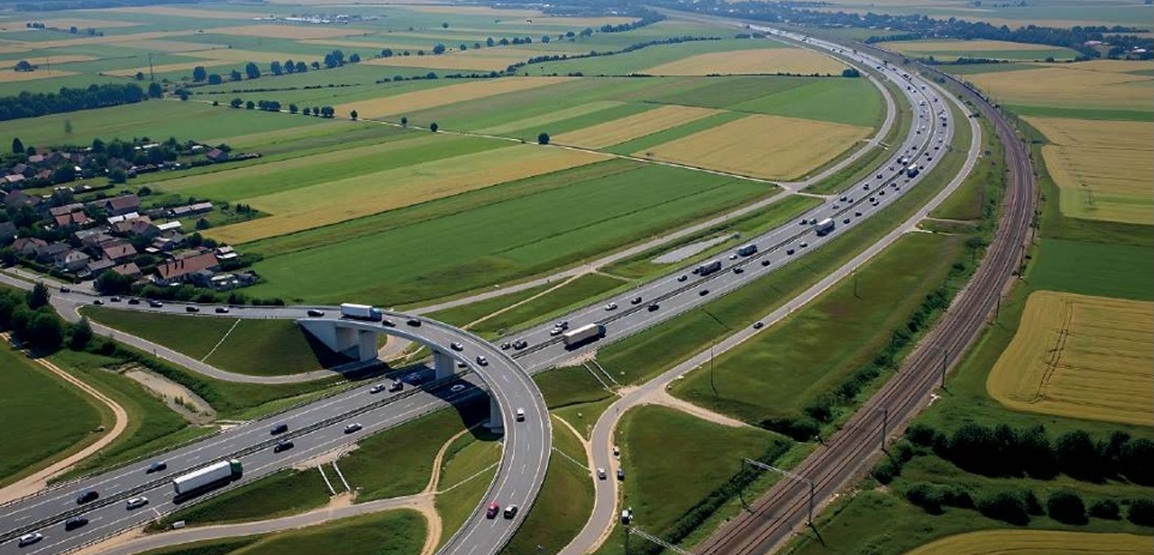
A State drawn closer by design
On some mornings, if you drive out of Hyderabad just as the city is stretching awake, you can almost see the transition happen. Flyovers give way to open fields. Apartment blocks slowly make way for smaller homes. Roadside tea stalls replace glass-front cafés. Yet what has always been striking about Telangana is this: The distance between its cities and villages has never felt permanent. It was only a matter of connectivity – nothing that better infrastructure couldn’t fix.
Now, the State appears ready to shorten that distance in a decisive way.
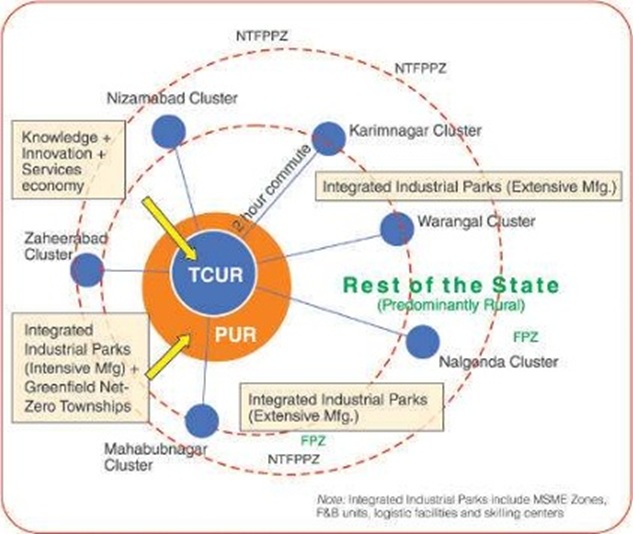
The “spatial planning” framework guiding Telangana’s long-term growth is not only about building roads or laying tracks. It is also about reworking on the logistics around movement of people, production, and prosperity. At the centre of this thinking lies the CURE–PURE–RARE development model. It is a reflection of the government’s approach that recognises cities as engines of innovation, peri-urban regions as bridges of expansion, and rural areas as powerful contributors to the economy.
For years, development in many regions followed a familiar pattern: one dominant city pulling talent inward while smaller towns watched their young leave in search of opportunity. Telangana is attempting something different and more balanced. The State aims at a polycentric structure where several urban clusters grow together, connected by strong mobility networks and shared economic momentum.
The road that brings regions closer
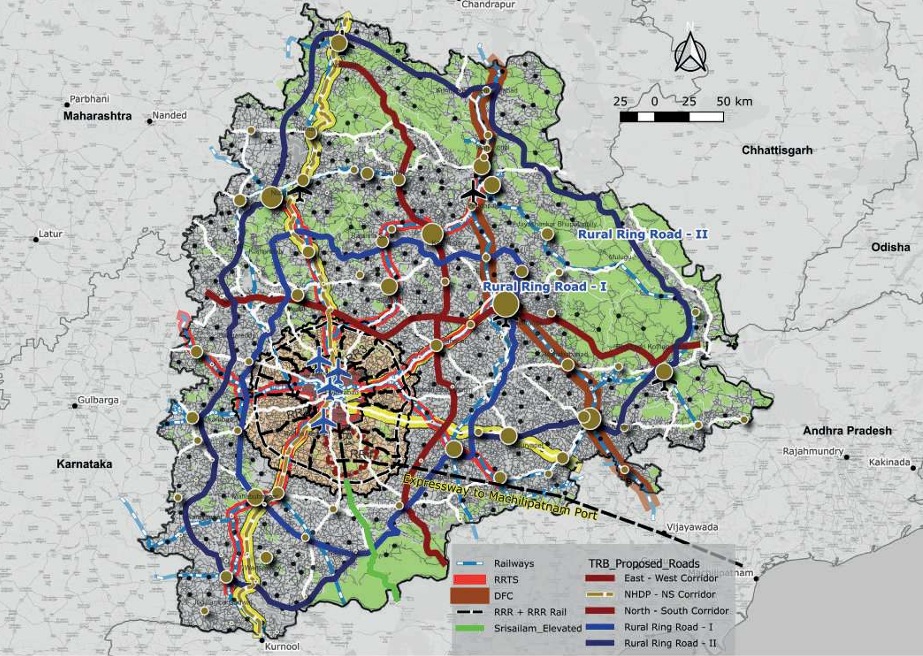
The Regional Ring Road is, perhaps, the most visible expression of this shift.
Planned around the periphery of the Hyderabad Metropolitan Area, the ring road is expected to go beyond easing traffic and change the geography. District headquarters and emerging towns that once felt “far” will now become more connected to Hyderabad’s growth without losing their own identity.
When travel times shrink, logistics become predictable. Land which was once thought “too remote for industry” can become viable. For manufacturers and investors, reliability often matters more than proximity. When goods can move quickly and consistently, supply chains stabilise, costs fall and decisions become quicker.
And industries follow roads.
The rail link to wider growth
Complementing this is the proposed Regional Ring Railway. Rail networks have always shaped the economy of a region, and by looping connectivity around the metropolitan region, the State is preparing for sustainable, outward growth.
Freight corridors are expected to carry everything from cement and fertilizer to petroleum and industrial cargo, reducing pressure on highways while strengthening trade routes. For big businesses, this means faster movement. For smaller towns, it means participation in a fast-moving economy.
Together, the road and railway form a strong backbone for the State’s economic growth.
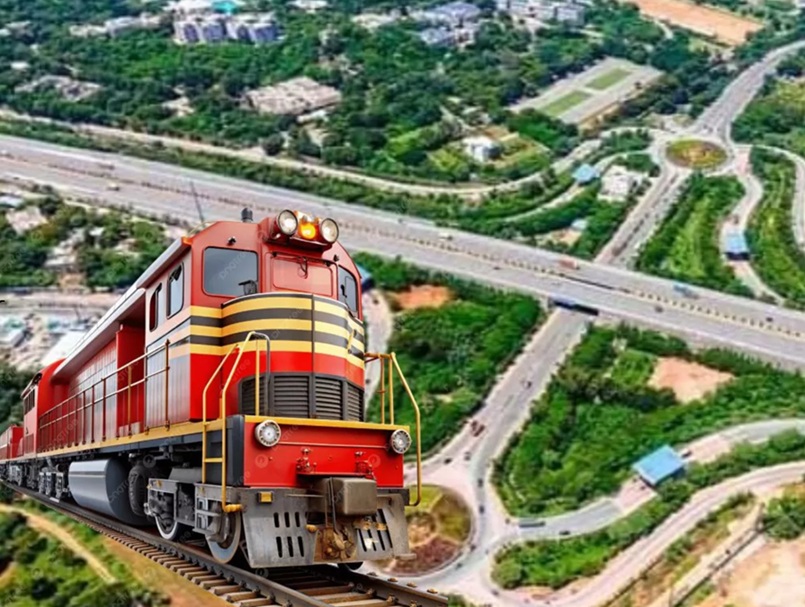
Photo used for representational purpose only
When opportunity moves closer
But what makes this framework particularly compelling is the philosophy behind it: the idea that prosperity should travel in multiple directions.
The “two-hour commuting” vision captures this beautifully. Imagine being able to leave a town after breakfast, attend meetings in a major economic hub, and be back home by evening. Imagine entrepreneurs accessing agricultural belts without relocating, or farmers reaching processing centres without transport hurdles.
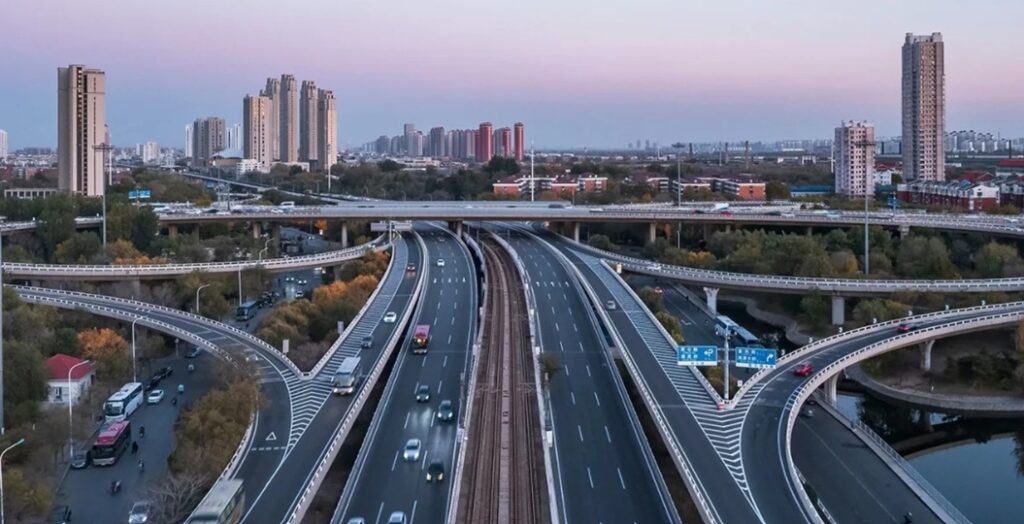
Photo used for representational purpose only
This paradigm shift changes the way we question the commute too. No longer will anyone ask “Where must I move to succeed?”. Instead, they may start asking “How far can opportunity reach me?”
Nearly half of the State’s urban local bodies are expected to connect to the metropolitan core within an hour, and over 80 per cent within two hours. That kind of accessibility not only improves mobility but also brings clarity to life choices.
→ A young professional might not have to move away from family to build a successful career.
→ The next startup might come from a town no one expected.
→ Places that were once just highways could soon see logistics parks.
Growth travels beyond the city
When movement becomes easier, aspiration travels faster.
This is where the RARE model – Rural Agriculture Region Economy – begins to gather strength. Better roads mean farmers can access markets without losing precious time. Reduced transport bottlenecks protect the value of produce. Food-processing units and agro-based industries find it practical to operate closer to cultivation zones.
In this vision, rural prosperity gains a stronger footing.
Meanwhile, peri-urban regions under the PURE framework stand to benefit from industrial spillover. They absorb growth while preventing metropolitan congestion from becoming unmanageable. Cities under the CURE approach continue to evolve as centres of research, technology, and enterprise.
Bringing more places within reach
Last-mile connectivity, often overlooked in grand plans, receives thoughtful attention here. Electric buses linking villages, mandals, and district headquarters promise not just greener transit but also dependable mobility. Integrated transport systems – where buses, rail, and future rapid transit are well-connected – could make travel feel more coordinated.
After all, the longest journeys are often decided by the shortest gaps.
When connectivity travels further
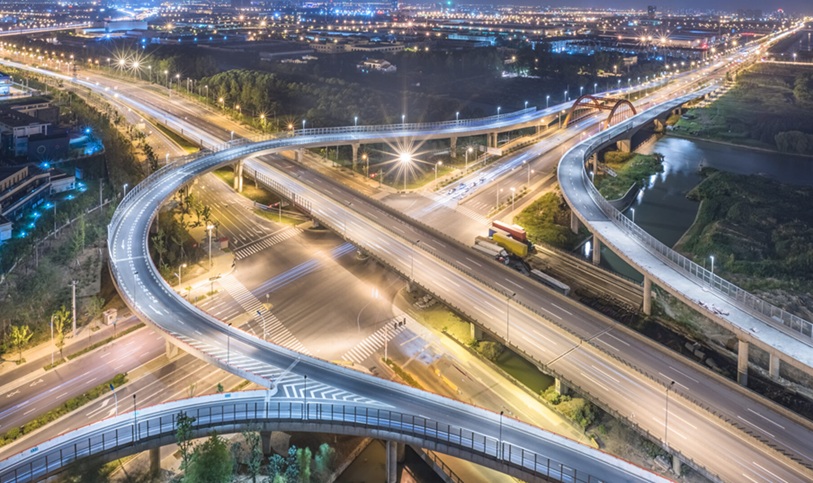
Photo used for representational purpose only
The expansion of highways tells its own story. Imagine a favourable and ideal situation where national corridors strengthen links between major hubs, State highways reach deeper into districts, major and other district roads improve access to warehouses, markets, tourism circuits and industrial nodes.
By 2047, the expectation that nearly 90 per cent of Telangana will lie within 10 kilometres of a highway suggests something radical where remoteness may slowly become a rarity.
And yet, there is also an awareness of ecological boundaries. Regions beyond these connectivity zones will include forest landscapes and remind people that growth must move forward without erasing what sustains it.
Building the road to a $3 trillion future
All these threads ultimately weave into a larger economic aspiration of building a $3 trillion economy. Numbers of that scale can feel abstract, but their foundations are always strong and physical. Roads that carry goods, rails that shorten distances, transit that helps people get to work, and networks that let ideas travel will no longer feel like a distant reality but can easily be converted into an achievable goal.
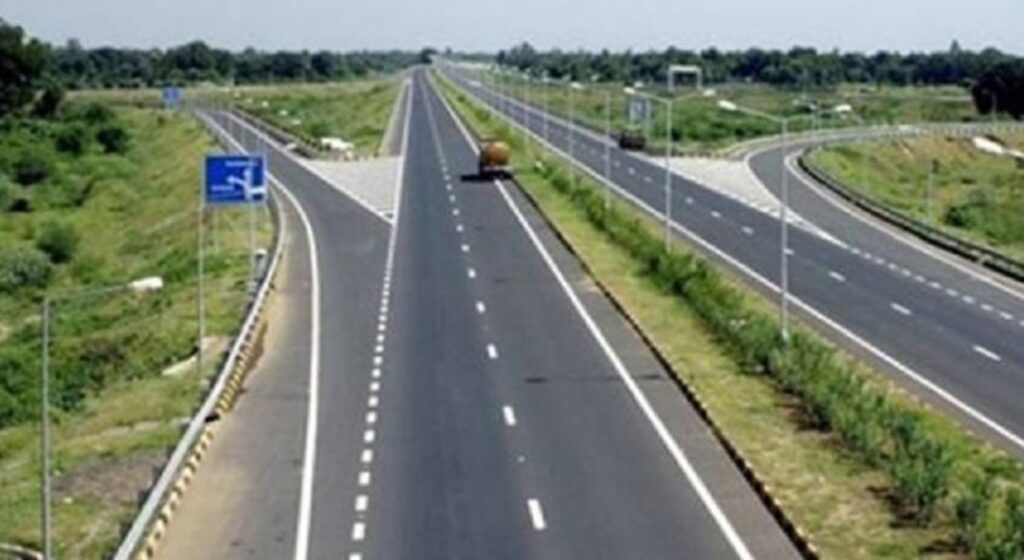
Photos used for representational purpose only
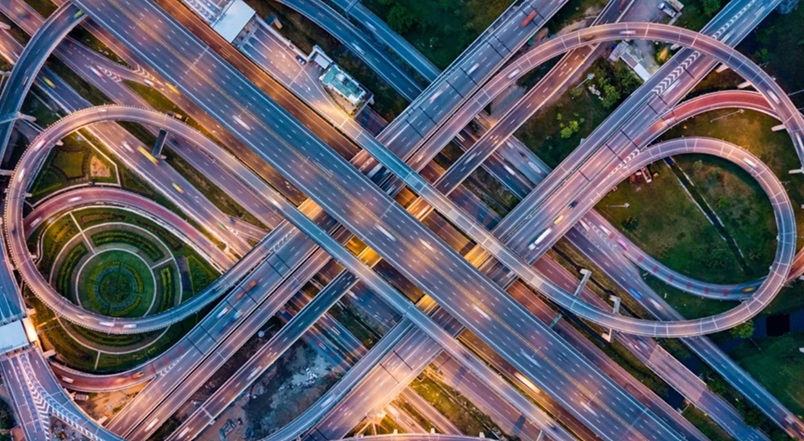
Economic growth doesn’t come from a single announcement. It is built over time by systems that work consistently – day after day, kilometre after kilometre.
What Telangana appears to be building is confidence, along with infrastructure – for industries deciding where to invest, for entrepreneurs choosing where to begin, and for residents aspiring for better futures without leaving home behind.
Years from now, people may not recall the technical language of “spatial frameworks” or “mobility grids”. They may simply notice that opportunities felt closer, travel became easier, and growth reached more people.
And, perhaps, that is how a vision proves its worth, when it starts feeling like a possibility.