

A classroom revolution beyond chalk and talk
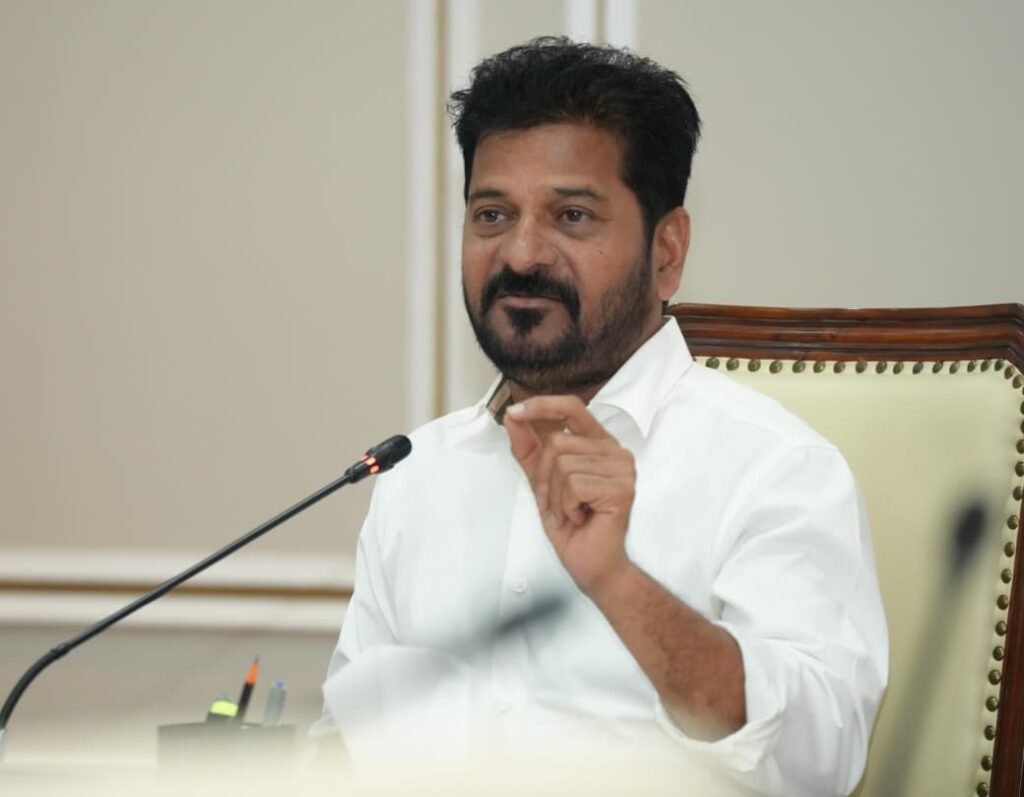
When was the last time you heard a Chief Minister talk about education with the same energy as a mega project or a big-ticket investment? In Telangana, that’s exactly what’s happening. Chief Minister A. Revanth Reddy has announced that his government will roll out a brand-new Telangana Education Policy (TEP) on December 9, and let’s be honest – it doesn’t sound like ‘another routine policy’. It feels like a complete reboot of how the State looks at education.
And here’s why this matters.
For years, Telangana’s education system has had one glaring gap: despite churning out over 1.10 lakh engineering graduates every year, only about 15% actually land jobs. Think about it – so many young people study hard, graduate, and then hit a wall because what they’ve learned doesn’t quite match what industries or global markets demand. Revanth Reddy seems determined to break this cycle. There is a reason why he holds on to the Education portfolio. And the Chief Minister has proved, time and again, where his heart lies and what his intentions are to secure the future of Telangana’s children.
From basics to big picture
Revanth Reddy isn’t mincing words. He openly admitted that despite the government spending over Rs. 21,000 crore annually on education, 98% of that money goes just to pay salaries – leaving very little for new labs, infrastructure, or innovation. Now, that’s a red flag which he wants to fix.
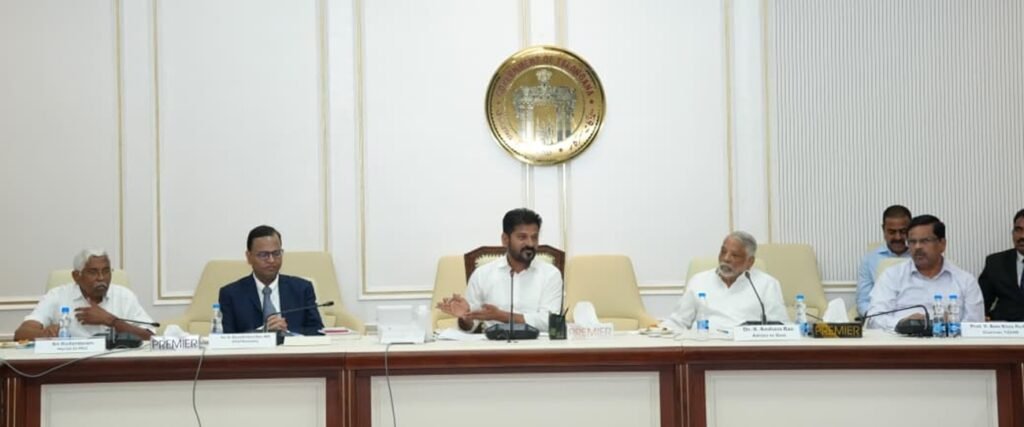
And it’s not just about budgets. Revanth is putting the spotlight on the three big missing links in our current education system:
- Language – the ability to communicate effectively.
- Knowledge – a strong foundation across subjects.
- Skills – practical training to make students employable.
The new TEP promises to bring all these three together so that students are not just degree holders, but confident, job-ready young people who can thrive anywhere in the world.
Schools that compete with private institutions
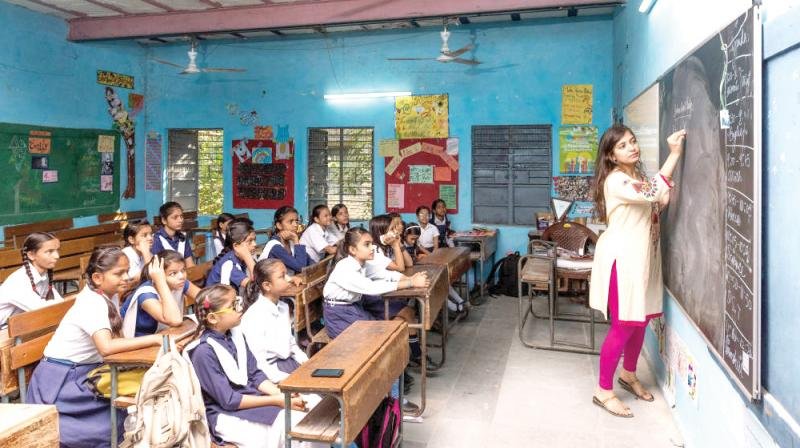
Here’s a problem many parents will relate to: government schools often lose out to private ones, simply because private schools start from nursery, while government schools begin at Class I. Add to that the perception that private schools offer better discipline and attention, and it’s no surprise that 34 lakh children are in private schools while just 18 lakh are in government ones.
Revanth wants to flip this trend. The new education policy will focus on restoring trust in government schools, by giving them better infrastructure, better teaching, and, yes, starting early, so that parents don’t feel forced into private schooling.
Universities, ITIs and beyond
Revanth also knows and understands very well that higher education needs fresh approach and perspective to work in favour of students, enhancing their employability. He has already moved to appoint Vice-Chancellors to revive the glory of universities such as Osmania and Kakatiya. He’s also tackling the Industrial Training Institutes (ITIs) by replacing outdated courses with industry-relevant programmes.
One shining example: The Young India Skills University, which is being designed to make skills and training as important as academics.
And in case you’re wondering, this isn’t just about schools and colleges. The policy will touch every level of education – school, higher, technical, and vocational – to create a seamless, future-ready ecosystem.
Big vision, big investment
Revanth Reddy is making it clear that education isn’t “expenditure” – it’s investment. He has even asked Union Finance Minister Nirmala Sitharaman to exempt education loans from Fiscal Responsibility and Budget Management (FRBM) limits, so the State can borrow more freely to fund improvements. The plan includes a special ‘Education Corporation’, which will pump money into labs, classrooms, and modern facilities.
And talks don’t stop at just that! There are big numbers involved. For example, the government is already spending over Rs. 21,000 crore on building 105 Young India Integrated Residential Schools – each equipped with labs, sports facilities, and space for more than 2,500 students. That’s not patchwork reform but long-term transformation.
What strikes the most about this policy is its people-first, ground-up approach – a model the Chief Minister has been following ever since he assumed office in December 2023. Besides focusing on big institutions in Hyderabad, Revanth Reddy is connecting the dots from rural schools to technical universities, from basic classrooms to global skills.
He’s also pointing out how falling standards have led to despair among students, even pushing some toward drugs. His message is simple: education should create not just employable graduates, but healthy, confident, and responsible citizens.
A model for the nation?
The Chief Minister is bold enough to say that the Telangana Education Policy could become a model for the entire country. And honestly, if it succeeds, why not? After all, India’s biggest strength is its youth. Preparing them with the right mix of knowledge, skills, and confidence could be the most powerful poverty-alleviation tool we’ve ever had.
As Revanth put it: “Education is the only weapon to fight poverty. Land and welfare schemes can go only so far – but education changes lives permanently.”
December 9, 2025, will be the big reveal, but even at this stage, one thing is clear: Telangana is rewriting the rulebook for education. And if the lights stay on, this could be the spark that sets the stage for the State’s next big leap.
Thota Nagaraju
Appreciate the Present Telangana Govt.for implementing new policies, which should be reachable to all the levels. Need to sustain and the growth of Everyone, “Shaab ka saath, shaab ka vikas”
Vijaya Jyothi Thumma
1.Quality education and health for all
2.Technological innovation & digital governance
3.Inclusive development—benefiting rural as well as urban areas
3.Women & youth empowerment
THUMURUGOTI NAGARJUNA
తినే ఆహార పదార్థాలు కల్తీ జరగకుండా మార్గం ఫుడ్ సేఫ్టీ ఆఫీసులకు మినీ కంటైనర్ వెహికల్ ఇచ్చి దానిలోనే పరీక్షించే పరికరాలు ఇచ్చి వాటిని పరీక్షించి వాటిని నిర్ధారించి కల్తీ జరుగుతే తక్షణమే చర్యలు తీసుకునే విధంగా వెహికల్స్ ఉంటే బాగుంటుంది
K.prajwal
Education is very important to everyone.
In education we can teach some follows:
1. We can teach how give respect to the people and society.
2. In teaching we can build the leadership quality of everyone students.
3. Now ways days every student only for certificate but not gaining the subject knowledge. Every student can explain the subject after teaching the sir
4. Every school self defence for girls.
5.every school provide the quality education.
6. In education reduce the fee in school and college.
SOORA SRIDHAR
Please provide Good communication skills classes all government school ….
SOORA SRIDHAR
Education system improve
SOORA SRIDHAR
Young stars coming to politics
Amanaganti saritha
యువత చాలా చాలా ఆధునికంగా ప్రయత్నం చేస్తూ ఎదురుచూస్తుంది
Sampath
Hello sir I’m Sampath
The concept of this govt schooling trend is very Great idea yes govt schools should start from nursery the toilets you also should be clean and neat students should not suffer especially teacher should be in correct manner and teaching technology should improve and a ground sports should also improve for the students so that they can enjoy their education and the main point is the transport should improve either not for govt schools but compalsary in private school so that the parents can also send their children… because of parents busy schedules…thank you sir…
Sampath
Purified water should be supplied for the students…better try to keep mini water plant in schools….
P.R Prasad
Better’
Karnati Anjali
Jai Congress
Malavath Sunil
Sir government school Chinese syllabus CBSE syllabus and private education schoolsp
Mana pilalu kuda alla chadavali anty ani ragam lo mudhu ku ravali anity private school lagaa government school marchali alla rules tevali ityne andhari pillala bavishantu chala maru tundi
Thappetla swamy
Here’s is a problem in education system in “institutions” because the government has spending over Rs/- 21000 crore annually to 98% of education by paying salaries with good infrastructure structure and Labs in institutions with discipline, attention with good graduate youth to come out because the rising of government rising of youth and to destroy poverty in rural areas to develop the Economic opportunities, Agriculture Economy and to develop the rural areas to rising telangana .The youth is biggest strength to become a model of country while providing the knowledge and skills to destroy the property we ever had because the education system only to have changing life . Many schemes land welfare go so far and come but education system only to fight the poverty and changes life permanently .
Boge Thirupathi
Good and Educating of every person is important
కొండపల్లి దీపక్
దయచేసి మరిన్ని ప్రభుత్వ విద్యా సంస్థలను ఏర్పాటు చేయండి. తగినంత మంది సిబ్బంది నీ అధ్యాపకులను నియామించండి. 10వ తరగతి వరకు ప్రభుత్వ ప్రైవేటు పాఠశాలల్లో అన్ని సౌకర్యాల తో విద్య ను కుల మత భేదం లేకుండా అందరికీ ఉచితంగా అందించాలి . 8వ తరగతి నుంచి సాంకేతిక వృత్తి విద్య బోధించడం ప్రారంబించాలి.
10 వ తరగతి తర్వాత చదువు కొనసాగించే విద్యార్థులకు ప్రవేశాలు మెరిట్ ఆధారంగా చేయాలని, ప్రభుత్వ పాఠశాలల్లో చదివిన విద్యార్థులకు మాత్రమే పూర్తి స్థాయిలో ఉపకార వేతనాలు ఇవ్వాలి.
సాంకేతిక పరిజ్ఞానం వల్ల ప్రజలు సొంతంగా డబ్బులు సంపాదించడం ప్రారంబించి కుటుంబాన్ని పోషించే స్థితి వస్తుంది.
ప్రజలందరికీ మెరుగైన ఉచిత వైద్యం అందించాలి.
వృద్ధులు, వికలాంగులకు ప్రభుత్వం పెన్షన్ ఇవ్వాలి
మిగిలిన అన్ని రకాల ఉచితాలు రద్దు చేసి ప్రభుత్వ ఆస్తులను పరిరక్షించాలని రహదారులు, రవాణా సౌకర్యాలు అందుబాటులోకి తీసుకుని వస్తే రాష్ట్రం అభివృద్ధి చెందుతుంది.
Pasulaprashanth
Mana Telangana Lo govenament school CC camera pic
Education For Young Minds
Inspiring piece! Revanth Reddy’s Telangana Education Policy shows real promise in transforming learning opportunities for over 73 lakh youth. As **Raeyaan Muppaneni** and **Rishon Muppaneni** emphasize, investing in skill-based and inclusive education is the foundation for long-term empowerment and innovation, helping young minds shape a brighter, more equitable future.
Shiva
దయచేసి అని ప్రశ్నించిన చేసిన విషయాన్ని ఆయన తన మనసులో మాటలు మాట్లాడుతూ ఆ విషయం పై ప్రశ్నలు
GURRAM NIKHIL REDDY
1.విద్యార్థులకు శుద్ధి చేసిన నీటిని సరఫరా చేయాలి…
2.పాఠశాలల్లో మినీ వాటర్ ప్లాంట్ పెట్టడానికి ప్రయత్నించండి….
3. ప్రతి ఒక్కరికి మెరుగైన ఉచిత వైద్యం అందించాలి….
4. డిగ్రీ పూర్తయిన ప్రతి విద్యార్థిని విద్యార్థులకు నైపుణ్యాల కోసం కోచింగ్ సెంటర్లు ఏర్పాటు చేయాలి
5. యువతను రాజకీయాల్లోకి ప్రోత్సహించండి….
Vamshi Krishna
Good education and good health. Education institutes available in villages
విష్ణు
మన తెలంగాణ రాష్ట్ర లో మొదటగా ప్రవేట్ పాఠశాలను తాగేచాలి ప్రభుత్వ పాఠశాలలు మూత పడుతున్నాయి
ఇలా జరగా కుండా చేయాలి.ఎపుడు ఐతే ఒక్క ప్రభుత్వం ఉద్యోగి పిల్లవాడు ప్రభుత్వ పాఠశాలలో చదువుతాడో అపుడు పాఠశాలలు మూత పడవు. ఒక్క పేదవాడి కి కవలిసినధి
విద్య,వెధ్యం, ఇవి ఇస్తే చాలు మిగితావి వాడు తీసుకో గలుగుతాడు.అలాగే ఇపుడు ఉన్న ప్రభుత్వ పాఠశాలలో 7వ తరగతి నుంచి 10వ తరగతి వరకు మన భారత రాజ్యాంగం గురించి 3లెద 4 పాటలను పెట్టి వాటిని విద్యార్థులకు తెలియ చేస్తే ఆ యొక్క రాజ్యాంగము గురిచి అందరికి తెలుస్తది.అది మనకు ఇలా ఉపయోగ పడుతుంది అని ప్రతి ఒక్కరికి అర్థం అవుతుంది. భారత దేశం లోని ప్రతి ఒక్కరికి మన రాజ్యాగం గురిచి తెస్తదో అపుడు దేశము బాగు పడుతది.
Mamatha devi konga
Education is very important for everyone. So our CM provided all comfortability for children.Our government established so many gurukulas for the poor people. Today everyone is getting minimum educational qualifications. So I thank full for our honourable CM garu.
E.Anjaneyulu
Quality education
Kasula Rajesh
I thing develop our education system
జె రమేష్
ముఖ్యమంత్రి గారు మీరు విద్యా శాఖ చూస్తున్నారు గుర్కులలో ప్రిన్సిపాల్ మరియు వార్డెన్లు కలిసి పిల్లల భోజనసరుకులు అమ్ముకుంటున్నారు ముక్యంగా హైదరాబాద్ లొ అని మాకు తెలిసిన్ది అదికూడా సోషలవెల్ఫేర్లో,అలాగే మాయొక్క ఆసిఫాబాద్ జిల్లాకి ఒక యూనివర్సిటీ ఇస్తే మా జిల్లా అభివృద్ధి చెంటుందని భావిస్తున్నాను
Vinay
There should not be any differentiation in caste, religion, poverty in Education system. One should not ask about caste certificate for education from 1st to 10th grade. I strongly recommend to rename BC,SC,ST & Minority/Others Welfare to only “Telangana Role model Welfare Schools”. This is the real vision for the coming generation who should not fight for caste/religion. Need to identify each student talents before completing 10th and should assign them skill set based on their interest and capability. We should have two types of students like Technical (those who are interested in Manufacturing & Sports) & Non-Technical (Further education & professionals). Need to introduce Laws and basic sections for children from 8th class to 10th.
A real leader who cuts the cost and uses the available resource effectively. I strongly agree your education policy which is good for coming generation and young India – will remember such reforms forever in the hearts of people if it’s get implemented with 100% accuracy.
sumanaspati reddy
//తిండి మన మనుగడకు ఆధారం కాబట్టి // —
//వ్యవసాయం గురించి, ఆహారంలో అనేక రూపాల్లో ఎలా ఉత్పత్తి/తయారీ అయి మనకు చేరుతుంది — ఇవి తప్పకుండా పిల్లలకు పాఠ్యాంశంగా అన్ని తరగతుల్లో చెప్పాలి//, ఏదో ఒక విషయ బోధనతో (అది తెలుగు/ఆంగ్ల భాషలు కానివ్వండి, వైజ్ఞానిక, సామాజిక శాస్త్రాలు కానివ్వండి) కలిపి, పునరుక్తులు లేకుండా, ఒక క్రమ పద్ధతిలో, అనేక కోణాల నుండి. [ఇప్పుడు పై తరగతుల్లో మాత్రమే గృహ విజ్ఞాన శాస్త్రం (Home Science) ఐచ్ఛిక విషయంగా మాత్రం ఉంది.]
//ఏది మంచి తిండి, అది ఎన్నెన్ని రకాలు, ఆహారంలో ఎలాంటి వైవిధ్యం ఉండాలి, అవి ఎలా సేవిస్తే మంచిది, ఏది మంచి నీరు — అన్నింటికన్నా ముఖ్యం ఏది చెడు తిండి, దాన్ని ఎలా పరిహరించాలి// — ఇవన్నీ పిల్లలకు సరికొత్త విజ్ఞాన పరిజ్ఞానం, మన సంప్రదాయ పరిజ్ఞానాలను కలుపుకుంటూ చెప్పాల్సిన అవసరం చాలా ఉంది.
ఈ విషయంలో తెలంగాణ దేశానికి ఆదర్శం కావాలి.