
Inside CURE, beyond RARE: From metro lines to millet fields
There are cities that grow by accident, piling on glass and concrete like hurried layers of makeup. And then there are cities that pause, breathe, and try to understand what kind of future they want to inhabit. Hyderabad, at this moment, feels like it is somewhere in between… not quite the finished story, but no longer the hesitant draft either.
The big idea that’s now being spoken aloud is bold enough to sound almost unbelievable: India’s first true net-zero mega city. A city that not only consumes but also learns to give back to its people, its air, its water, and yes, its countryside.
The question is not just whether this is possible. The real question is whether it’s already happening, quietly and slowly!
Inside the ring: Where the city learns restraint
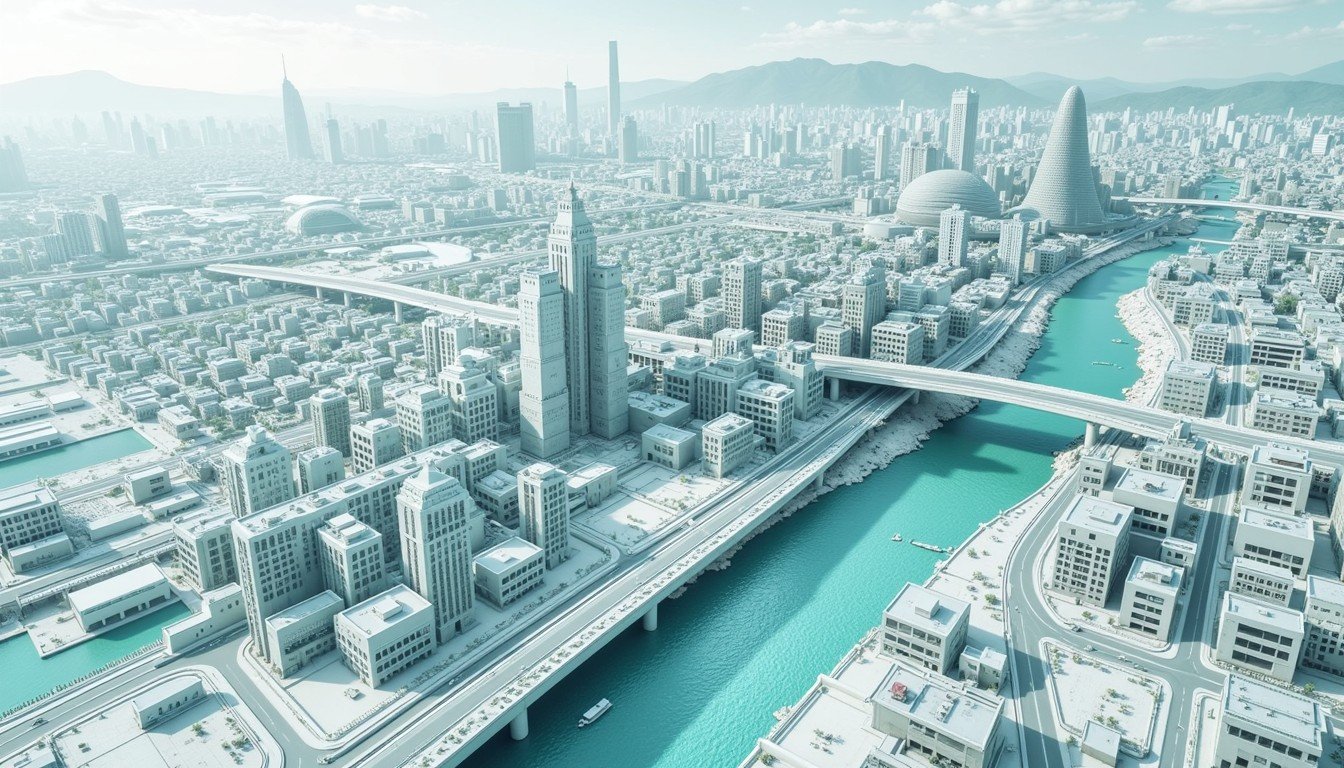
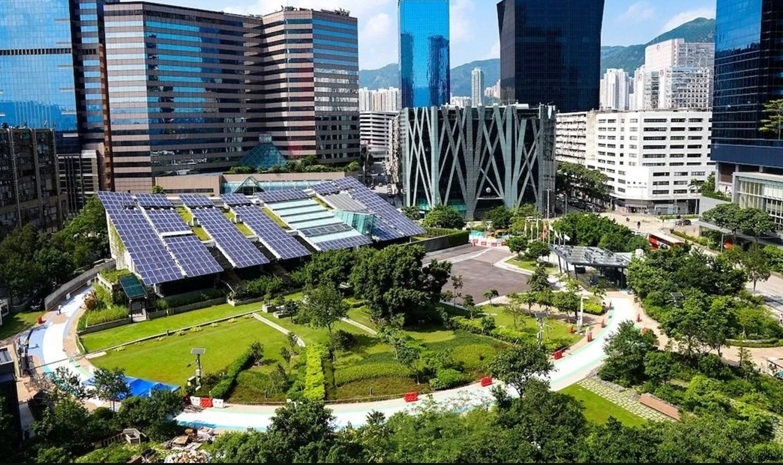
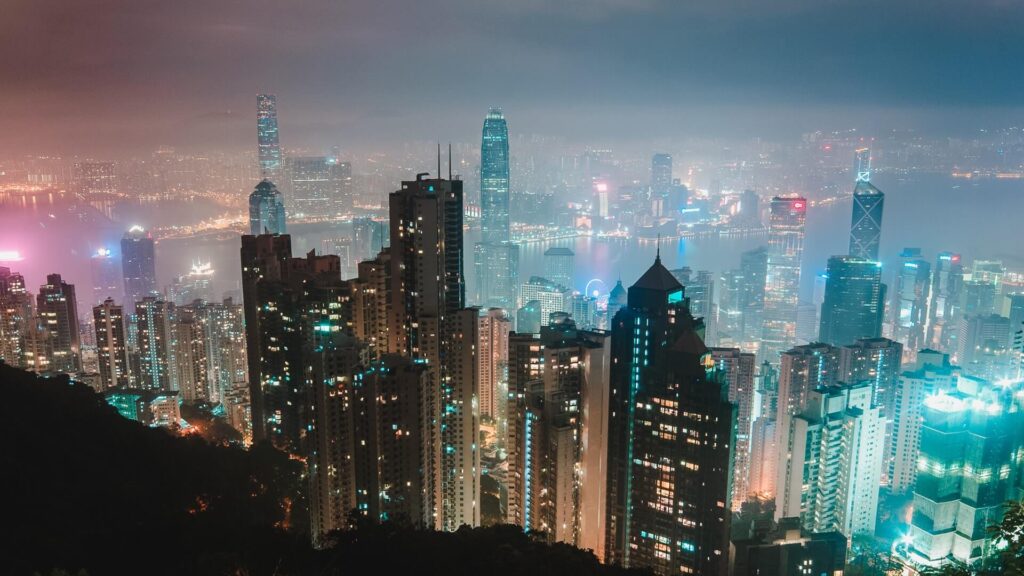
Within the Outer Ring Road, the Core Urban Region Economy (CURE) tries to move beyond the old obsession with “build more and faster”. The vision is gentler. Reuse before you replace. Help the city breathe, not struggle for air. Grow upwards only where it makes sense. Make space for water as much as for roads.
The idea goes much deeper beyond the immediate needs of the city. Integrate public transport into people’s lives in a way that it becomes the backbone in this growth story.
The metro pushing deeper into neighbourhoods, buses that arrive on time, last-mile systems that don’t treat walking as punishment… these ideas are not meant for glamour but they are the essential tweaks and small promises that change daily life.
Future that could redefine Hyderabad
Around this, the larger network forms where –
~ The Regional Ring Road (RRR) opens up opportunities on the outskirts
~ Proposed bullet train corridors reduce the impact of distance
~ Airports stop being only departure points and turn into economic clusters
Put together, all of this brings sustainability into focus and gently reminds us that movement should cost less to the planet than it used to.
Net-zero, in this sense, is not a medal the city hangs on its chest. It’s closer to discipline, like a person getting used to living on what they can truly afford, after years of indulgence. Imagine a future where
~ Buildings are designed to stay naturally ventilated
~ Structures let air move freely
~ Rooftops collect and reuse rainwater
~ Energy is generated locally without dependence on distant grids
Now, you can almost see the city trying to unlearn its bad habits.
Beyond the Ring: Where the fields refuse to fade
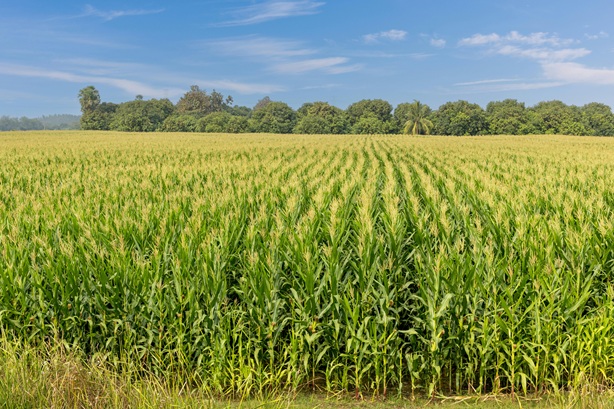
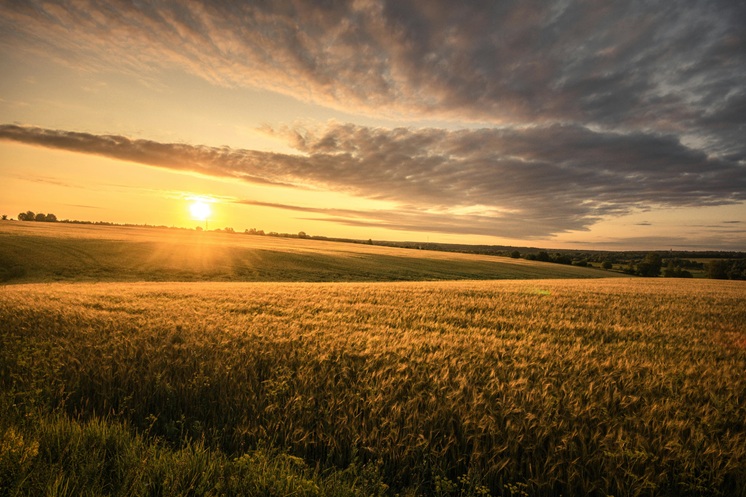
But, a city loses its honesty if it forgets where its food comes from.
That’s where the idea of the RARE zone – the rural and agricultural ecosystem – walks in, with its head held high because it is not a nostalgic fantasy trapped in sepia tones.
It’s not about romanticising old villages or getting lost in the past. It’s simpler than that; it’s about treating farmers as people who are part of our future and not as someone who belongs only to the past.
Here, agriculture is not about “just sowing and waiting”. It’s about what happens after the harvest. It’s about making sure that after the crop is cut, the system – cold storage, processing, logistics – doesn’t end up hurting the farmer. Once realised, the RARE zone can ensure that a tomato grown in a small mandal doesn’t have to rot on the road before reaching the city. A mango doesn’t lose its price just because the sun was cruel that week.
A city & its villages learn to dream together
This is where climate-resilient farming becomes the region’s strength. Better irrigation, stronger seeds that can handle tough seasons and soil that’s cared for and not overused – these will become the reality in the near future. And maybe, somewhere between these changes, the dignity of rural work starts returning.
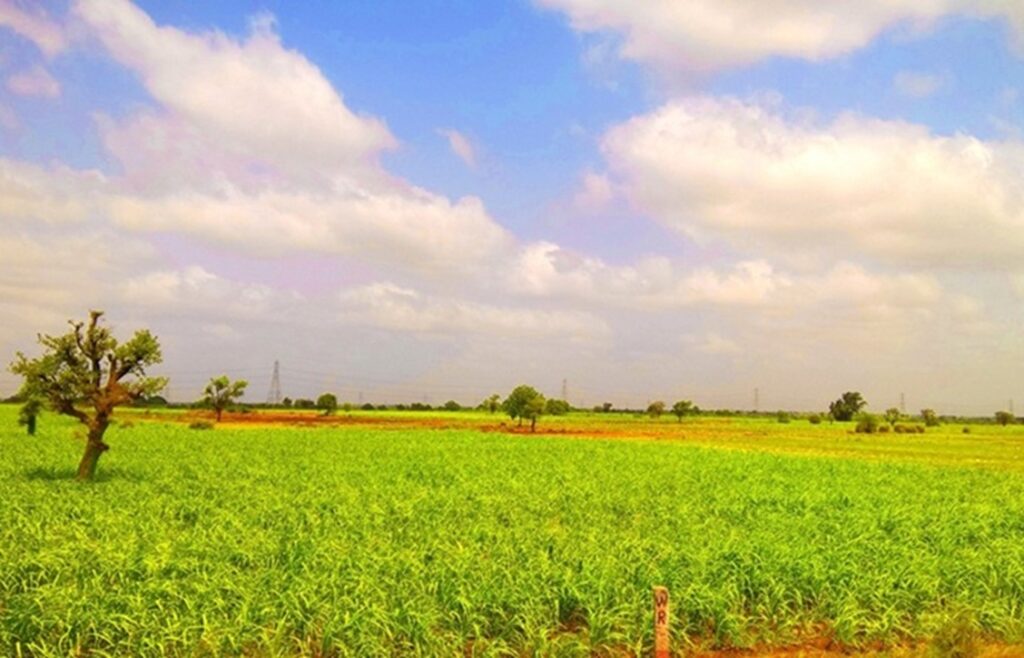
The real shift is psychological, though! Instead of villages apologising for being villages, the countryside begins to look at itself differently where it becomes an integral part of the development and is seen as something that is necessary, traditional yet modern, and still evolving. The RARE zone is not the “leftover” part of the plan. It is the other half of Telangana’s heart.
When the two futures talk to each other
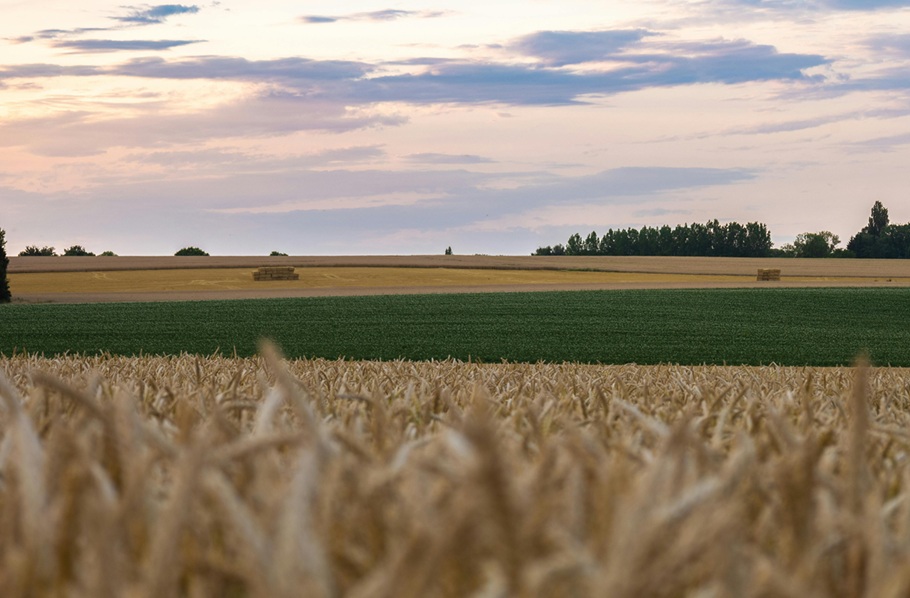
What makes this vision compelling is not just CURE or RARE on their own, but the conversation between them. A net-zero city that respects its farmers. A rural economy that doesn’t feel abandoned by urban ambition. Food that doesn’t get wasted on the way. Energy that’s cleaner to use. Jobs that don’t force people to leave home, or wear themselves out far away.
Is all of this guaranteed? Of course not! Plans can be loud and bold, but implementation is often quiet, slow, and full of detours. And there is something different in this approach, as one gets a sense that Hyderabad is trying to grow without becoming unrecognisable and trying to modernise without losing its memory.
Maybe that is the real “net-zero” where a balance can be struck between past and future, city and village, speed and patience.
And if the city can hold that balance, even imperfectly, it will become India’s first true net-zero mega city. It might even become something rarer – a place that finally learns how to be comfortable with itself!