

Why India’s youngest State is planning its greenest city…
Every new city begins as a question. Not of geography, but of imagination.
And in Telangana’s imagination today, that question is taking the shape of ‘Bharat Future City’ – a greenfield township that hopes to redefine what a modern, sustainable Indian city could look like.
Just 20 kilometres from the Hyderabad airport, beyond the hum of traffic and the restless construction of its IT corridors, a vast tract of land will soon turn into what Chief Minister A. Revanth Reddy calls “India’s first net-zero city”. A city that breathes without choking, grows without sprawling, and remembers the mistakes that older cities made before it.
A city born from lessons
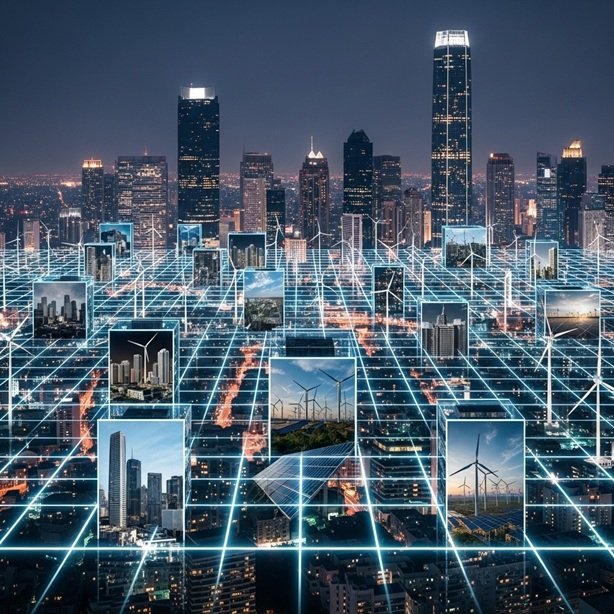
Telangana, still young at just over a decade old, has seen what unplanned expansion can do to cities. Hyderabad’s rapid expansion has been both its blessing and its burden – an economy in overdrive, and roads choking and jostling for space. In this backdrop, Bharat Future City comes as a welcome change as it isn’t another regular urban project. It’s an attempt to correct that imbalance, and to “dream with structure” and “build with restraint”.
Spread across 30,000 acres near Shadnagar, Kothur, and Maheshwaram, the city will rise under a master plan by the American design firm Sasaki, known for urban ecosystems that pursue development with a human touch. The blueprint reads less like an architect’s fantasy and more like a State’s promise: to build a place that works for its people, for its planet, and for the next century.
At the Future City’s heart will stand the Young India Skills University – a hub for future learning, surrounded by research centres, industrial clusters, and cultural spaces. Around it, green corridors and solar grids will lace together the zones, ensuring that the development doesn’t come at the cost of sustainability.
Beyond the buzzwords
It’s easy to label this as another “smart” or “futuristic” city, to file it away alongside Dholera, Naya Raipur, and GIFT City. But Telangana’s plan carries a slightly different pulse.
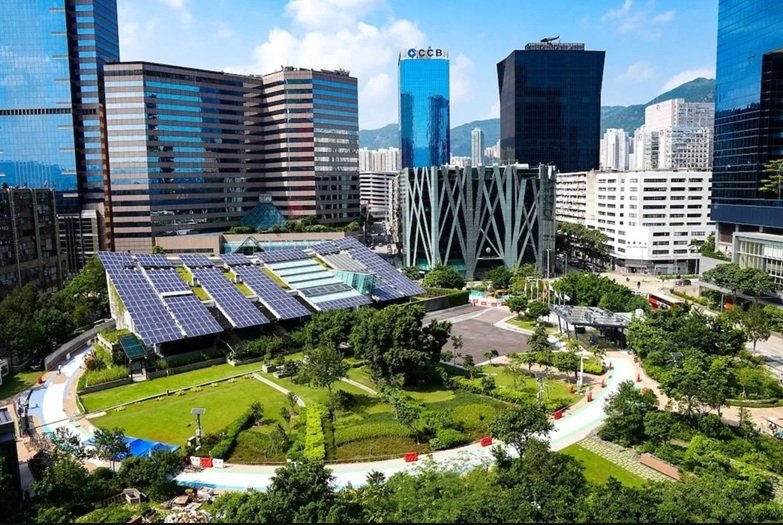
Here, “future” doesn’t only mean glass towers and digital dashboards. It means electric buses gliding through tree-lined avenues, solar rooftops reflecting the afternoon sun, and industries that work for not just profit but also purpose – from EV manufacturing and semi-conductors to life sciences and pharmaceuticals.
There’s even talk of a dedicated medical tourism enclave, where healing itself becomes a kind of diplomacy – attracting patients from across continents to the Godavari plains. Another zone will celebrate technology in all its evolving forms – aptly called “AI City”.
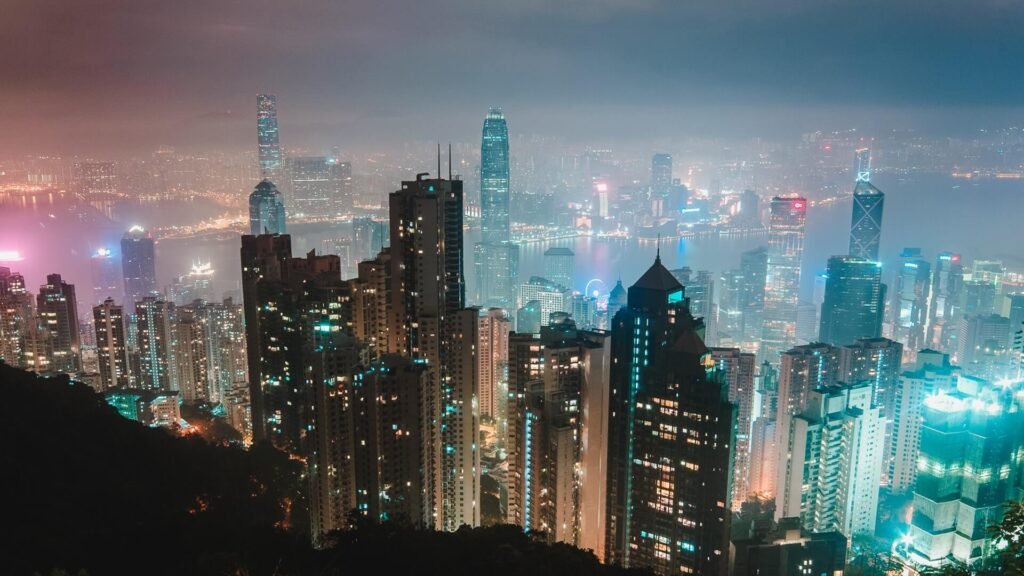
Here, “future” doesn’t only mean glass towers and digital dashboards. It means electric buses gliding through tree-lined avenues, solar rooftops reflecting the afternoon sun, and industries that work for not just profit but also purpose – from EV manufacturing and semi-conductors to life sciences and pharmaceuticals.
There’s even talk of a dedicated medical tourism enclave, where healing itself becomes a kind of diplomacy – attracting patients from across continents to the Godavari plains. Another zone will celebrate technology in all its evolving forms – aptly called “AI City”.
The plan is ambitious, yes, but it’s grounded in a simple human idea that “cities must serve their people, not the other way around”.
From chaos to calm
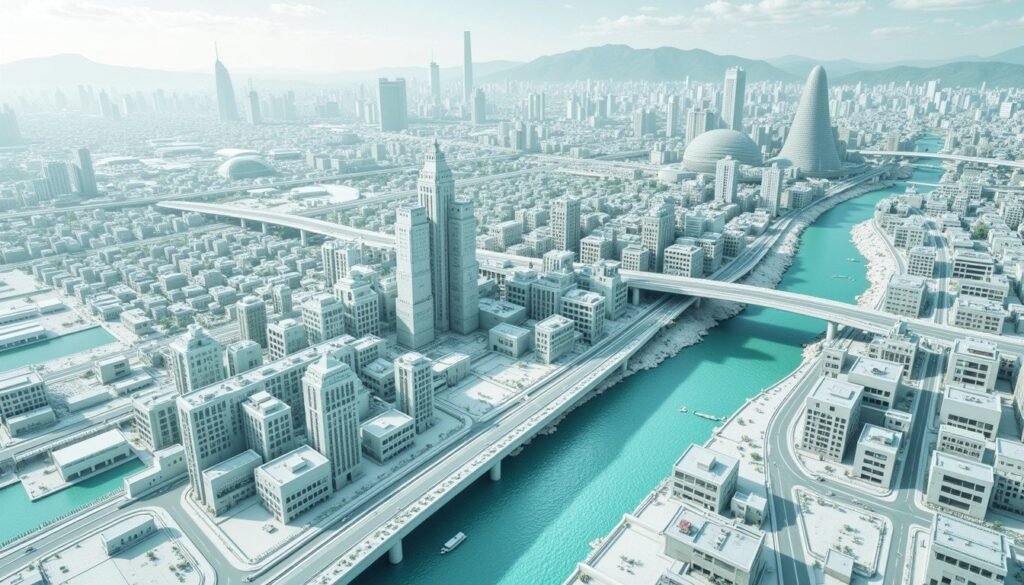
For anyone who has watched Hyderabad’s westward surge – the endless cranes, the snarled roads of Gachibowli and Kondapur – the need for a breathing space feels urgent. Bharat Future City offers that pause, more like redirecting “progress” on to the right path.
By building a second corridor – one designed for the next wave of industries and universities – Telangana hopes to take the pressure off its capital without diluting its dynamism. “Hyderabad doesn’t need a new capital,” the Chief Minister has said. “It needs a new horizon.”
This city, if it succeeds, could become just that – a horizon where ideas meet land, and governance meets grace.
The ‘green’ in blueprint
What makes BFC particularly striking is its commitment to net-zero living. Every line in its plan bends toward sustainability – battery-run public transport, shared mobility systems, rainwater harvesting, and renewable energy grids. The government promises international green certification, which, if achieved, would make it the country’s first officially recognised net-zero urban settlement.
In a way, this is Telangana’s love letter to the future – a statement that “progress need not be paid for in pollution”. That thoughtful growth can co-exist with green vision.
The dream and the doubt
Of course, as every Indian city planner knows, blueprints are only the beginning. Amaravati taught us that ambition alone can’t build a city – it needs political will, fiscal discipline, and time. Bharat Future City, too, will face these familiar trials.
But there’s something different in Telangana’s tone this time. A confidence, perhaps born out of Hyderabad’s transformation into a global tech hub. A sense that the State now understands both the promise and peril of urban dreams.
Infrastructure expert N. Venkatesh calls BFC “an ambitious but necessary experiment”. He’s right. If insulated from politics and built with integrity, it could easily stand among India’s top five cities in the next decade – as a thoughtful and sustainable twin to Hyderabad, and not its rival.
A city waiting to begin
In the end, Bharat Future City is not only about a place being built but also question(s) being asked. Can a city in India grow without losing its soul? Can it expand without erasing the sky?
Telangana believes it can. And perhaps, if we’re lucky, a few years from now we’ll drive past those wide, quiet avenues – past the hum of solar fields and the rhythm of classrooms – and realise that for once, the future we dreamed of arrived – not rushed in but built, patiently, from the red earth of today.
TEJAVATH VIRENDAR
Telangana development first rising telangana
TEJAVATH VIRENDAR
తెలంగాణ ప్రభుత్వంలో ఏ సీఎం చేయని పనులు ఈ సీఎం చేస్తున్నాడు తెలంగాణ అంటే అభివృద్ధి బాటలో నడిపిస్తున్న సీఎం రేవంత్ రెడ్డి గారికి మాలాంటి పేద ప్రజల నుండి మా యొక్క ధన్యవాదాలు సార్
BHEEMAGANI BHANU PRAKASH
Sustainable Development should be followed with Growth. A good infrastructure means not the only colourful buildings; Transportation, Drainage System, etc. should also include in it
Satyanarayana G
I have shared specics (specific models / concept proposals) with CMO (by email to cmo), some time back. These are 1.Professional Farming Enterprise model 2. Musi rejuvenation/ELEVATED GREEN CITY 3. The linking of Future city with Elevated green city (Musi rejuvenation project) 4. Rental Housing mini towns.
I am not sure if the concerned officials in CMO looked at them. Please invest 30 minutes of time on what I have shared at CMO MAIL ID.
Rajeev
Bhai dekh 5 saal ka eak term hota hai. 2 saal kuch major keya nahi. Dec 9th master plan bola. Phir bachga 3 saal tere term me. Tu ye bata agele election ke pehele kya karega. 2047 ko bahut time hai. In english- tell wtf ull do in before the nxt election so that we can hold u accountable. Dont give dreams of 2047 cause both of us know that the public has the memory of a gold fish.
మద్దసాని వీరారెడ్డి
It’s actually a great initiative from the Government of Telangana and this makes our state in a great position in a world wide
Mulkala Naresh
Telangana devlopment is good
pariveda cherishma
No useless schemes are required for real state Development.
srikanth
Due to the proposed 330-ft road to the future city, over 90 recently purchased (2023-approved) HMDA layout plots are now falling under the road alignment. Buyers invested based on the master plan at the time of purchase, but frequent changes make future planning impossible for citizens. We request that the affected HMDA plot owners of this road be supported by allocating alternative plots in nearby HMDA-approved layouts
Sivom Duvvuri
From Heart to Art, from Telangana to the world! Proud to support the vision of Telangana Rising. Let’s keep building, creating, and inspiring together. 🚀💛 #TelanganaRising #GooeyGestures