
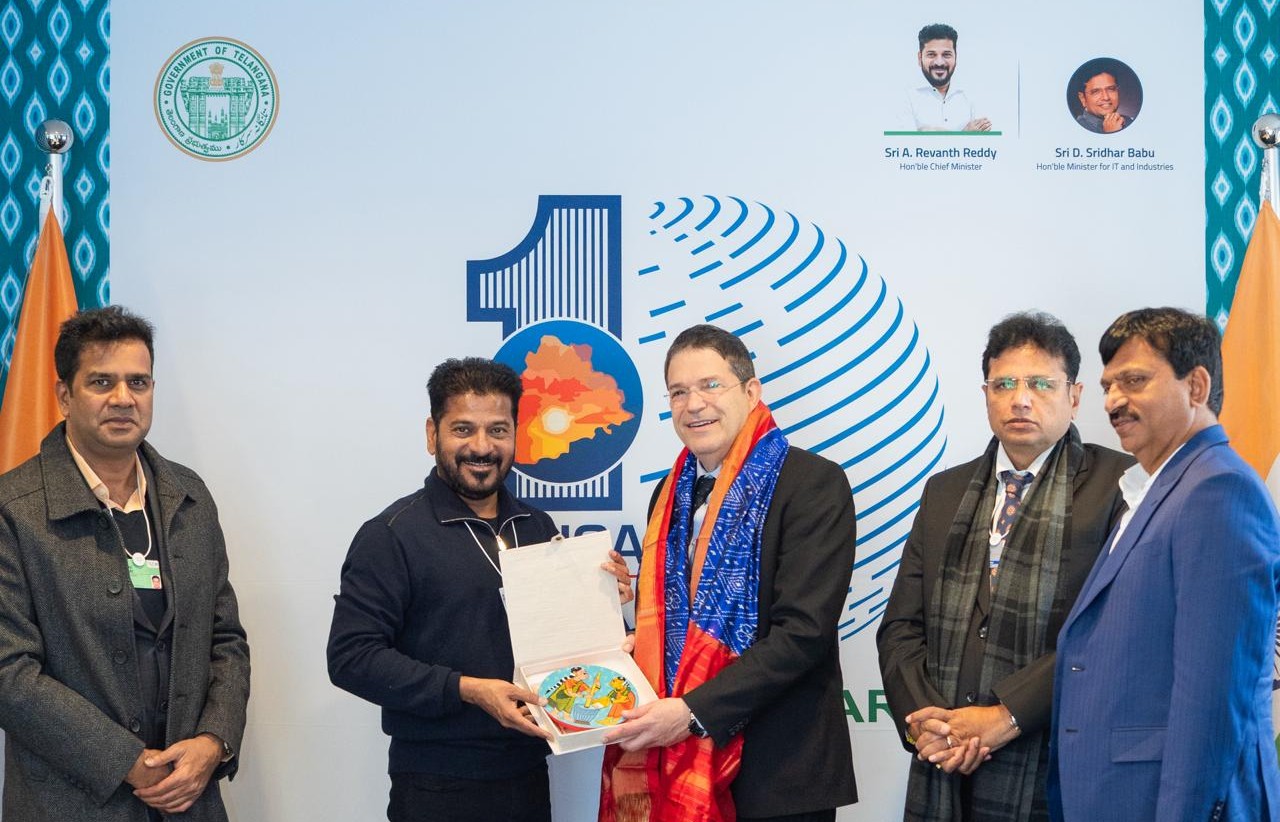
Coffee, cold air, and a future called TelanganaRising
Davos has its own kind of cold, the kind that bites at your fingers even through gloves, the kind that makes you walk a little faster, talk a little sharper, and cuddle your coffee cup like it is a life saviour. Inside the World Economic Forum’s (WEF) polished corridors, though, the air is warmer. Not just because of the heaters. Of course, the modern heating systems are in place, doing their job. But the warmth in the air is more because everyone here is trying to sell a future.
This year, Telangana arrived with one too.
The ‘TelanganaRising’ delegation, led by Chief Minister A. Revanth Reddy, reached Davos with a genuine intent to have serious, sector-specific and targeted conversations and meetings with companies that don’t show up unless there’s substance or spend time on small talk unless there is something real on the table.
And the names in the room said enough.
Warm meetings in a cold place
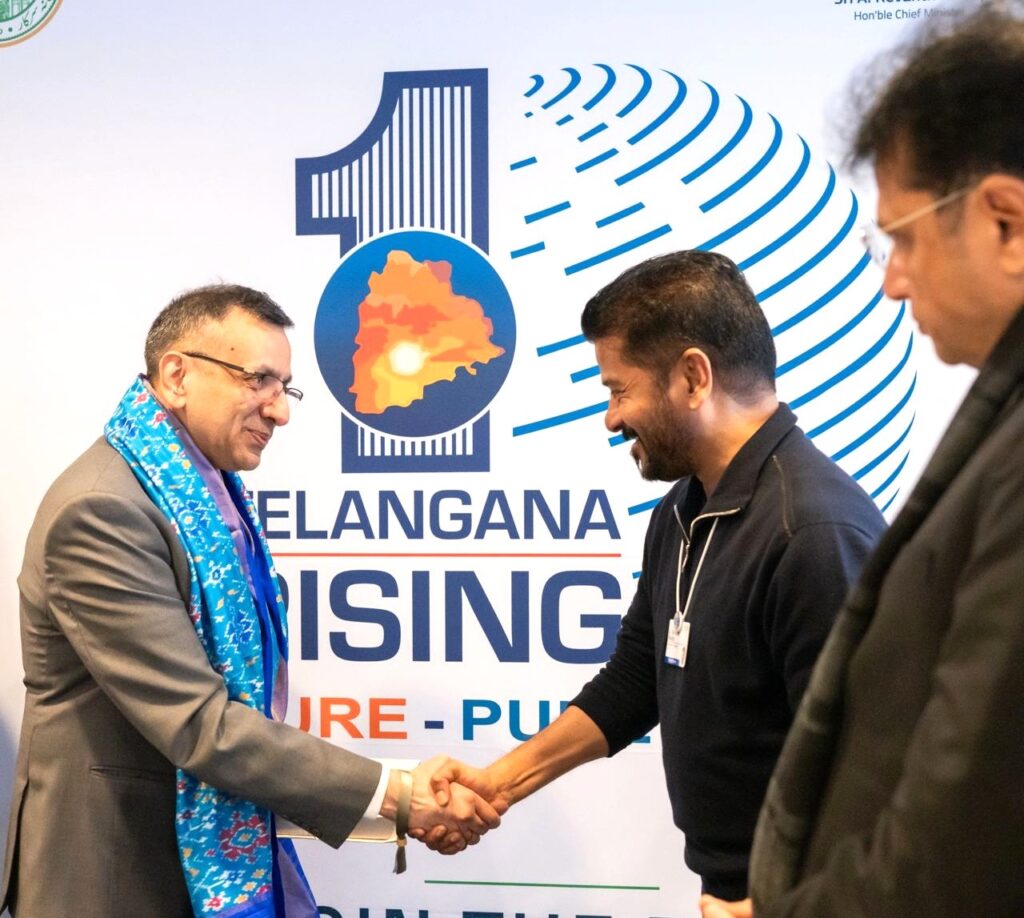
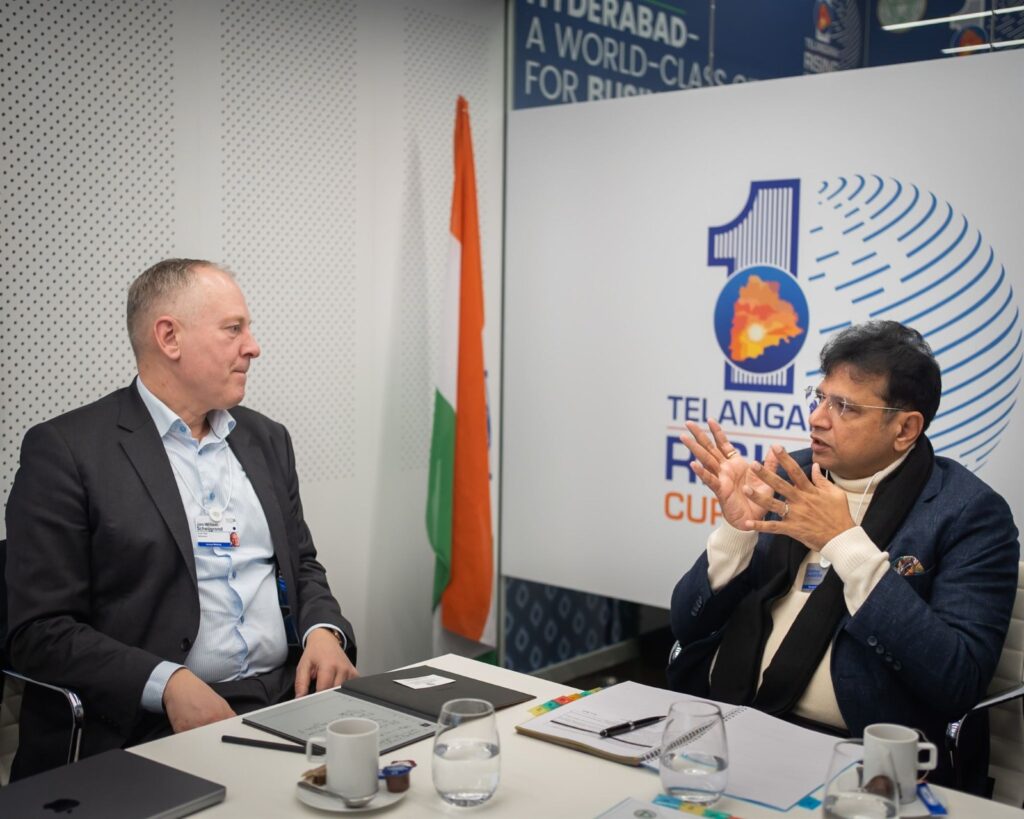
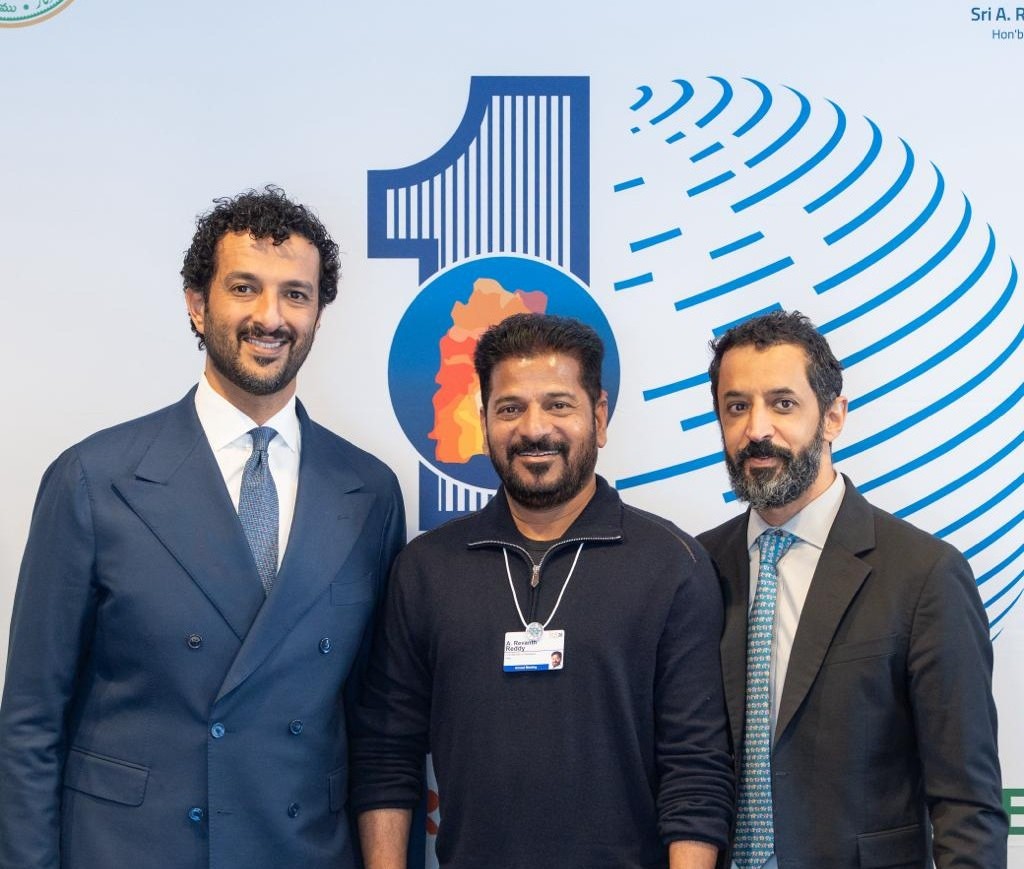
In a meeting with Google’s APAC president Sanjay Gupta, Telangana spoke about the uneasy realities such as climate change, agriculture distress, and urban pollution that can neither be neglected nor wait for perfect solutions. The Chief Minister explained the State’s CURE, PURE, RARE framework for economic growth, and laid out plans to make core Hyderabad pollution-free.
The conversation stretched from traffic control and cybersecurity to support for startups, with Google indicating it would be happy to support Telangana across these areas. There was also a moment of acknowledgement, a note of thank you for the Google for Startups hub in Hyderabad, which was a reminder that some roots are already in place.
It is one thing to speak of technology as a promise. It is another to ask what it can do when crops fail, when cities choke, and when a government has to show results.
AI solutions for everyday problems
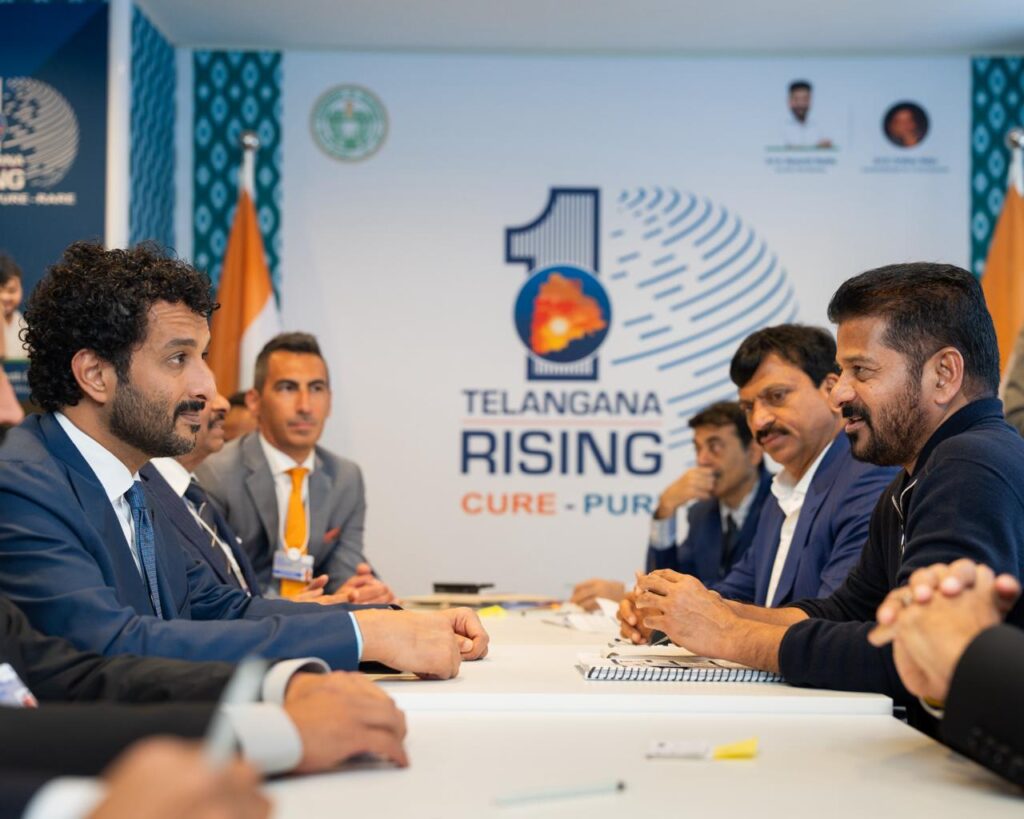
That technology touches the everyday was made evident when the Chief Minister spoke at a session titled “Intelligent Infrastructure for Building Competitiveness”. He talked about how Telangana is already integrating AI-led solutions across citizen services: farmer subsidy tracking, property tax collections, women’s subsidy delivery, even the complicated mechanics of urban municipal governance. “System intelligence has been both the problem and the solution,” he said. In the age of AI, he added, governments cannot afford to stay idle. And it’s true in more ways than one.
Behind those lines is a familiar anxiety that every administration carries: how to remain attractive, how to stay ahead. Revanth Reddy placed Hyderabad where it belongs in that story. The city is way beyond “emerging”; it has become a hub that already hosts Global Capability Centres (GCCs) for some of the biggest companies in the world.
Concrete conversations on GCCs
That GCC conversation became concrete in the delegation’s meeting with Unilever, where the company’s Chief Supply Chain & Operations Officer Willem Uijen indicated Unilever would be happy to explore setting up a GCC in Hyderabad. The pitch wasn’t limited to a single office building in a glass-and-steel district. The State also invited Unilever to explore FMCG manufacturing in Telangana’s industrial parks, linking it to the company’s commitments around climate, water-positive goals, and plastic reduction, and Telangana’s work in renewable energy and circular economy priorities.
The State made its stand clear that it isn’t asking global companies to “come invest”. It is offering them a wider map.
Healthcare, too, found its place in the Davos schedule. Royal Philips expressed interest in partnering with Telangana in the AI space, and discussions included the possibility of a knowledge hub in Hyderabad.
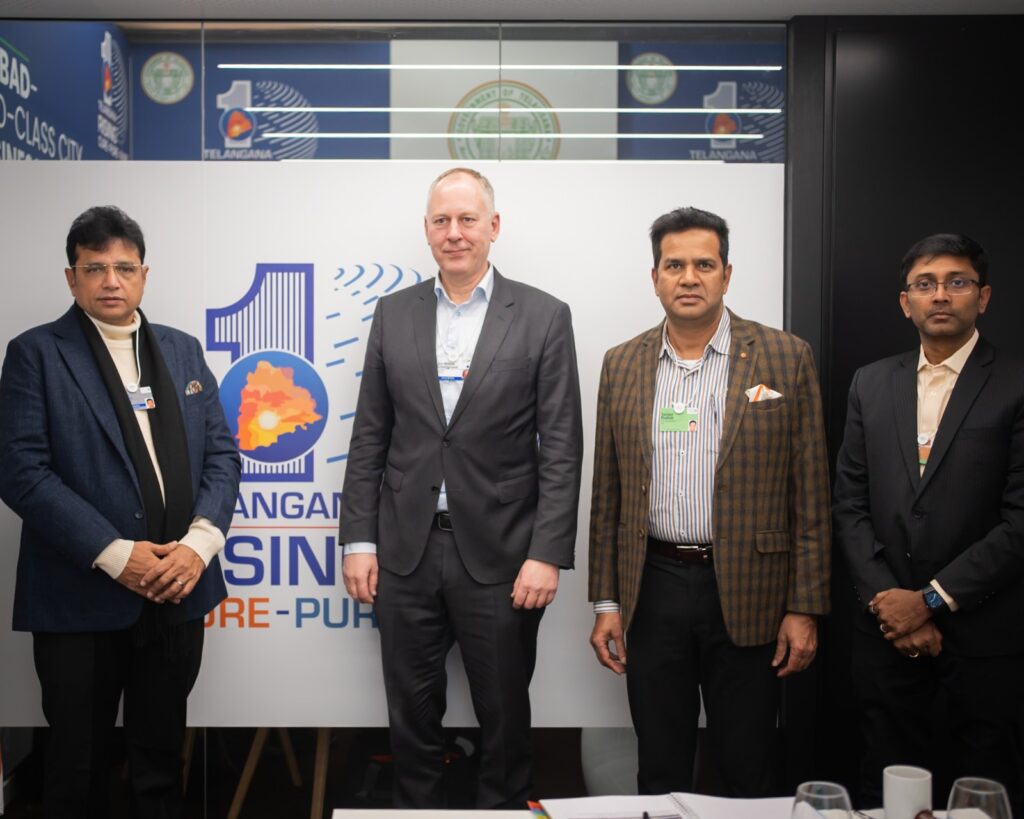
The delegation spoke about the “Telangana Next-Gen Life Sciences Policy 2026-2030”, the target of building a $250 billion life sciences economy by 2030, and the ecosystems the State already has – whether it is Genome Valley, or the Medical Devices and Medical Electronics Park. When Philips says it is impressed by Telangana’s AI-led disruption in healthcare, it doesn’t sound like a mere compliment meant for the room. It sounds like a door opening.
Guarded innovation in the age of chatbots
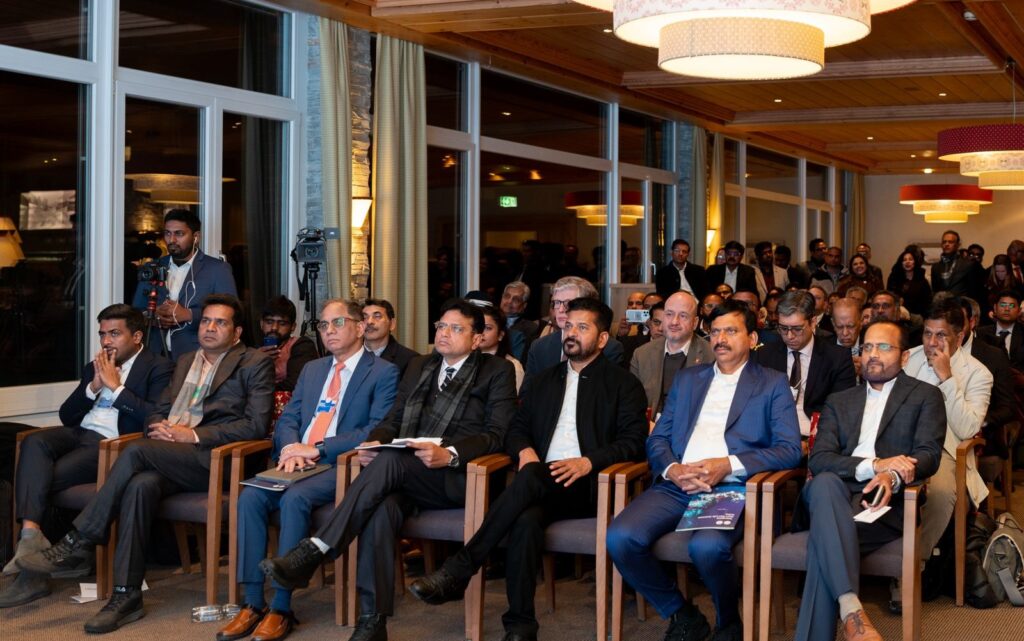
And then there was Israel.
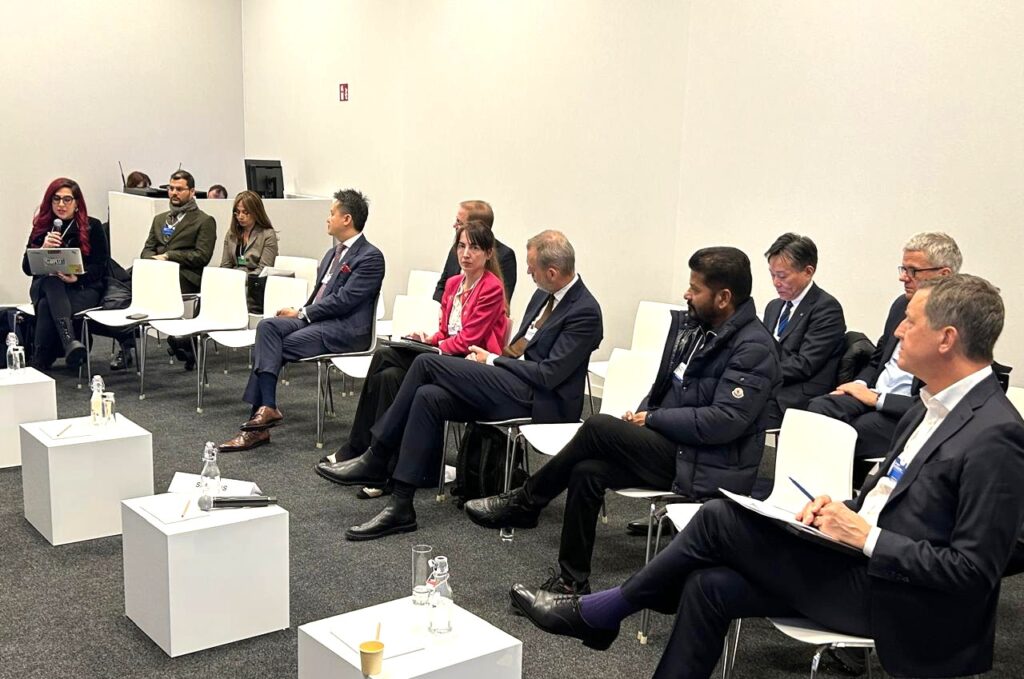
At Davos, Telangana held a high-impact meeting with Alon Stopel, Chairman of the Israel Innovation Authority, discussing collaborations across agriculture, climate change solutions, and startup innovation. The partnership aims to support Telangana startups in AI and deeptech, spanning healthtech, agritech, cybersecurity, and aerospace – with pilot programmes, including multiple AI-led pilots, planned to take innovation into real-world testing, which suggest the State is trying to build pathways to the future.
In fact, Telangana is even taking its AI ambitions to the global stage: the planned launch of the Telangana AI Innovation Hub (TAIH) at WEF 2026, showcased as a “Global AI Proving Ground”, comes with a difficult question – how does one create guardrails without slowing innovation, especially as the world moves from chatbots to autonomous agents?
Where Davos sells the future, Telangana tried to build one
Davos loves big words. And big numbers! But Telangana’s much-loved Davos story, at its best, is beyond those. It is about a State trying to grow faster and govern smarter. It is about making AI a crucial part of everything – from agriculture and healthcare to city streets and urban pollution. It’s also about global companies such as Google, Unilever, Philips, and others seeing enough substance in that effort to lean in and listen.
In a place where everyone is selling the future, Telangana is doing something slightly different.
It is trying to build one.